A Blind Guide Dog User's Hope for a More Inclusive Singapore
Guide Dogs Singapore looks to change perspectives while fostering compassion for the visually impaired.
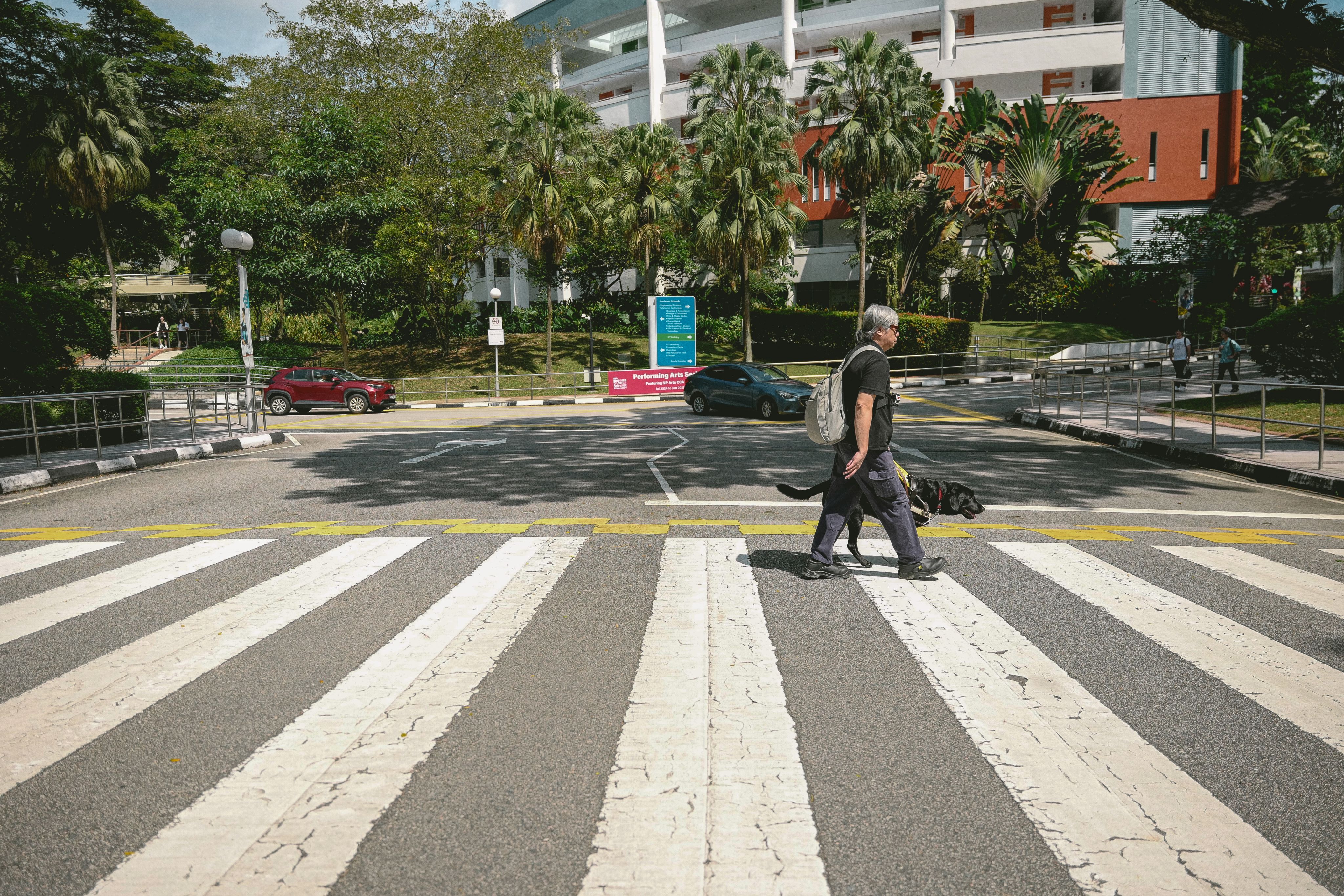

Rush hour at any given Mass Rapid Transit (MRT) interchange in Singapore is a curious waltz swirling with throngs of commuters, many intently poring over their smartphones. The occasional jostle is unavoidable. Yet, with his guide dog’s lead, blind 64-year-old Gary Lim wends his way through the mid-morning crush without a hitch. But this isn’t always the case.
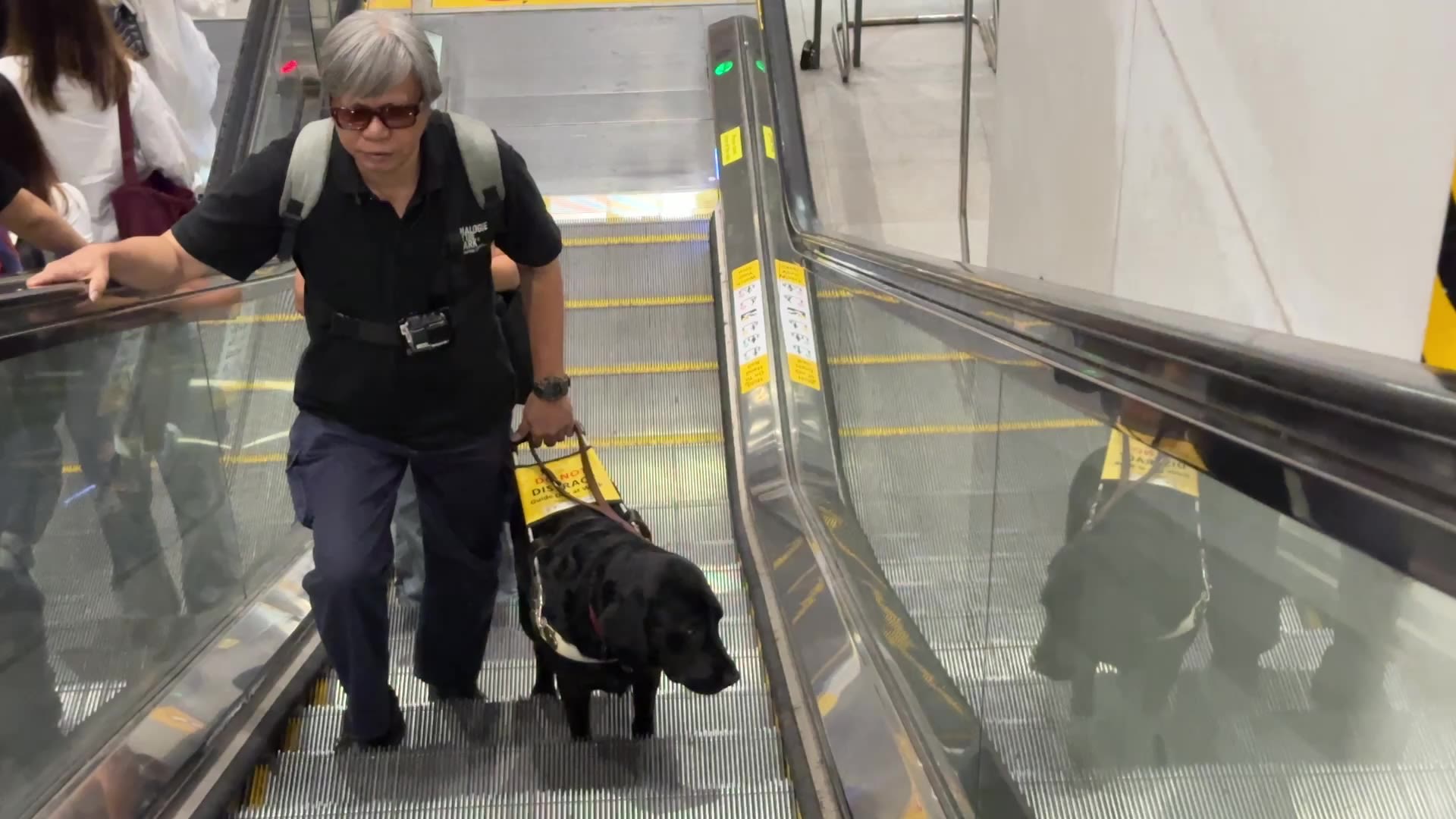

Several weeks back, the senior was sharply berated by a lady into whom he’d accidentally bumped while boarding the train. “I said, ‘Sorry, I’m a blind man,’ to which she replied, ‘So? You should still tell me (before walking into me)!’,” he recounts. She continued her rant throughout the ride, despite him disengaging from the argument.
Such encounters, according to Gary, are nothing out of the ordinary for him. While he takes them in his stride, they can understandably be upsetting.
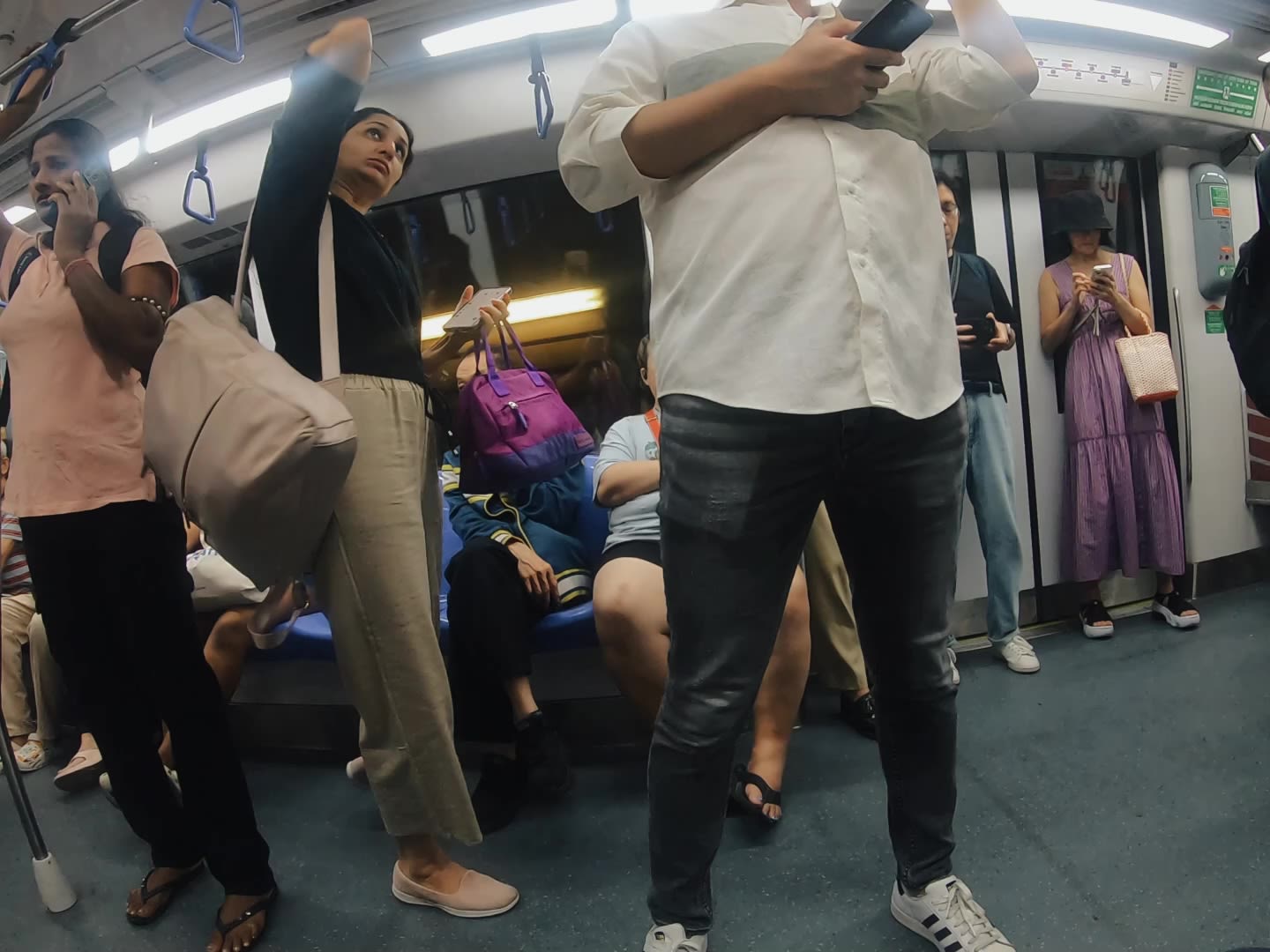


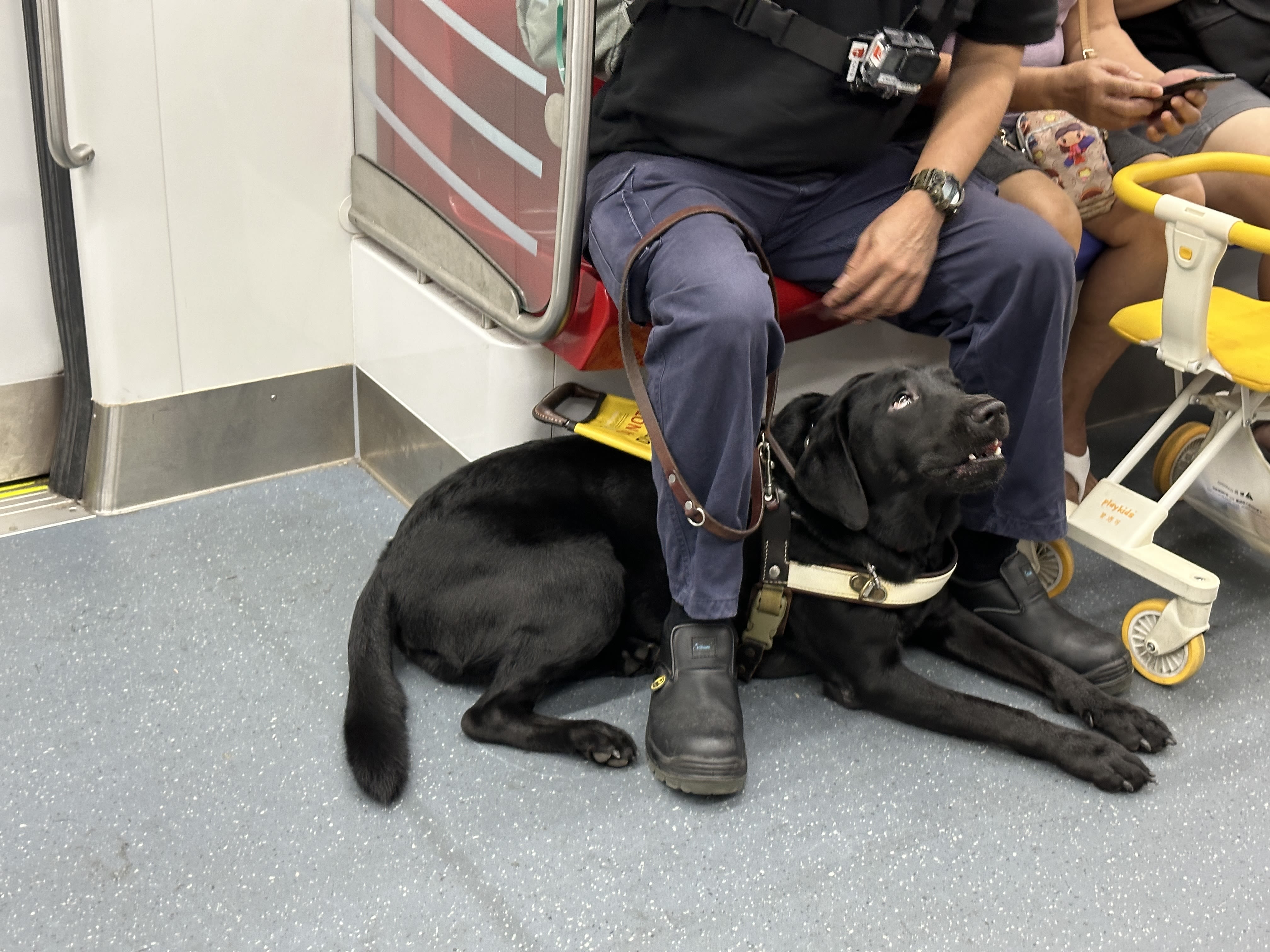
One thing remains constant throughout these ordeals — the grounding presence of his black Labrador Matt, a whiskered, snuffling beacon that helps him navigate both physical and social barriers.
He didn’t always have to contend with those challenges, though, as someone who was born sighted.

A former residential technical officer in construction, Gary oversaw the development of mega projects such as innovation hub Fusionopolis. It paid the bills, but he derived more satisfaction from sports, participating in triathlons and notching trophies in local squash tournaments. An avid tinkerer, he’d helped family and friends work out their computer hardware kinks in his spare time, as well as doubled up as the resident handyman at home.

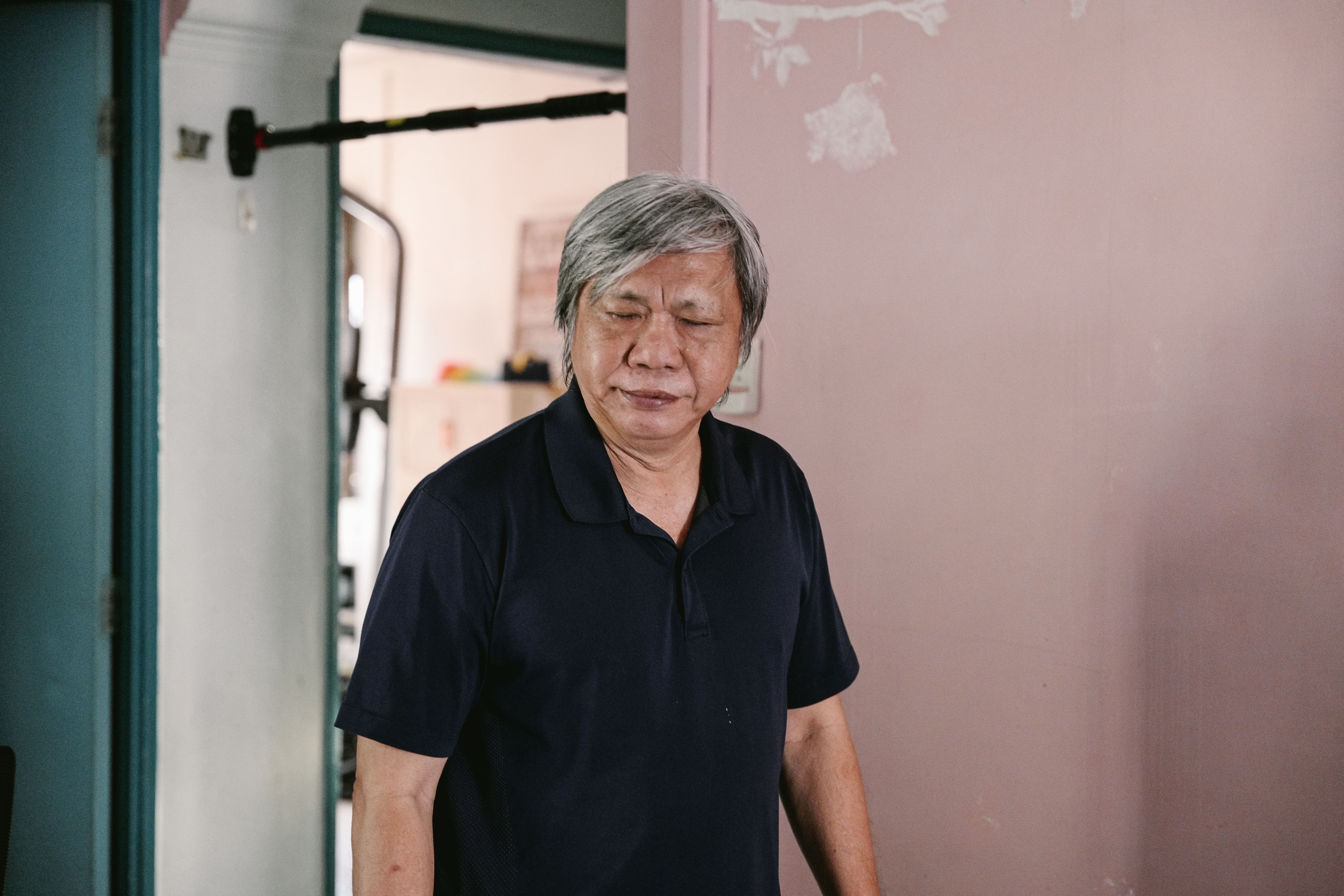
Gary Lim lost his vision to glaucoma in 2016.
Gary Lim lost his vision to glaucoma in 2016.
He discovered that his sight was deteriorating from the age of 31, when a failed marksmanship test while serving his National Service reservist duties prompted him to visit an ophthalmologist. He was diagnosed with glaucoma, and — despite multiple surgeries to alleviate his condition — became fully blind in 2016.
It was a gradual dwindling of sight, which unsurprisingly, caused him significant frustration. “I couldn’t drive, so I had to relearn to take public transport to work, which was a struggle,” recalls the father of two grown sons. His loved ones bore the brunt of his angst.
“Who would like a father behaving like a mad man? The screaming, shouting and throwing of things takes a lot out of the family,” he muses.
A religious man, Gary sought solace in spirituality, which he credits for arresting his downward emotional spiral.
“I couldn’t continue hurting my family. Beyond losing my sight, I was losing my mind and was going to lose my family.”
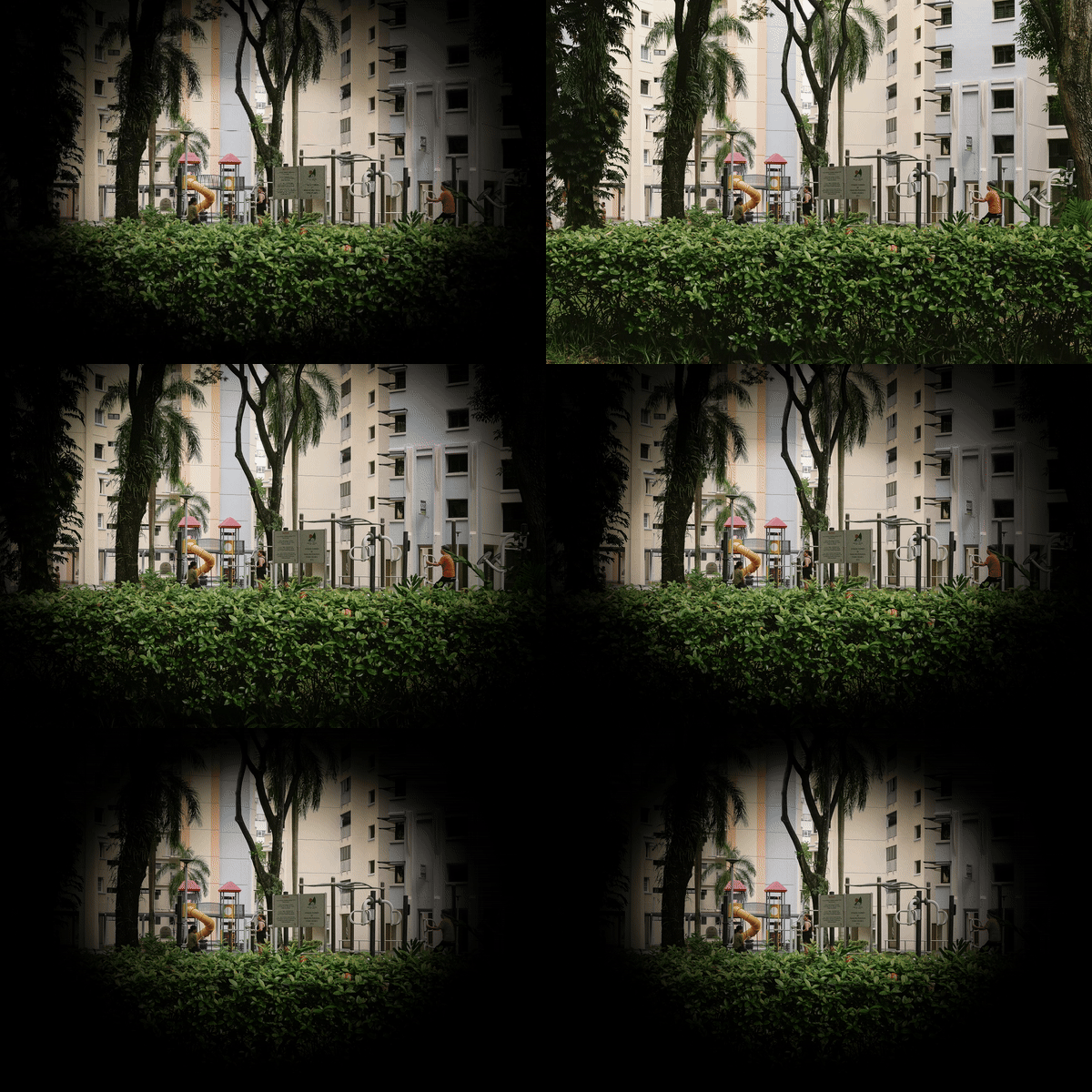
Glaucoma causes a loss in peripheral vision, and can lead to blindness.

Fortuitously, he was referred to social service organisation Guide Dogs Singapore (GDS), to equip him with skills to navigate his physical environment with greater ease. Through its Orientation and Mobility programme, he learnt mental mapping skills to travel safely and independently using a white cane.
With his lowest point in the rearview mirror, Gary applied for a guide dog under GDS to boost his mobility and confidence. The dog lover, who previously reared canine pets, was subsequently paired with his first guide dog in 2015.
Independence for the Visually Impaired

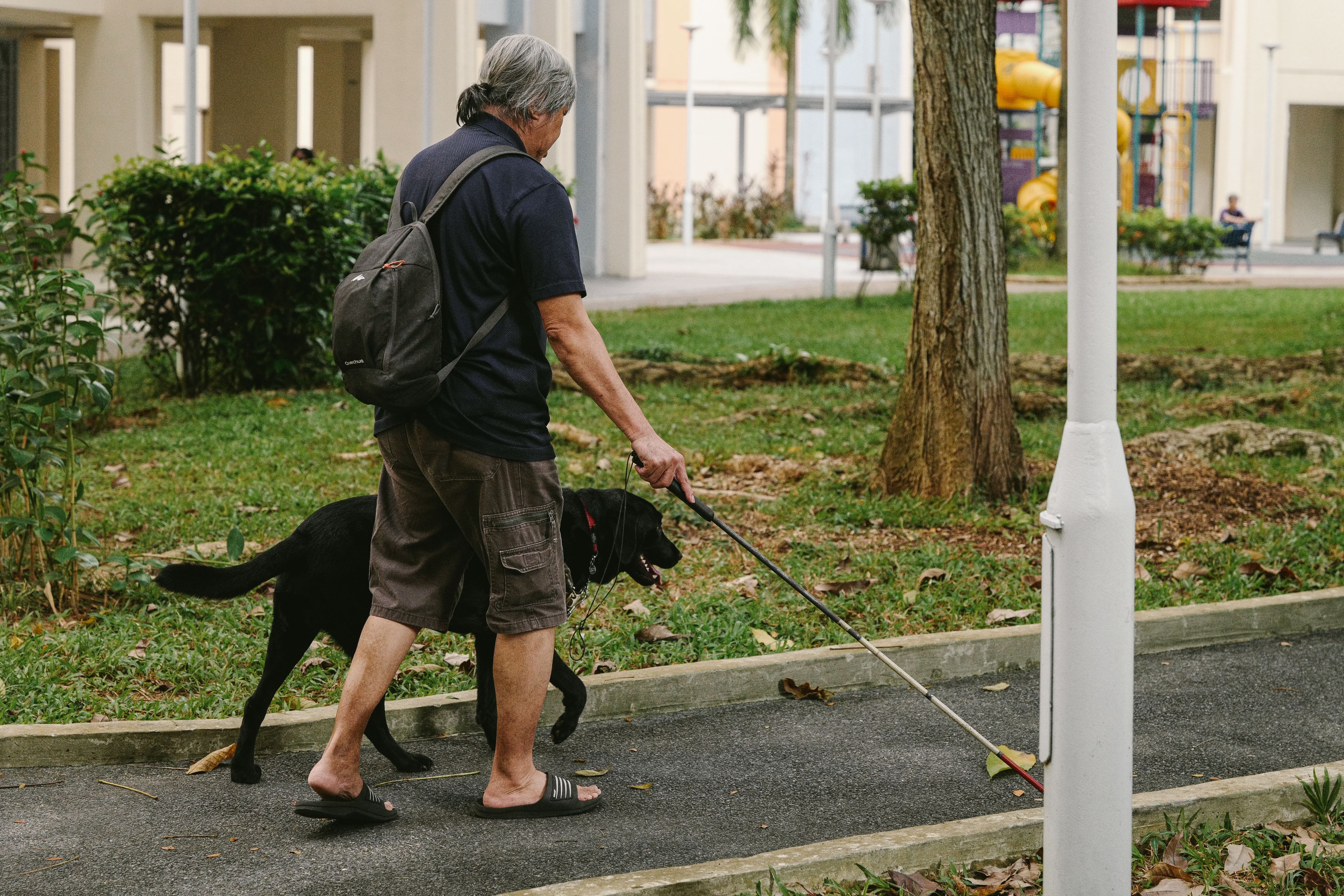
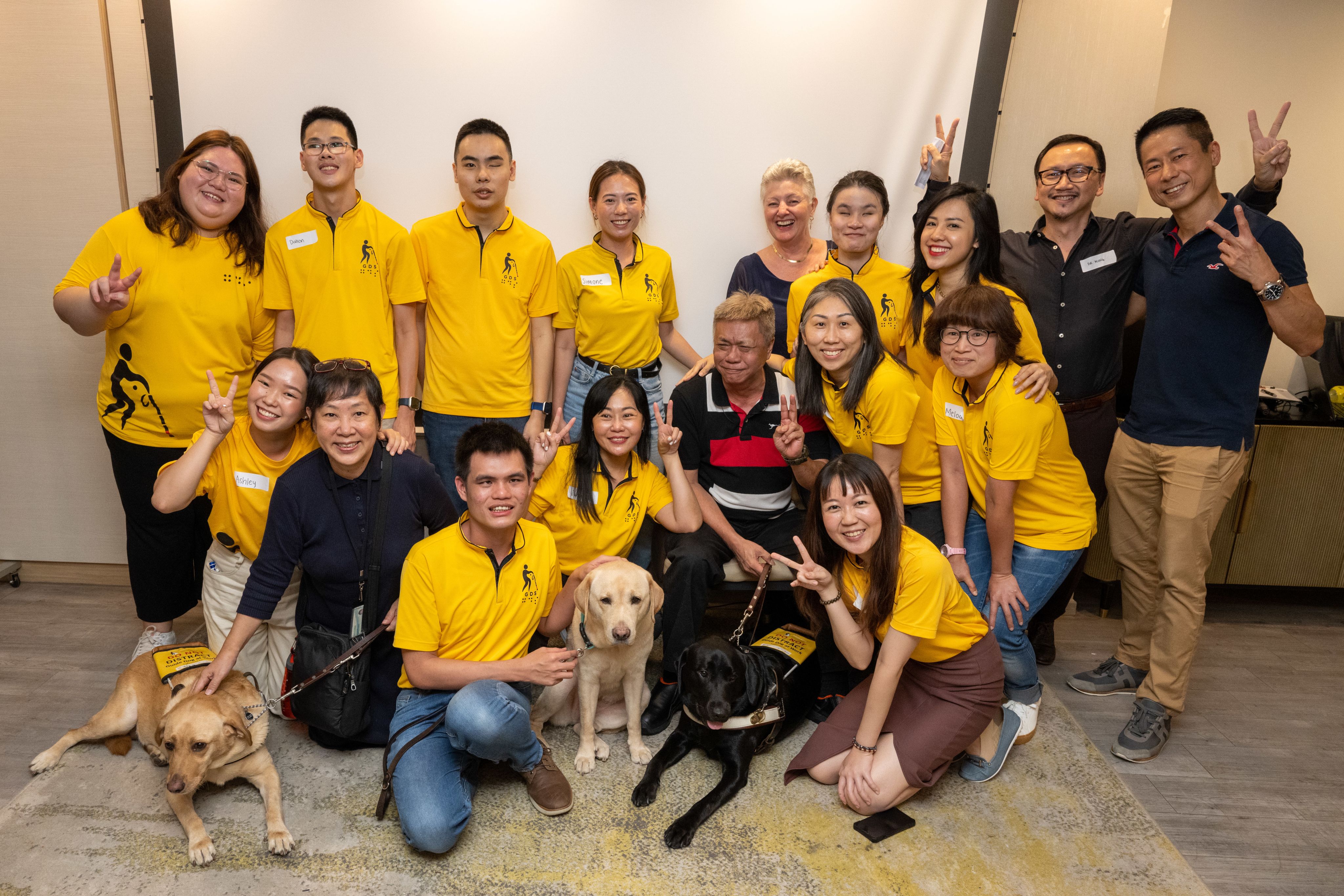
Gary is among 13 guide dog teams matched by GDS — based on factors such as temperament and lifestyle compatibility — since its inception in 2006.
The non-profit organisation was started to enhance the quality of life and independence for Singapore’s vision-impaired community through its raft of tailored services, including training to use assistive adaptive technologies as well as teaching techniques to manage daily tasks. Its clients cut across various strata of age and socio-economic status.
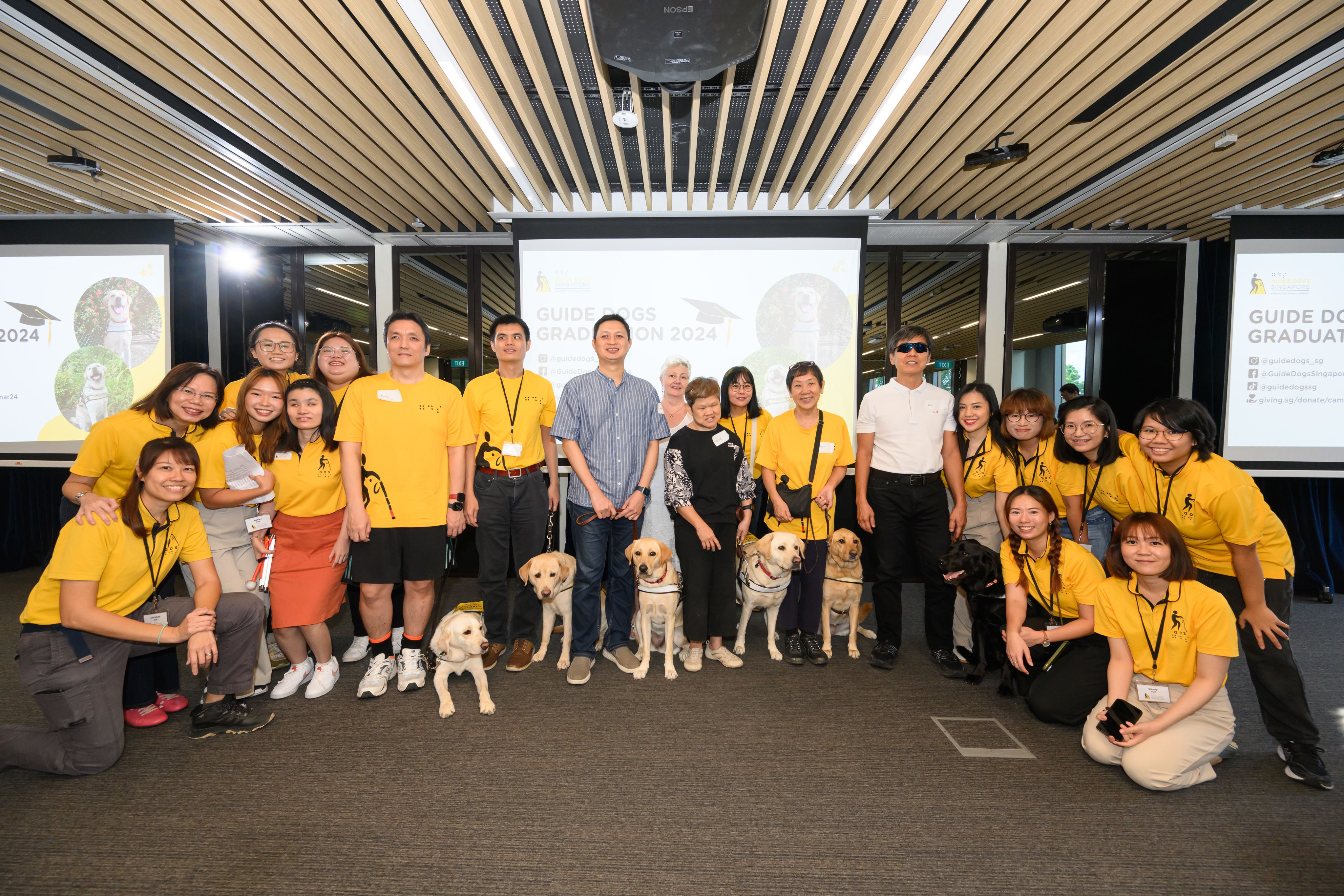
Guide dog teams that have graduated from Guide Dogs Singapore's programme.
Guide dog teams that have graduated from Guide Dogs Singapore's programme.

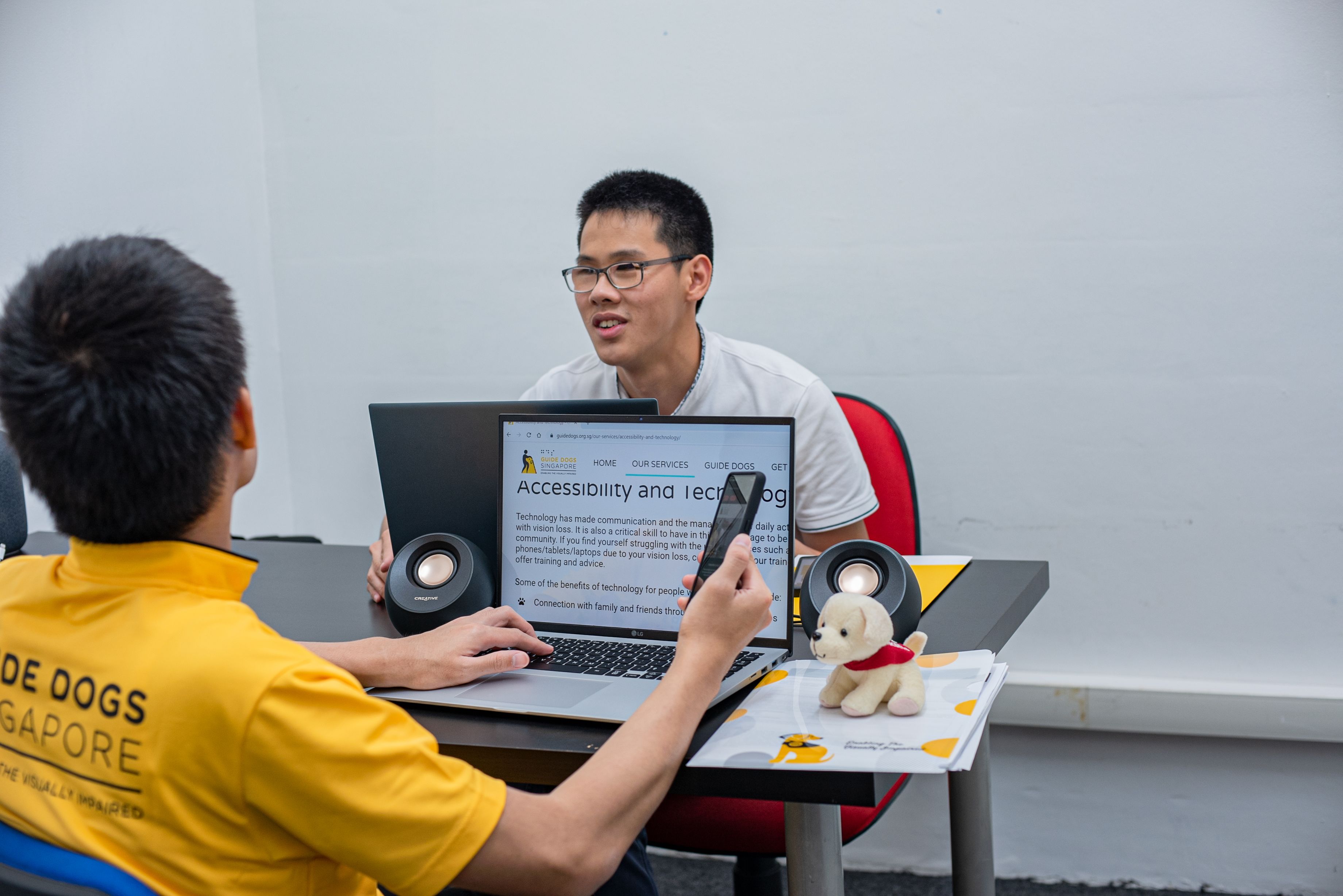
Guide Dogs Singapore offers courses that familiarise the visually impaired with assistive adaptive technologies.
Guide Dogs Singapore offers courses that familiarise the visually impaired with assistive adaptive technologies.
GDS’ general manager, Vanessa Loh, suggests that the local disabled community may be less self-sufficient in comparison to countries where extended nuclear families aren’t as prevalent. “There’s a dependence on family members which may stem from our Asian culture that values caring for kin,” she reasons.
Yet, greater autonomy is central to Singapore’s Enabling Masterplan 2030, which strives to empower persons with disabilities to live fulfilling lives as integral members of society. This socially inclusive blueprint by the Ministry of Social and Family Development was created by, for, and with persons with disabilities and their caregivers. Its strategies, which run the gamut from healthcare to transport accessibility, are a roadmap for heightened inclusivity.
For many, independence can be conflated with dignity. “Just sitting at home waiting for people to be available to help isn’t how one should live, right? That’s merely existence,” asserts Vanessa.
Importantly, the hope is that ordinary Singaporeans can rally around a collective effort to topple intangible barriers that hinder persons with disabilities from living their fullest lives.


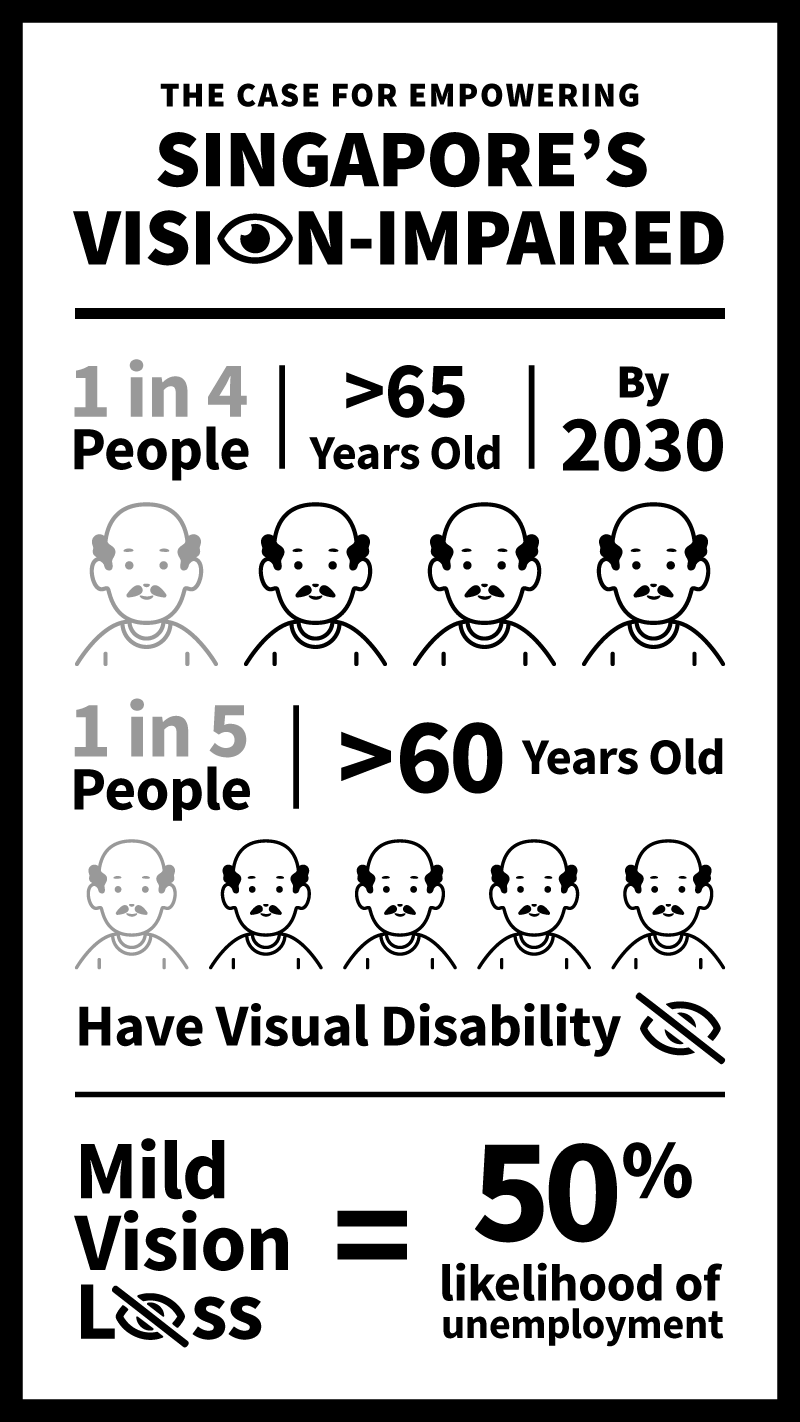
Singapore's ageing population signals a growing vision-impaired community, for which it seeks greater independence.
Singapore's ageing population signals a growing vision-impaired community, for which it seeks greater independence.
“Just sitting at home waiting for people to be available to help isn’t how one should live, right? That’s merely existence.”

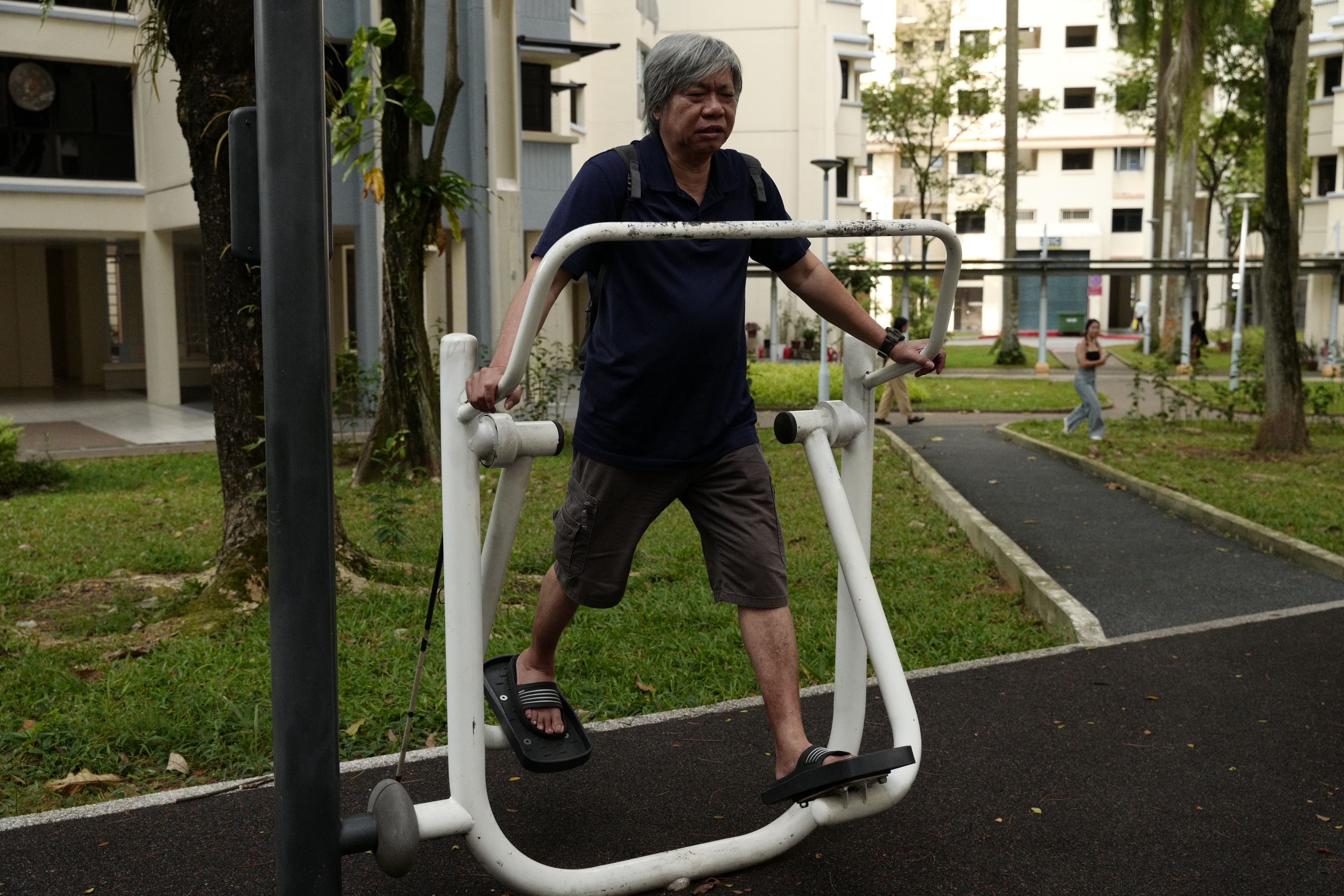
Languishing at home certainly isn’t for Gary, who cherishes his autonomy, thanks in part to his four-legged companion. While some vision-impaired friends of his require assistance for tasks such as using the restroom, the active senior is able to perform daily 2.4km jogs and visits to the neighbourhood coffee shop independently.
Navigating the Challenges

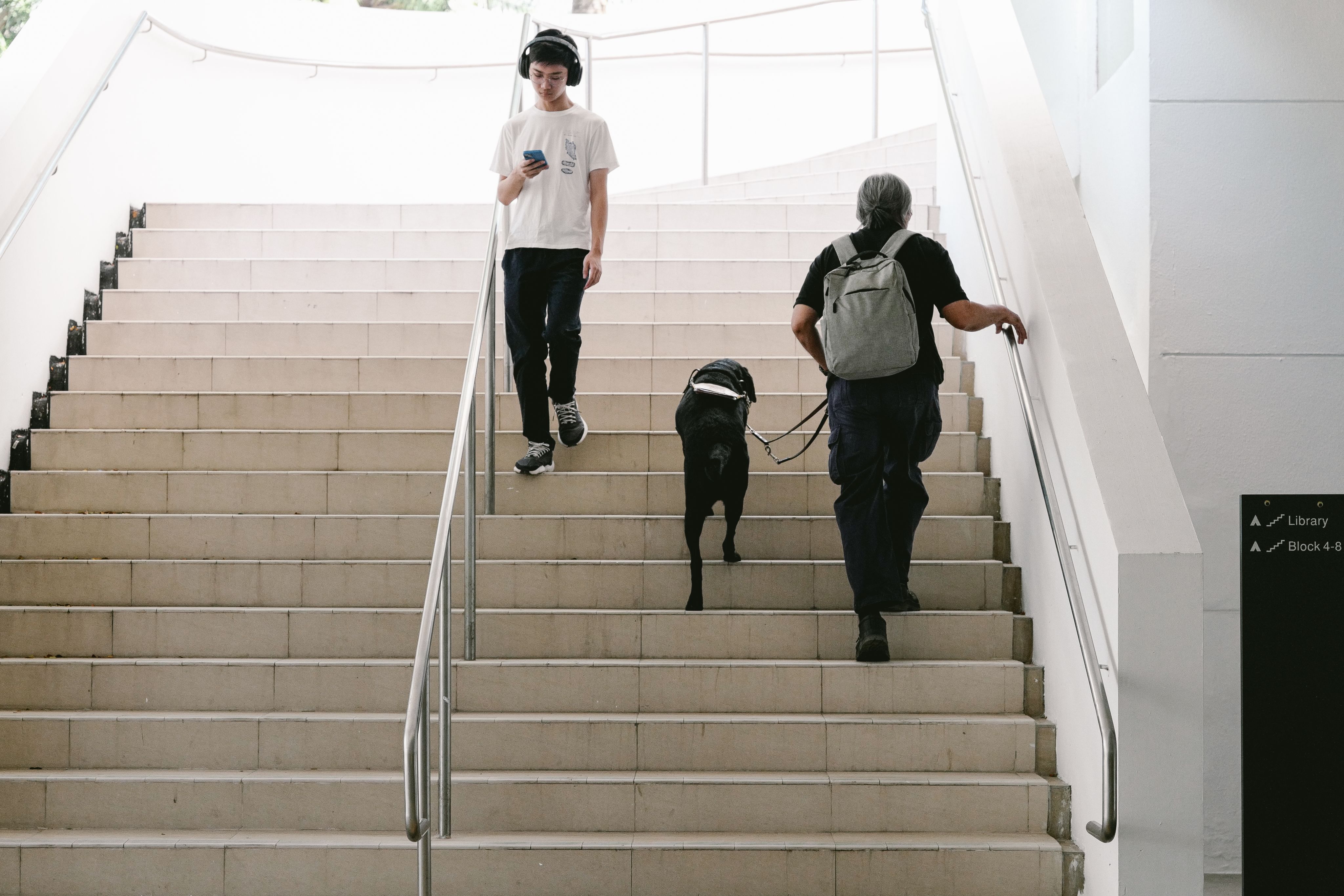
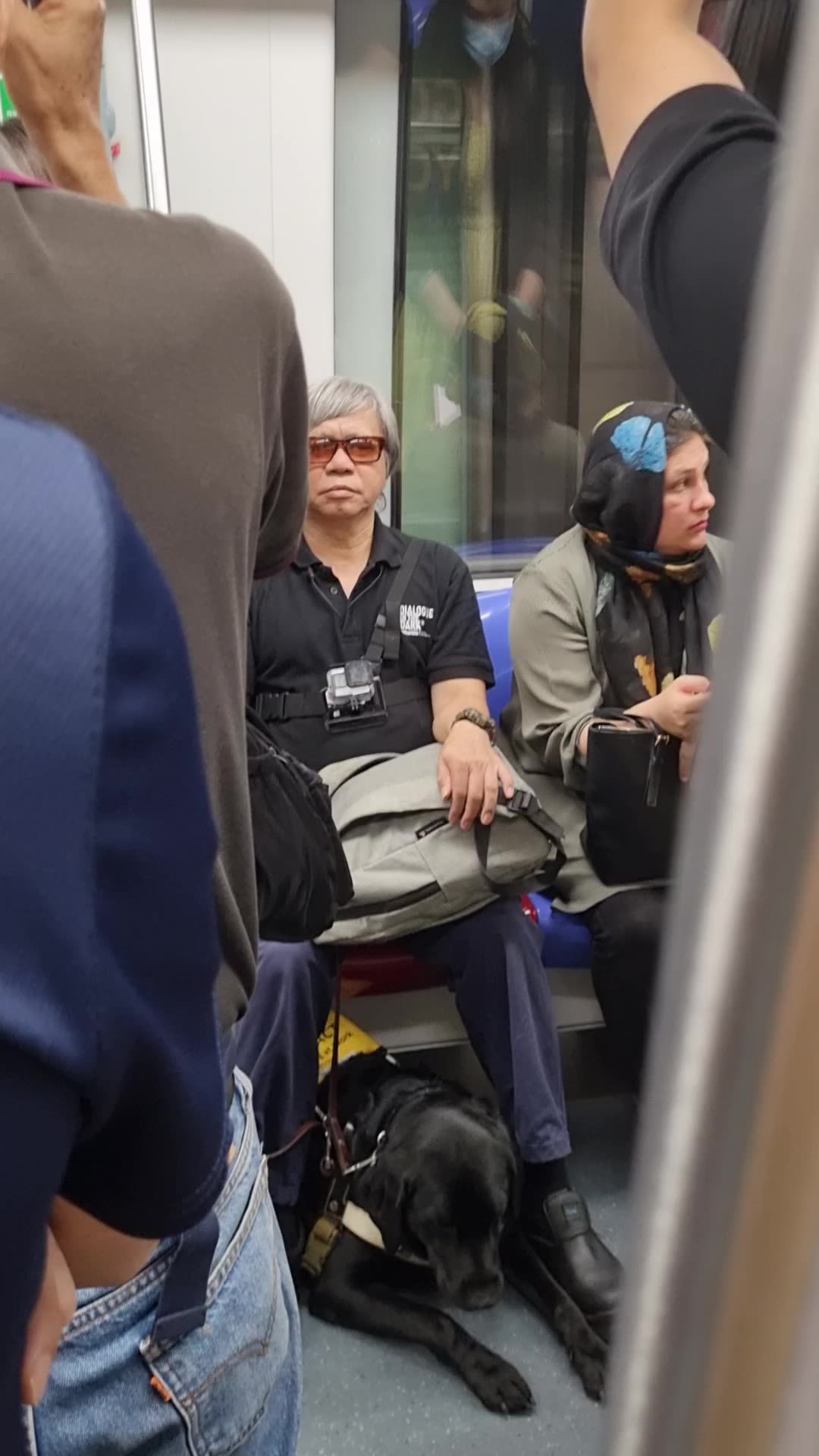
In a train packed shoulder-to-shoulder with passengers, Gary settles into an empty seat with a stoic expression and Matt tucked behind his legs. The pair draws some curious gawks, while others make space for them. Singapore has laws in place that allow guide dogs in public spaces such as trains and shopping malls, which — over the years — have been fitted with more accessibility features for the disabled.

While there have been numerous positive advances in terms of infrastructure and laws that help the visually impaired to navigate their surroundings with greater ease, more can be done to improve the social landscape. For instance, while there are legal provisions to accommodate guide dogs in public spaces, resistance still exists.
Gary has endured successive ride booking cancellations while travelling with Matt. He and his family have been turned away from restaurants, which led them to cultivate the habit of making phone calls to eateries before their visits. But even so, rejections still occur.
“The rejections really spoil the mood for family outings,” reflects Gary.
He isn’t alone. Access for guide dog users was cast into the spotlight in 2023, in the wake of a high-profile dispute between visually-impaired Paralympian Sophie Soon and a local cafe that refused entry to her guide dog.
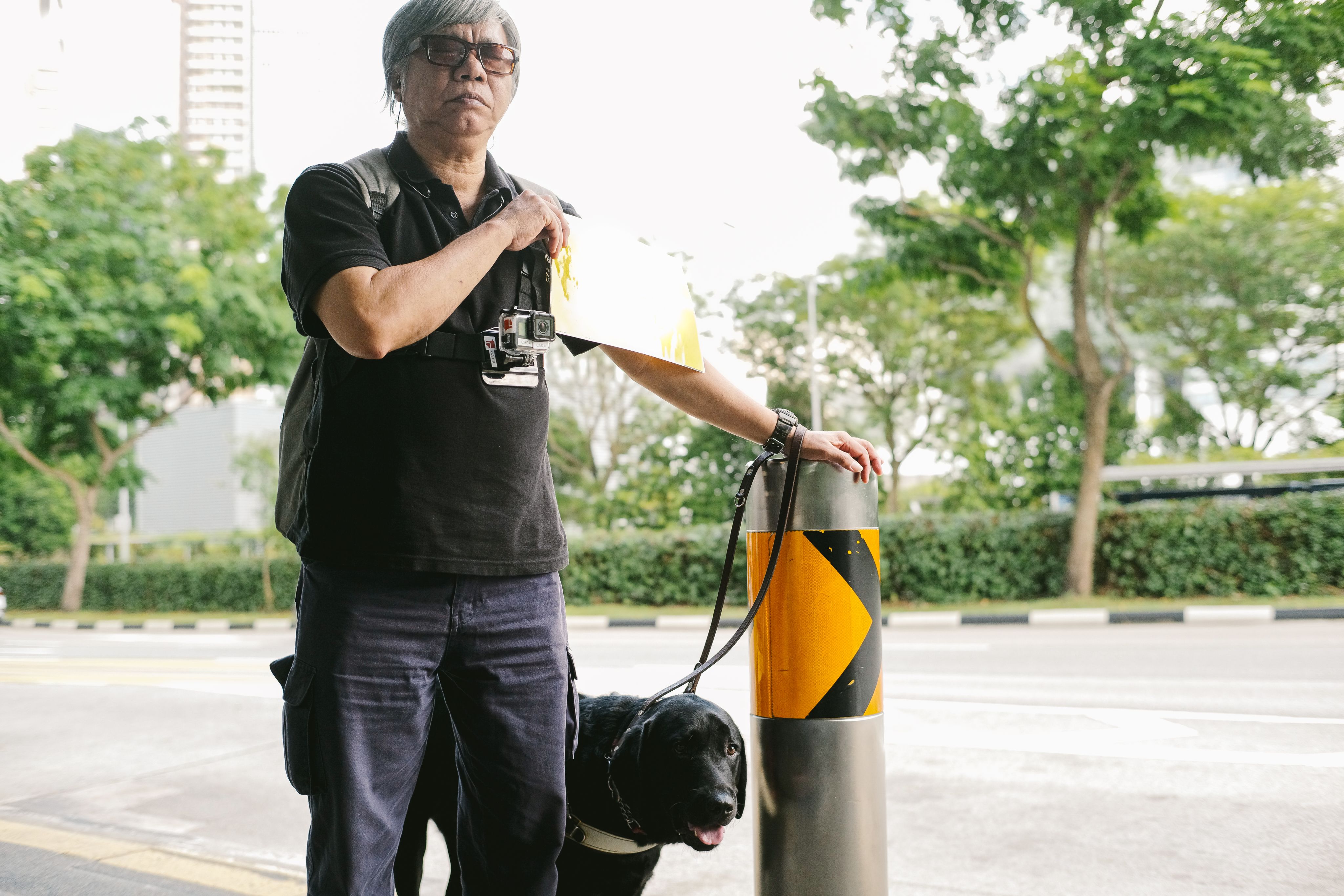
Gary Lim signals a public bus on his regular commute.
Gary Lim signals a public bus on his regular commute.
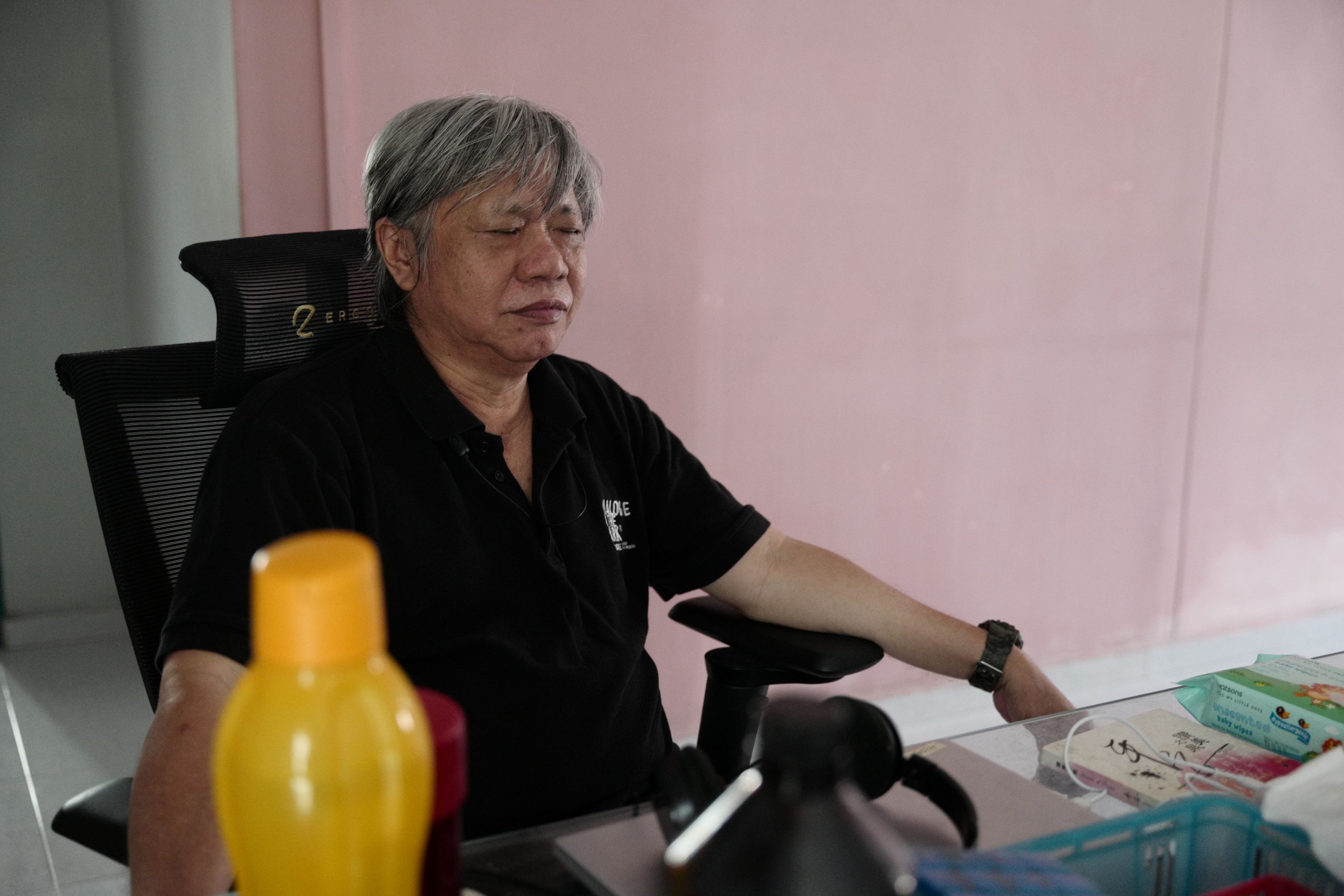
Gary Lim hopes for a more accommodating society for the visually impaired.
Gary Lim hopes for a more accommodating society for the visually impaired.
GDS’ Vanessa sees these difficult moments as opportunities to raise awareness of the issue, which in turn, helps to shift public perception.
On its part, GDS helps to promote acceptance of the service animals by conducting outreach campaigns for the likes of public transport providers, and referring flagged eateries to educational materials plus the Singapore Food Agency’s advisory on guide dogs. “We recognise that restaurant owners are busy people, so they may overlook that clause. But as much as we can educate them, it’s really up to them entirely to welcome the guide dog teams as there’s no penalty for failure to do so,” says Vanessa. She adds that awareness building is an ongoing process.
Then, there are other slights which — while subtle — can undermine Gary’s sense of dignity. For instance, doctors have directed their questions to his wife instead of conversing directly with him.
While those aren’t necessarily daily occurrences, they underscore the need for more conversations around inclusivity.

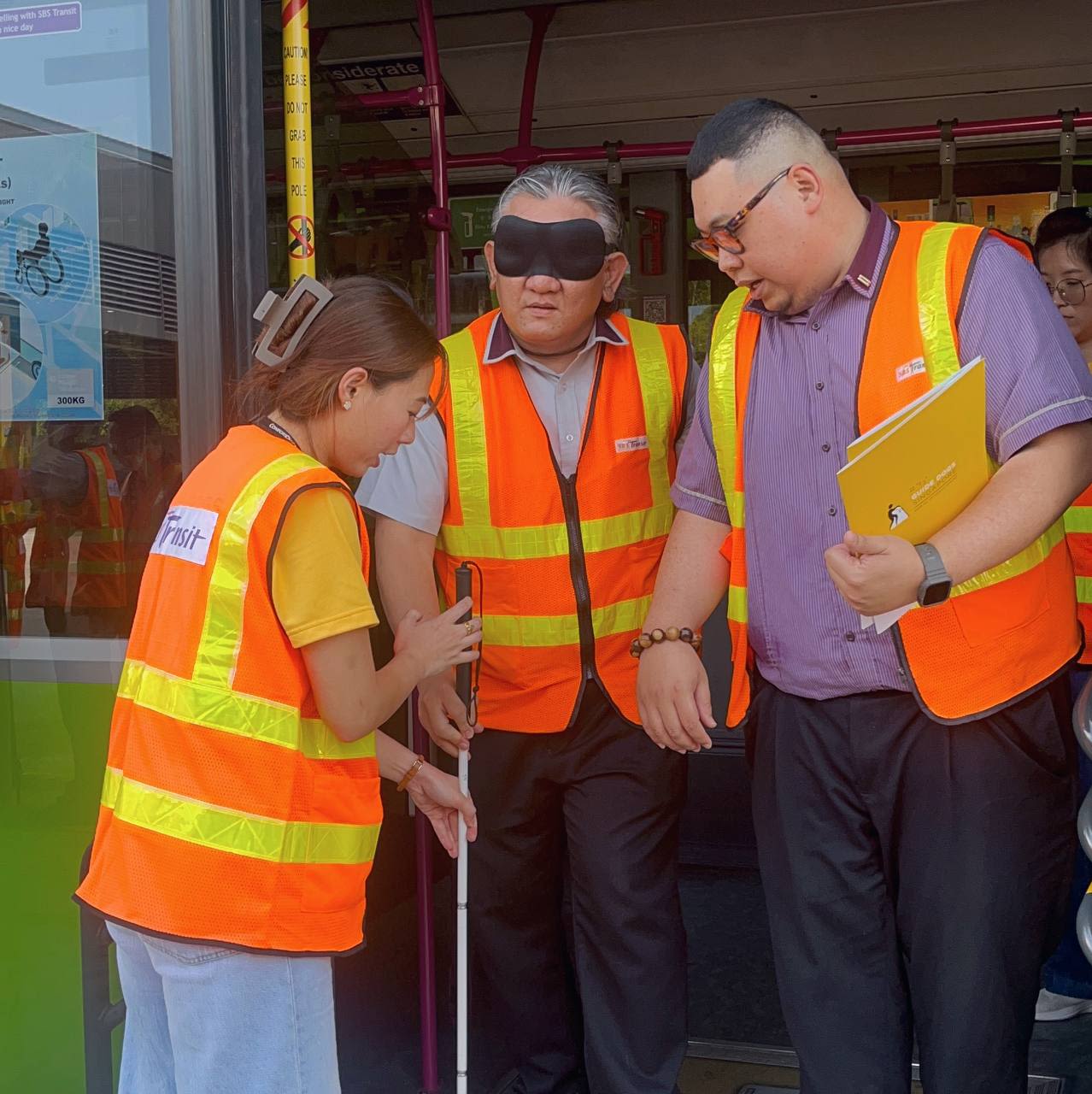
Guide Dogs Singapore conducts outreach programmes to inculcate empathy among public transport providers in Singapore.
Guide Dogs Singapore conducts outreach programmes to inculcate empathy among public transport providers in Singapore.
Encouragingly though, both have noted a growing receptiveness towards guide dogs. But more than anything, Gary hopes for graciousness and flexibility extended to the visually impaired — regardless of individual awareness. “I’ve met F&B staff who’ve told me nicely that pets aren’t allowed on the premises. After explaining that I have a guide dog, they checked with their management and apologised,” he shares. Such interactions, he says, are a step in the right direction towards inclusivity.
While Gary seeks greater inclusivity and understanding toward people with disabilities, Matt helps him surmount both physical and emotional challenges. “The dog is so adorable and lovely. It becomes a constant companion who loves you,” he says.
Matt is constantly on standby — even off-harness at home — and often intuits his needs before he issues commands. Ever the pragmatist, he reasons that “When you can do things seamlessly, of course your emotions become seamless.”

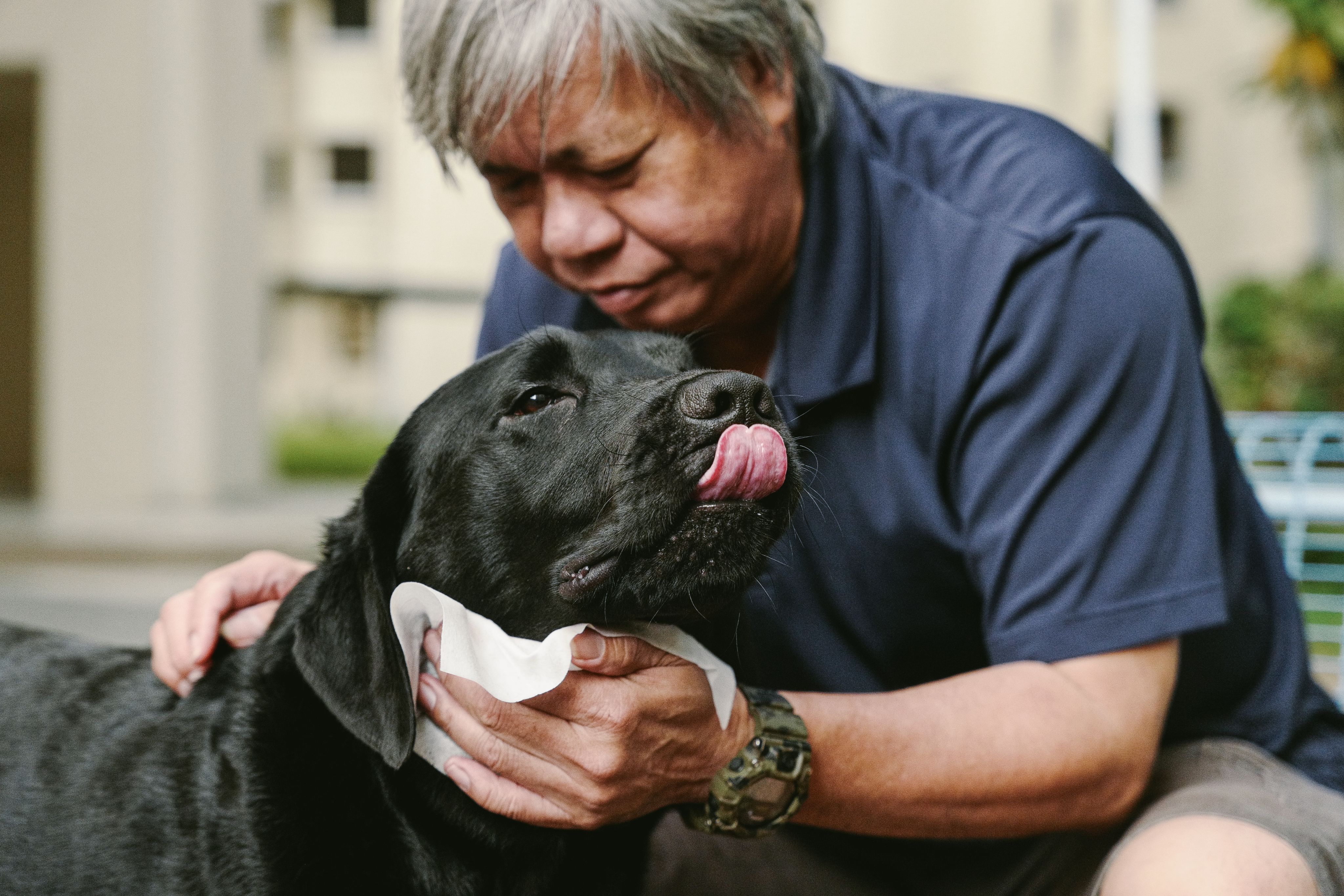

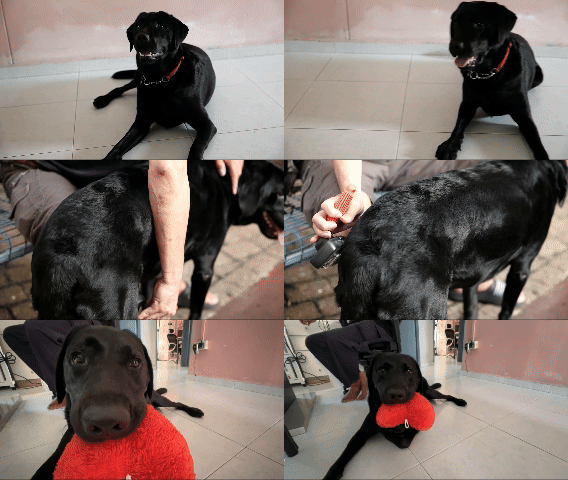
They were acquainted in 2023, after Gary’s first guide dog, Jordie, passed away. It left the grieving family bereft. Gary expresses regret for “taking him for granted,” and compensates by showering Matt with affection.


Working Towards a More Gracious Society

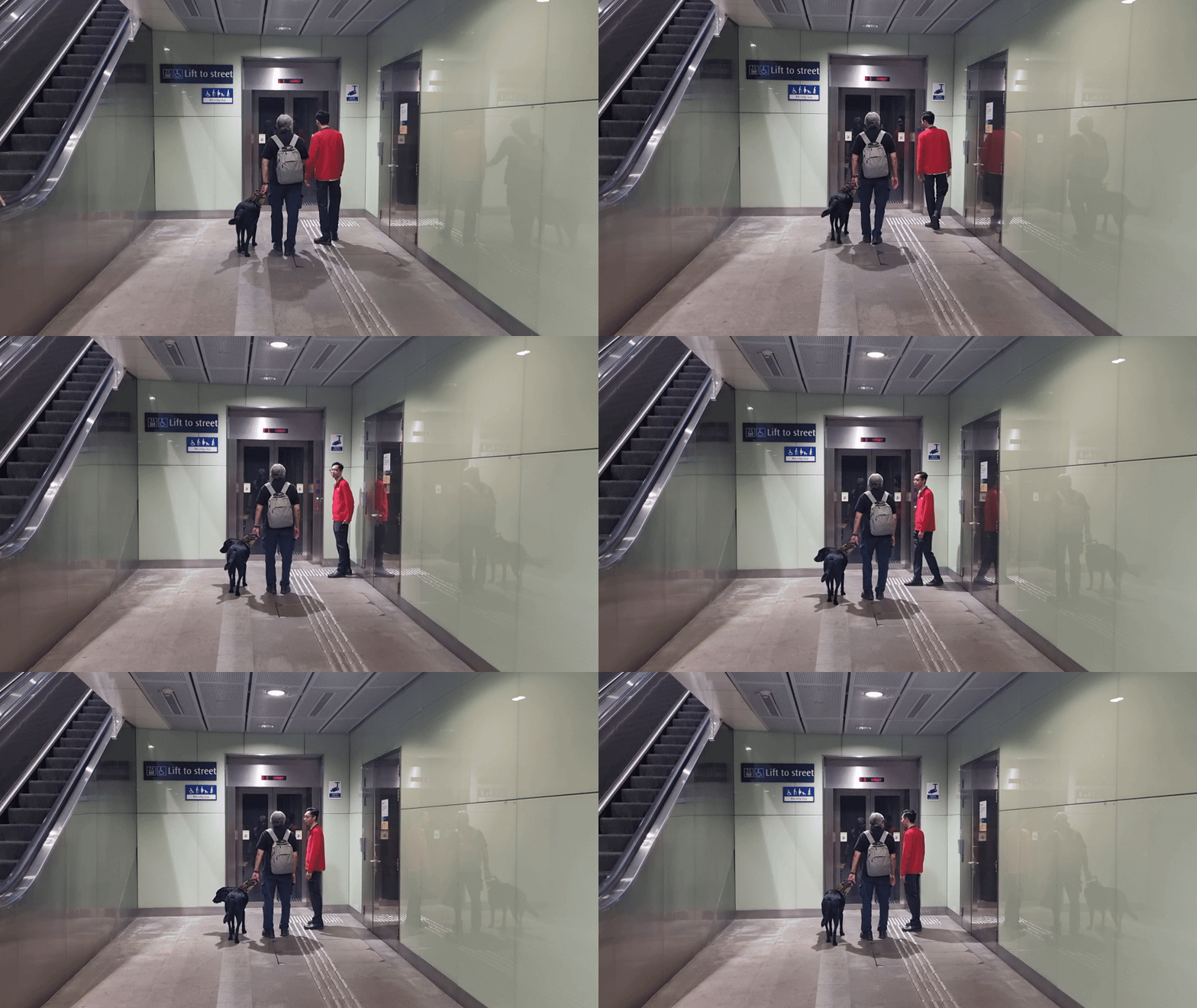

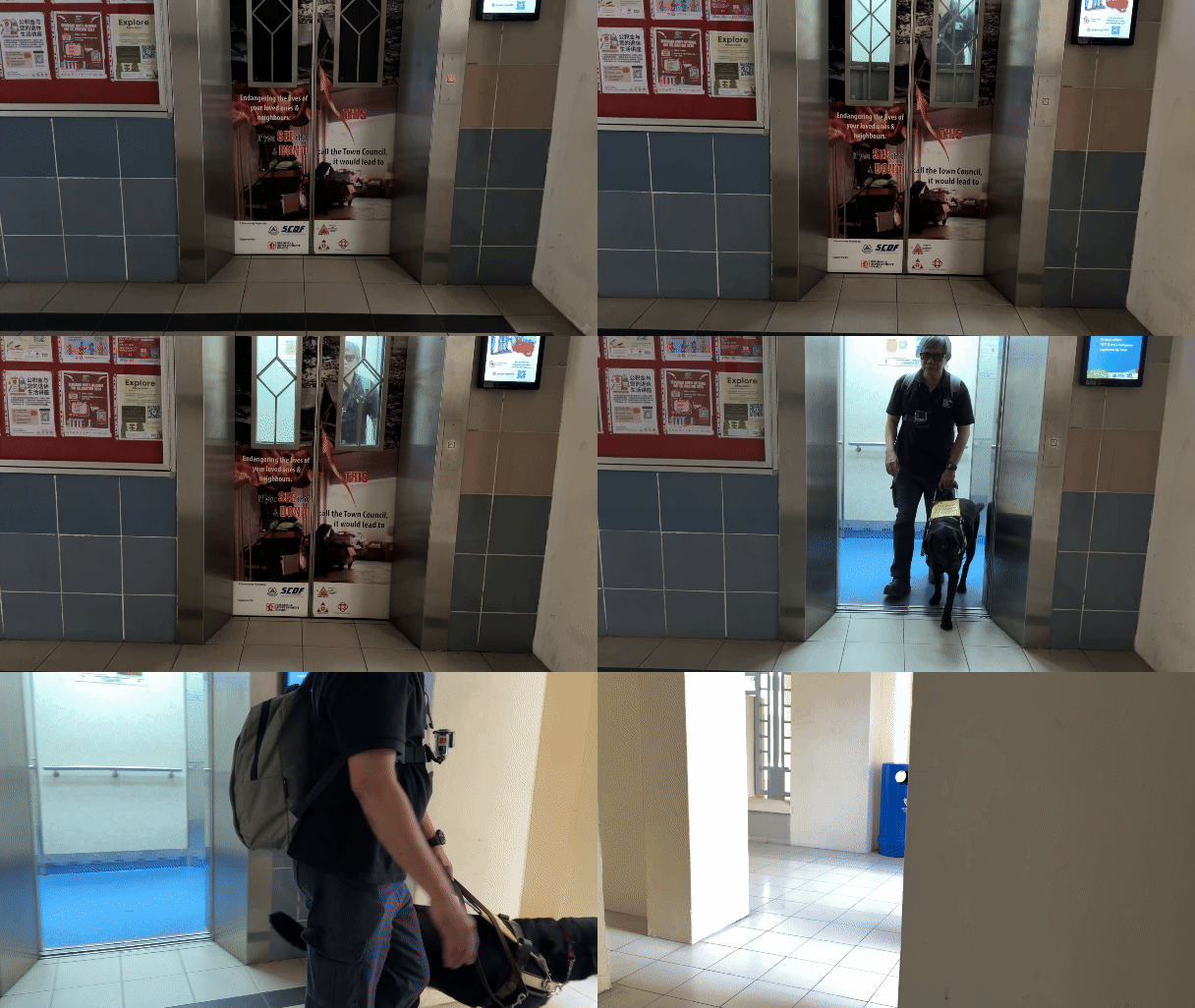
Gary and Matt have his daily routine down pat, including his circuitous work route adopted for easier navigation. An ambassador at the MRT station leads him to the bus stop where he makes his final connection to work. He swaps pleasantries with the bus captain with the familiarity of old pals. Such encounters serve as a counterpoint to the unpleasant experiences, and highlight Singaporeans’ sense of empathy and compassion.
Force of habit aside, it’s evident that Guide Dogs Singapore’s outreach efforts targeting public transport providers are paying off.

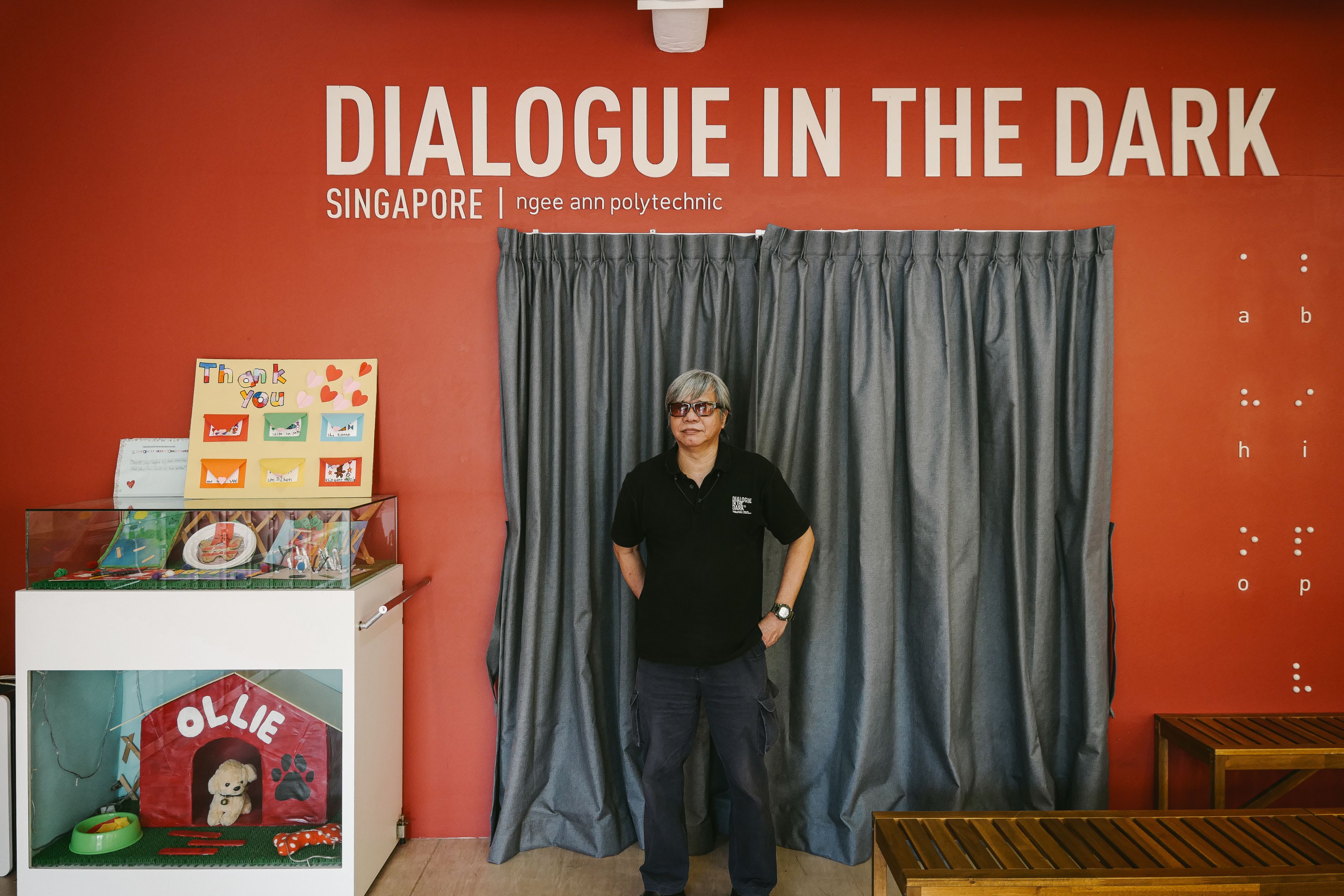

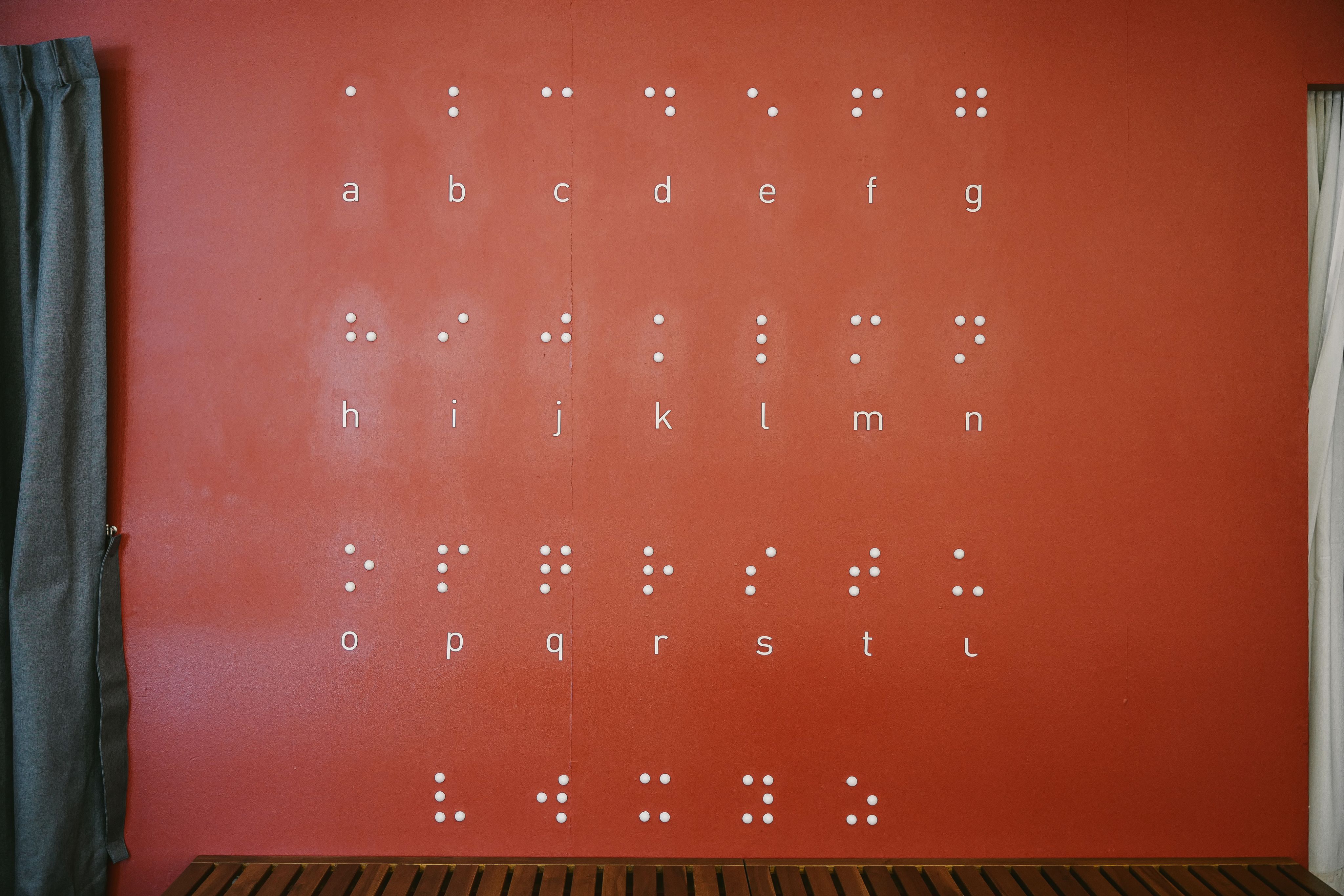
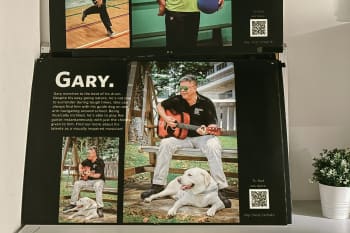
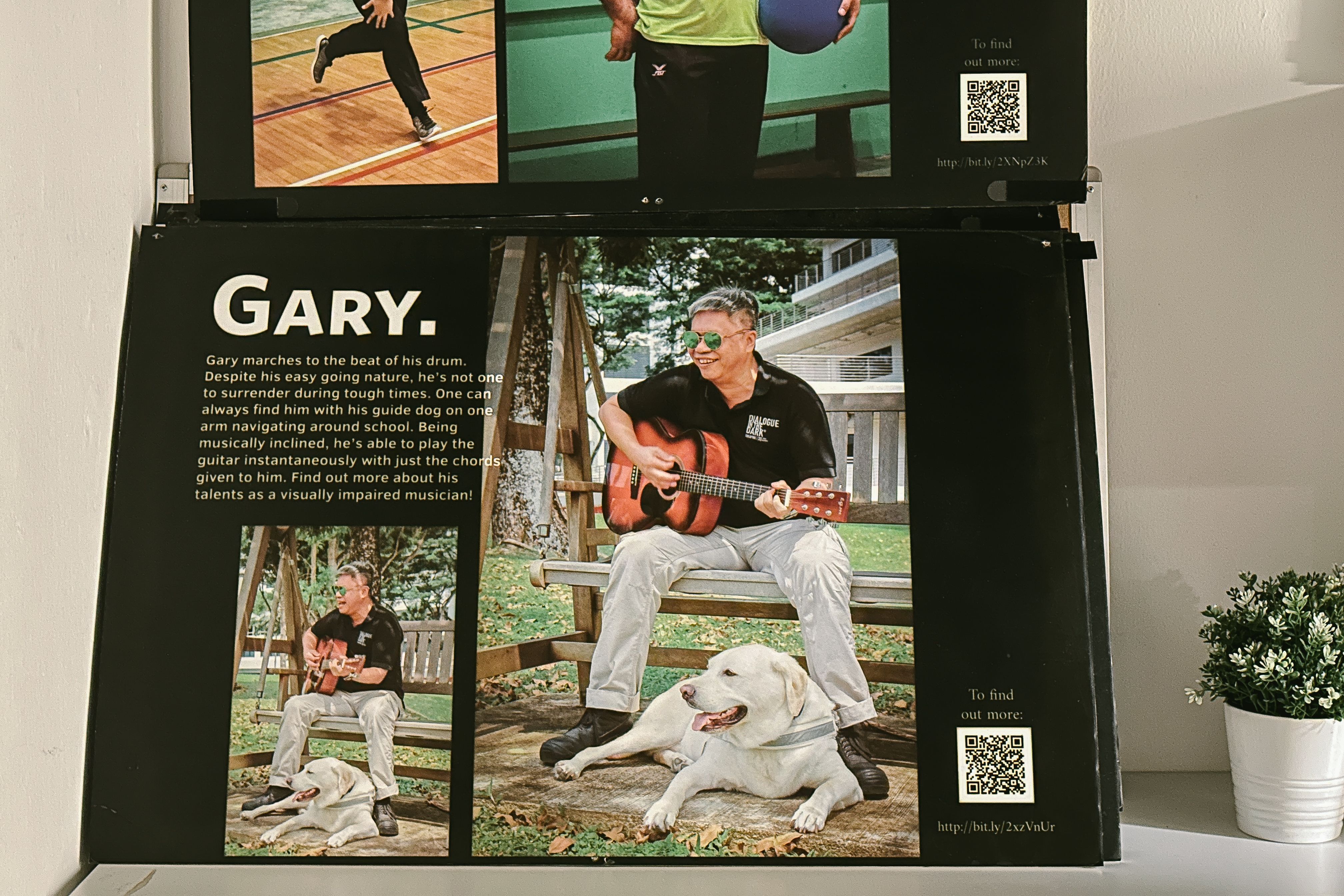
As a facilitator at experiential learning centre Dialogue in the Dark, where he’s been employed for the past 10 years, Gary works to further move the dial in fostering empathy for the visually-impaired. Here, in pitch-darkness, he leads group tours designed to shed insight into visual impairment.
Slicing the burble of excited giggles filling the darkness, Gary resonantly instructs his charges — a gaggle of students — to be silent and tune in to the ambient noises piped through speakers. “Concentrate on the sounds of nature that you wouldn’t usually notice.”
It’s easy to observe that he’s in his element here, toggling between assertive directives and humorous banter, while revealing how he negotiates daily challenges as a blind man.
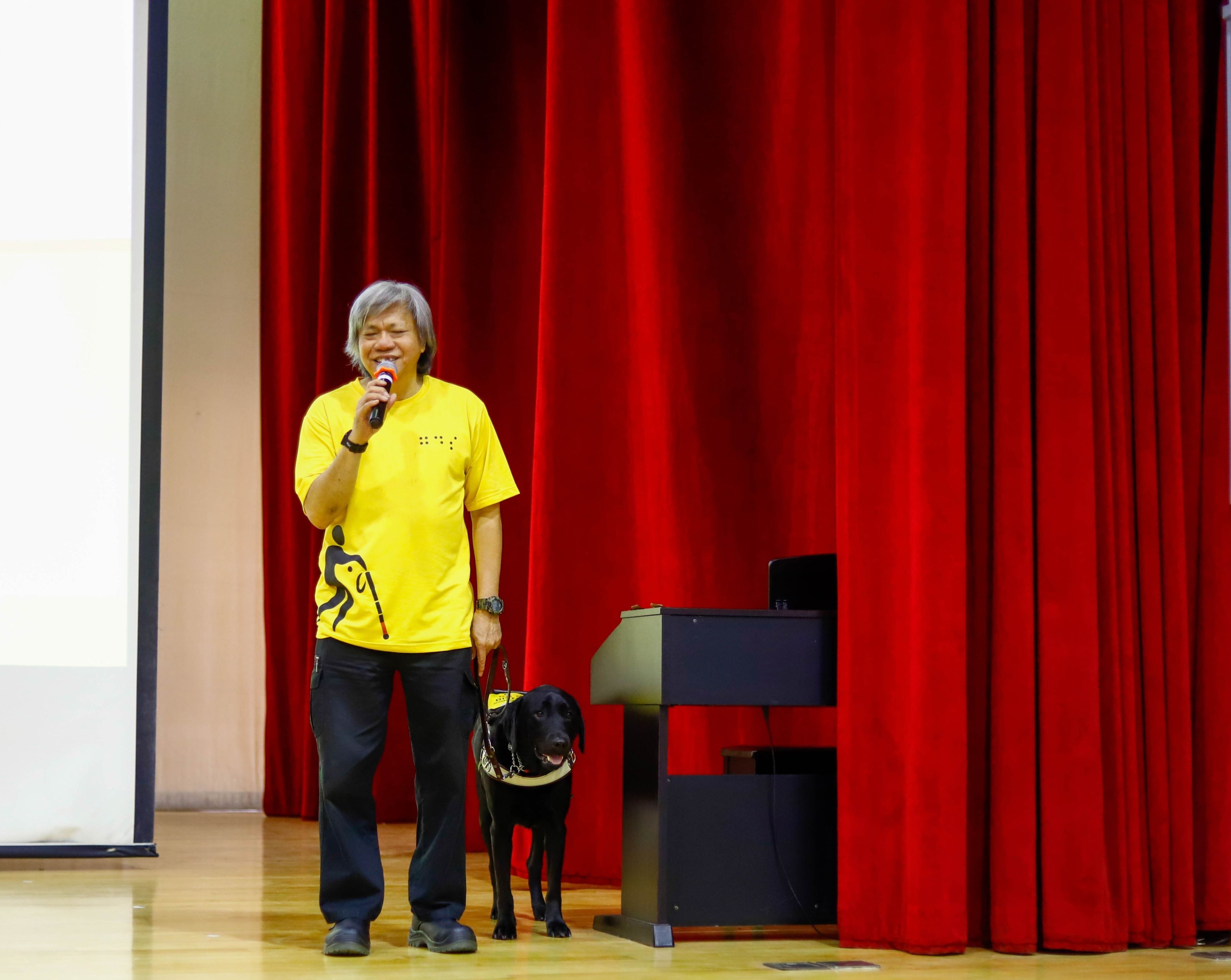
Beyond his workplace, Gary serves as a mouthpiece for the visually-impaired by fronting GDS outreach talks for companies and schools. He finds the engagements fulfilling, a means to bridging deeper understanding for his community.
Initiatives like these, along with Singaporeans’ growing desire to forge stronger community bonds, have played a key role in shaping a kinder and more inclusive environment for people with disabilities.

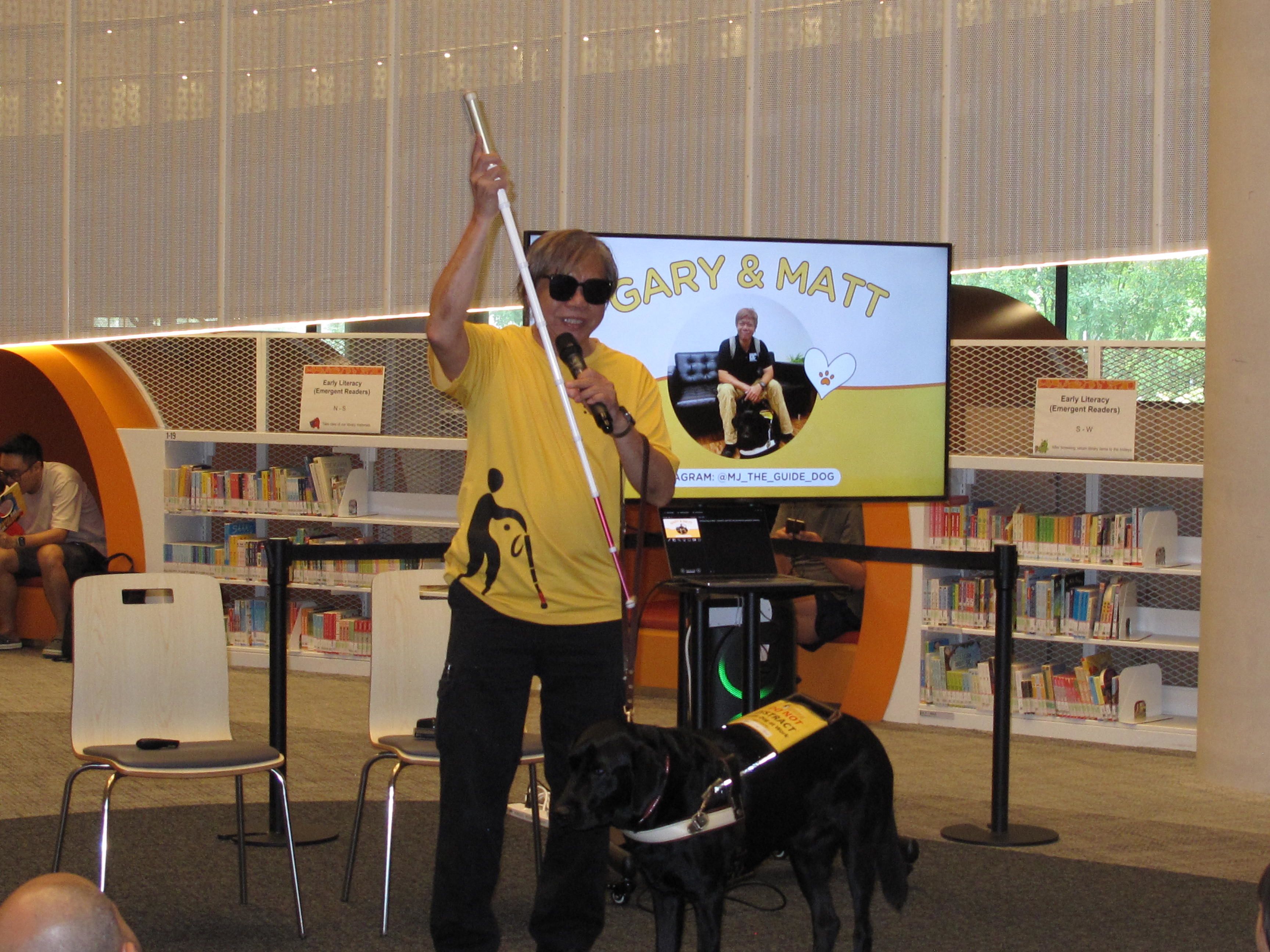
Gary Lim helps to spread awareness of guide dog users and their needs by giving public talks.
Gary Lim helps to spread awareness of guide dog users and their needs by giving public talks.

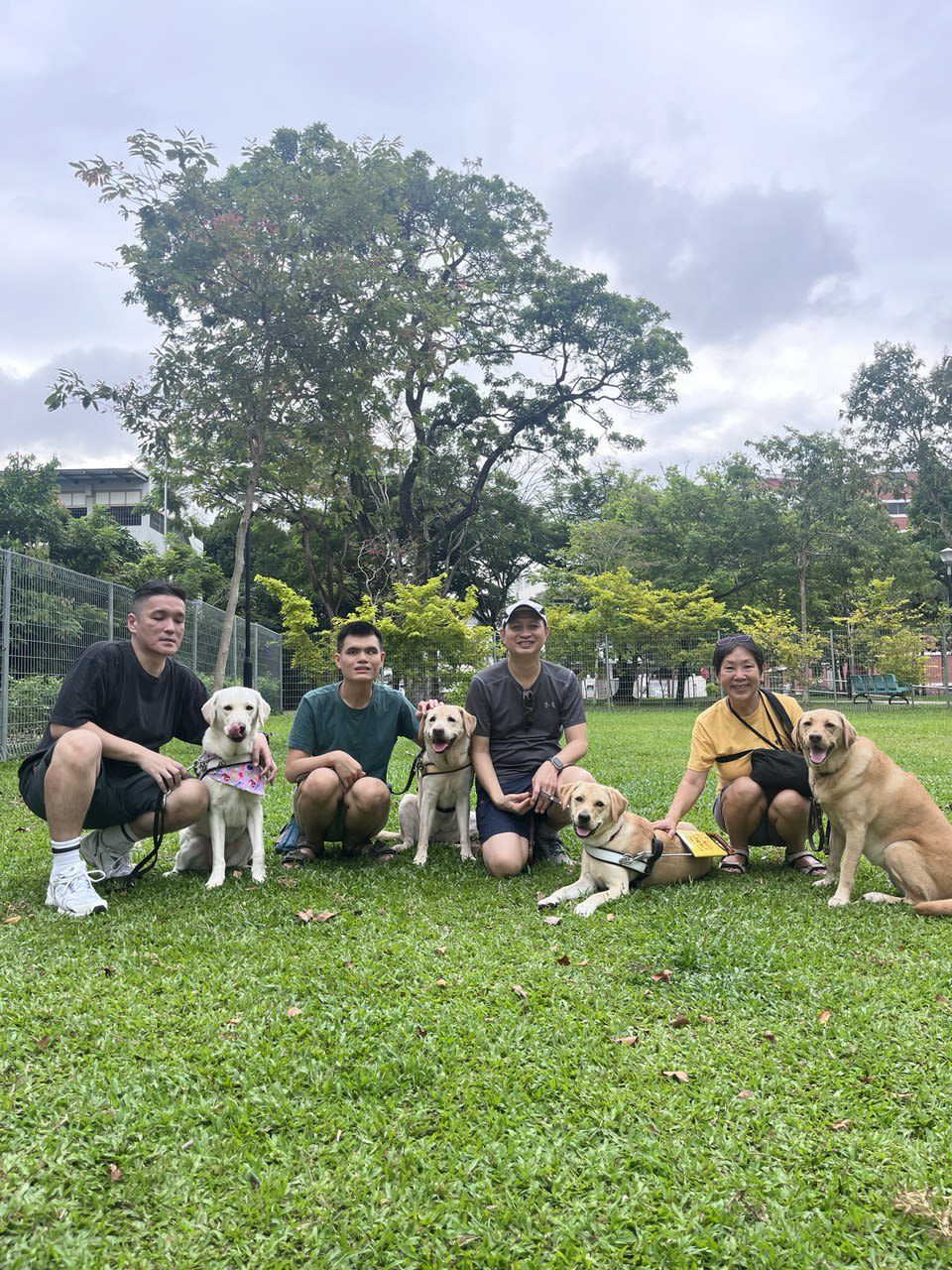
Guide dog teams that have been successfully paired by Guide Dogs Singapore.
Guide dog teams that have been successfully paired by Guide Dogs Singapore.
Over the years, GDS has noted a slow uptick in interest in guide dogs, owing to lowered apprehension towards the animals. Vanessa hopes to build a longer waitlist of clients, which will warrant expanding the programme at a faster rate.
The organisation requires funding for its free services. GDS bears the cost of acquiring and training the guide dogs, which ranges from S$45,000 to S$50,000, as well as provides heavily subsidised animal healthcare through its partner.
Over the years, it has supported 815 individuals with visual impairment, with more in the pipeline to accommodate a surge in hospital referrals. GDS’ second guide dog mobility instructor is currently undergoing training in Australia, which will enhance its capacity to help others like Gary.
While GDS continues to play its part in promoting greater understanding and inclusivity toward people with disabilities, Gary is thankful for the presence of kind strangers. These include individuals who’ve nudged others to give up their seats on the train for him, as well as helpful neighbours. Inclusivity, he concurs, transcends acceptance of guide dogs.
“I hope for more friendliness towards the disabled community, and that the public at large will come to our aid,” he says.

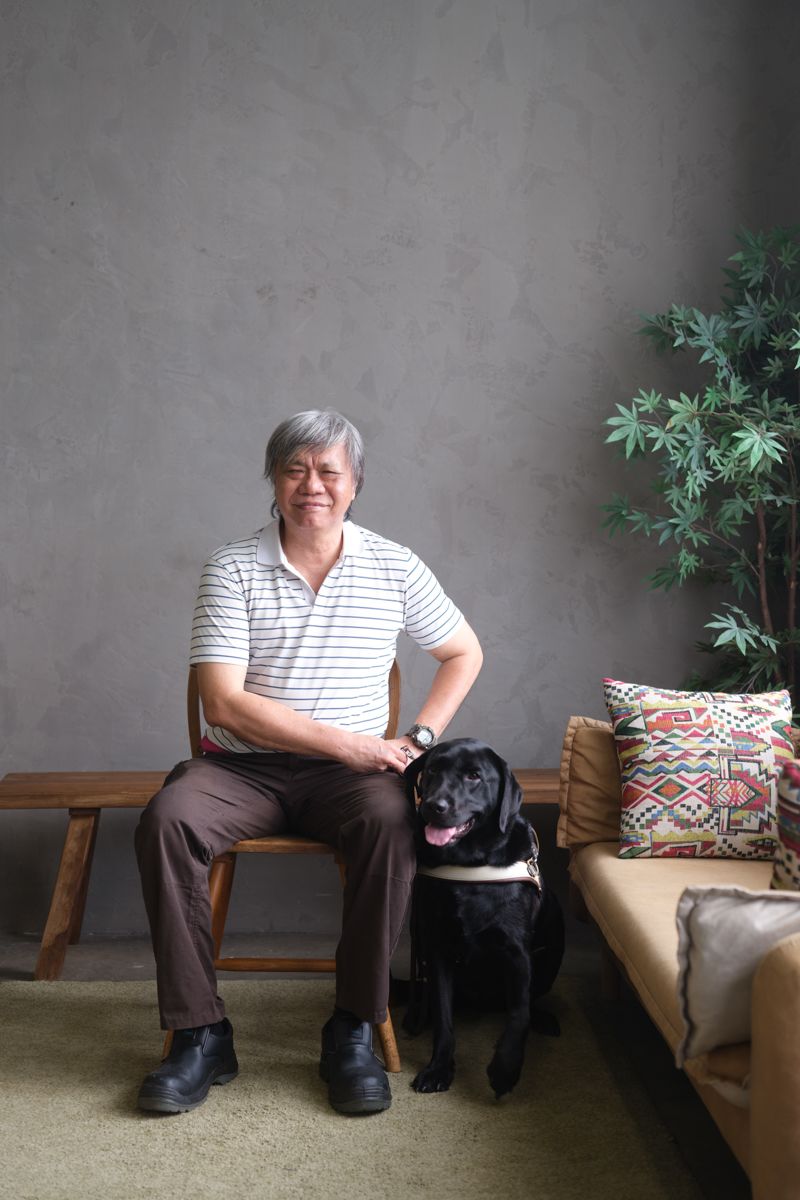
Gary Lim looks towards a more inclusive society that fully embraces both him and his guide dog Matt in public spaces.
Gary Lim looks towards a more inclusive society that fully embraces both him and his guide dog Matt in public spaces.
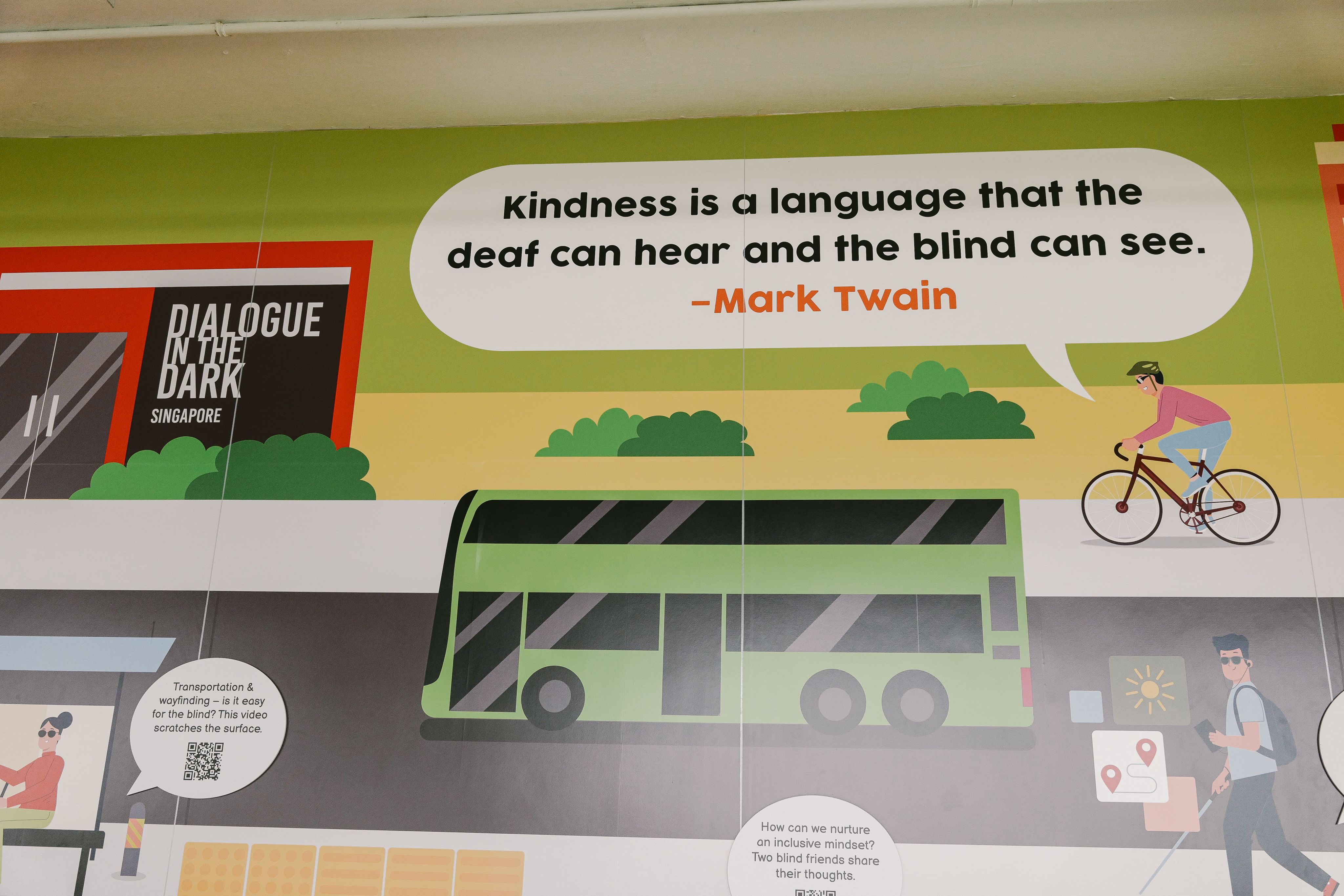
A quote by Mark Twain adorns the exterior of Dialogue in the Dark.
A quote by Mark Twain adorns the exterior of Dialogue in the Dark.
Credits
Writer, Producer & Content Designer / Cara Yap
Photographer / James Kuan
Executive Producer / Chris Annadorai
 Built with Shorthand