Bridging the Education Gap —with Boats, Bikes and Books
No distance is too wide for these non-profits in Asia when it comes to ensuring a child’s right to learn. This International Day of Education, we celebrate them.
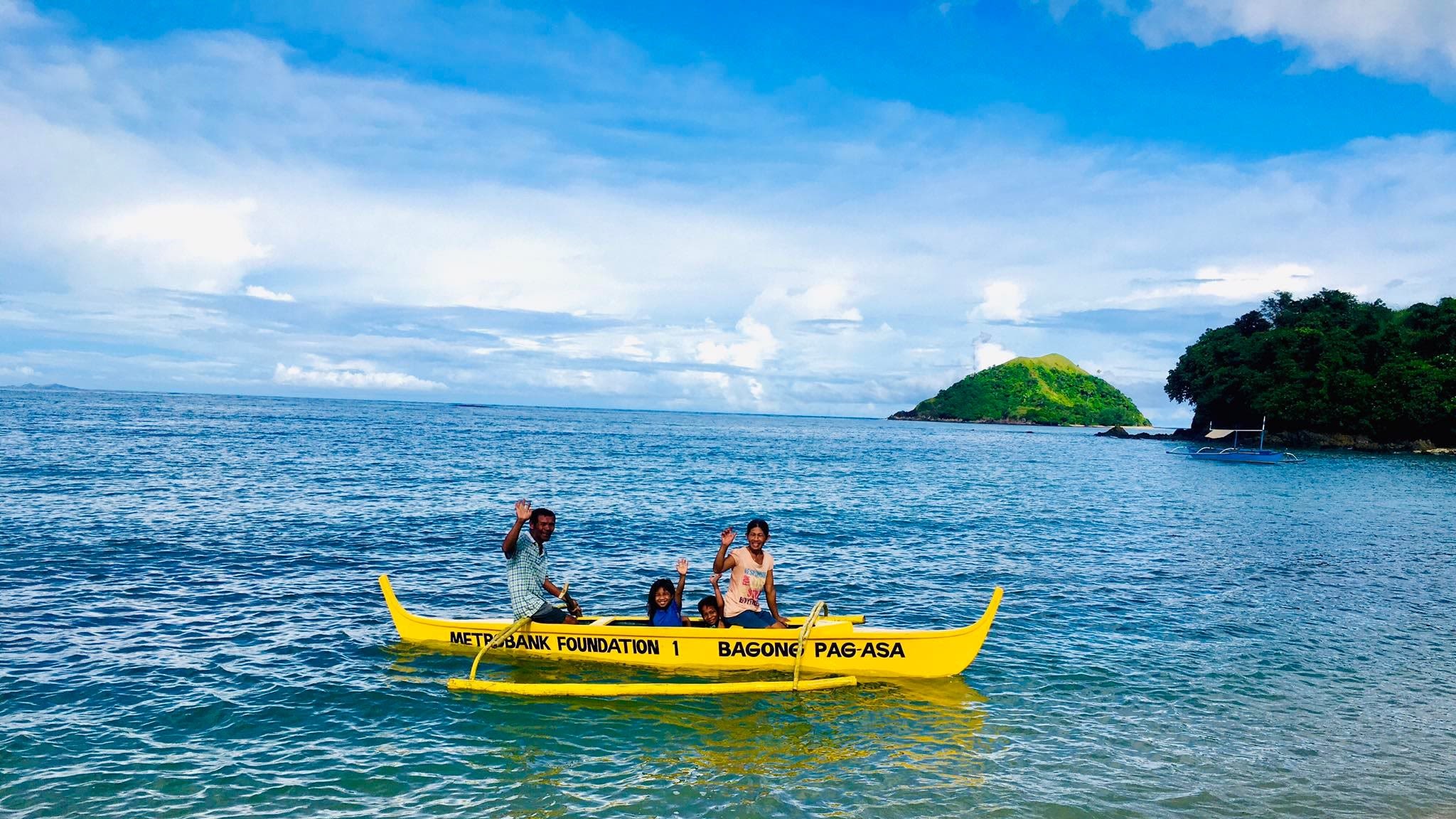

In 2018, the United Nations proclaimed Jan 24 the International Day of Education, in celebration of the role of education for peace and development, and to strengthen the call for quality education for all.
This is a mission that three non-profits we have featured in the past take very seriously. Determined that distance is no barrier to education, they have come up with solutions to ensure that children are not denied their right to learn.
This International Day of Education, we celebrate their accomplishments and their continued vision of education for everyone.
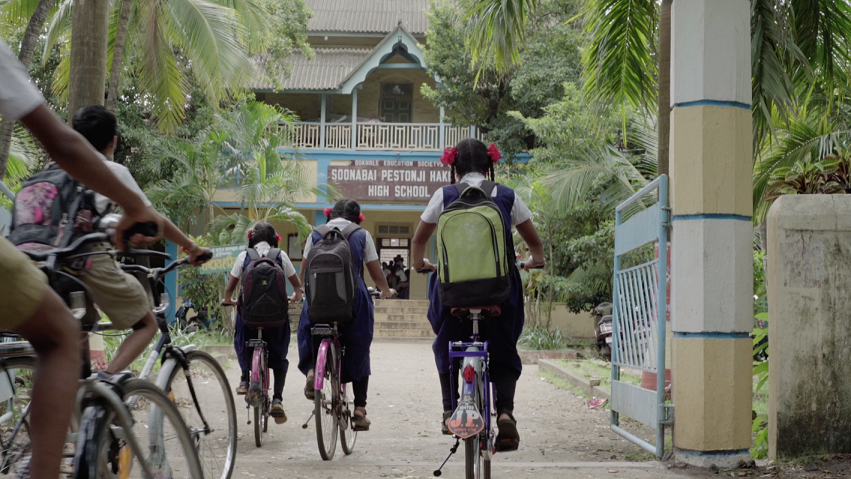
550 BICYCLES AND COUNTING
Sangeeta Darvekar Charitable Trust
“Building a better India is not the sole prerogative of the government. It is we…who can take the initiative and work for the betterment of our environment, our people.”
Born in a slum, Dr Suwas Darvekar knows what it takes to overcome the inequalities that keep many children out of school, denying them the opportunity to achieve their dreams.
A dentist by profession and an avid cyclist with a desire to give back to society, he eventually landed on a simple yet creative solution: give out bicycles to children from remote communities, who often miss school due to the distances they have to travel — walking as much as 10km a day to attend class.
Since launching this initiative, called Sangeeta Darvekar Charitable Trust, 550 bicycles have been given out. Even as schools were closed during the COVID-19 pandemic, Sangeeta worked with other NGOs to bring necessities to children in need, ensuring they were not forgotten.

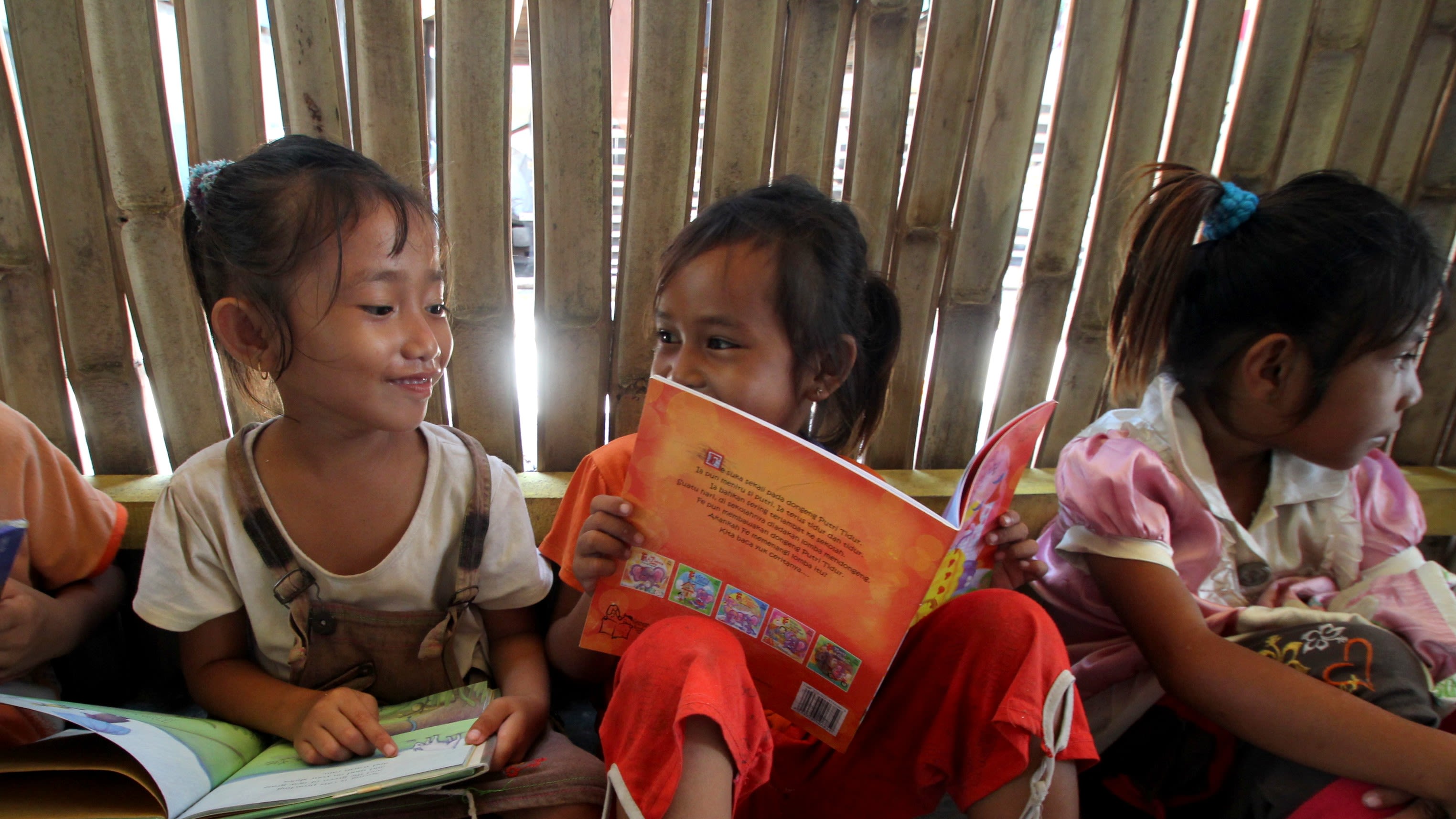
135 LIBRARIES AND GOING STRONG
Taman Bacaan Pelangi
“I want every single child in eastern Indonesia to have access to books because that will help them to dream, and having a dream is so important because that will motivate them to learn and work hard to achieve it.”
Books are a window to a world, yet there are many out there with no means of ever opening one.
To address this, Nila Tanzil set out to build libraries in the remote islands of eastern Indonesia, so that children have the chance to develop their ability to learn and dream. This led to the creation of Taman Bacaan Pelangi in 2009.
Taman Bacaan Pelangi ("Rainbow Reading Gardens" in Bahasa Indonesia) works with local schools to set up libraries run by volunteers. The goal is to instill a love for reading, and by extension spark an interest in learning — an important mission in a country where literacy rates and an interest in reading have become an issue for concern.
To date, it has set up 135 child-friendly libraries across 18 islands of eastern Indonesia; each library has at least 1,250 children’s books — some have up to 3,000 books. The non-profit also works closely with schools to support teachers to help them develop children’s literacy skills; it has trained some 5,000 local teachers.

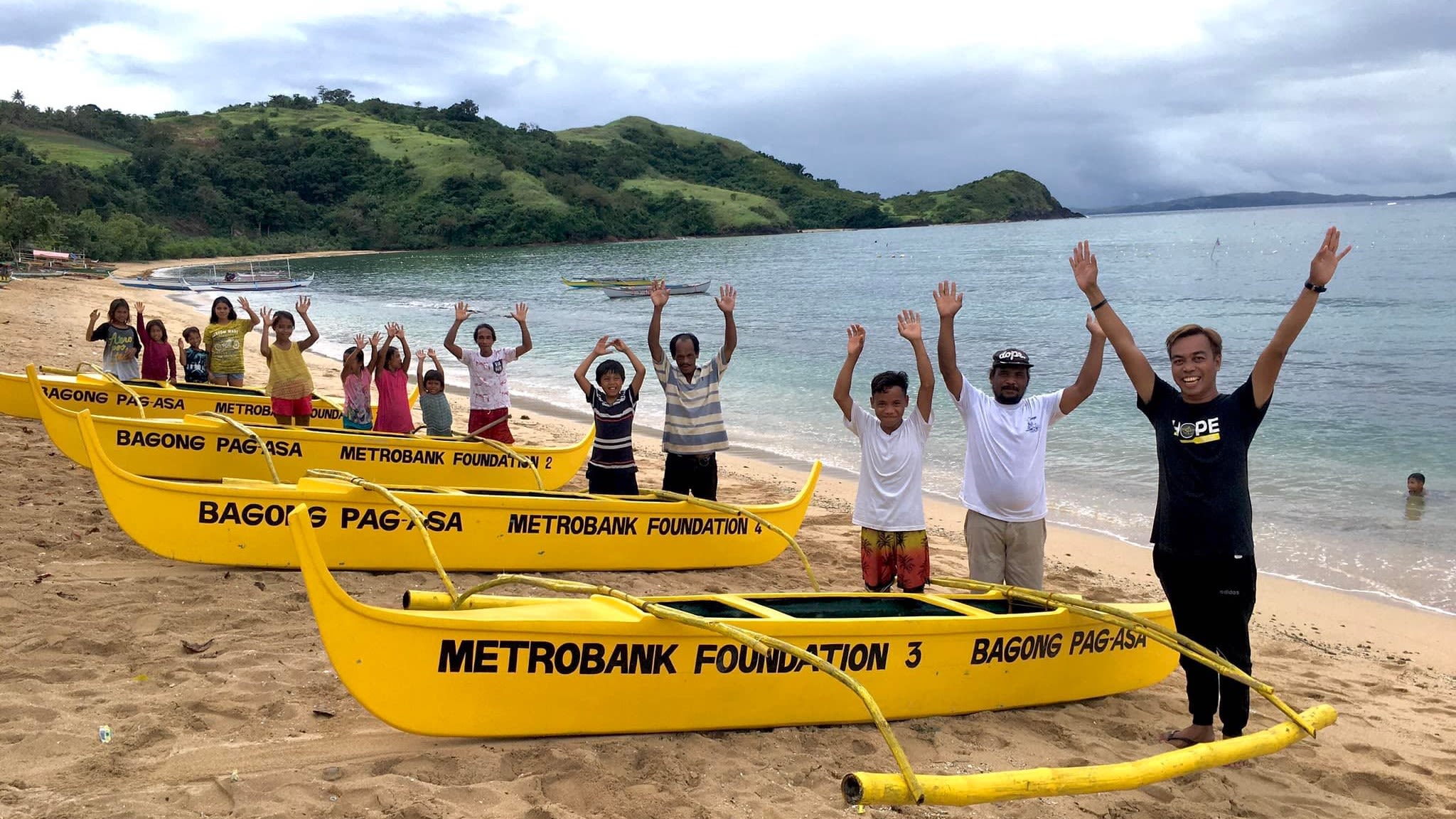
5,000+ BOATS AND MORE TO COME
Yellow Boat of Hope Foundation
“You’ve heard about kids skipping school to go swimming. But not kids swimming to go to school.”
In the mangrove village of Layag-Layag in the Philippines, swimming is the only way to get to school, some 2km away. Children arrive in the school wet, sometimes injured by corals and crabs in the water. And they are not alone — across the Philippines are many remote communities for which going to school can be an arduous task on a daily basis.
This inspired Jay Jaboneta and Anton Mari H Lim to start Yellow Boat of Hope Foundation, to rally people to donate and fund boats that would ferry children to school safely — boats that eventually became a lifeline for the communities, making it easier to bring in medical supplies, food and other necessities.
Since 2011, the Yellow Boat of Hope Foundation has adopted 118 public schools and 219 communities, and built over 5,000 boats, 13 schools, five dormitories, and two bridges. And in the wake of Typhoon Odette in 2021, it has tirelessly supported relief operations by bringing much needed supplies through its network.

 Built with Shorthand