Inside a Safe Haven for Street Kids in Bali
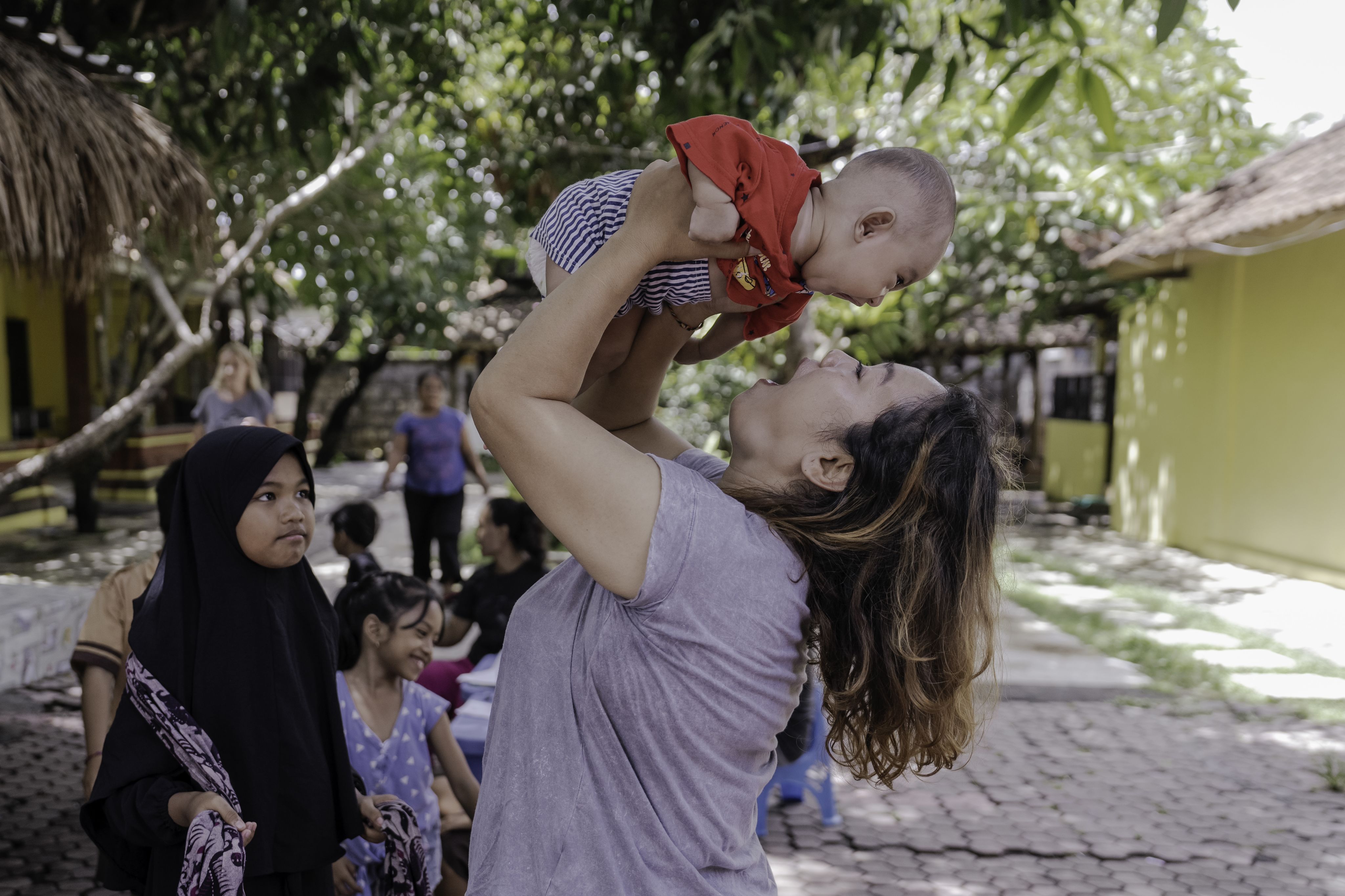

The tourist-glutted streets were a gridlock of fear and foreboding. She tried her best to sidestep the menace lurking amid the crowds, harassed by men who spewed lewd propositions. It didn’t matter to them that she had kids in tow.
“They would call me a dog. My children were so frightened and we felt threatened. But I had to carry on so they could eat,” recounts a tearful Nengah Ayu. The 35-year-old mother-of-three once plied the thoroughfares of Kuta, Bali, for up to 12 hours a day, peddling tissues with her kids.
Mere metres from the glimmering five-star beachfront hotels and buzzy restaurants of the Indonesian island paradise, mothers begging and hawking bric-a-brac with their children is a common sight. At times, the kids approach strangers on their own, leaving them vulnerable to sex trafficking. The latter problem has become more prevalent in Bali since the COVID-19 pandemic, according to Indonesian government officials.

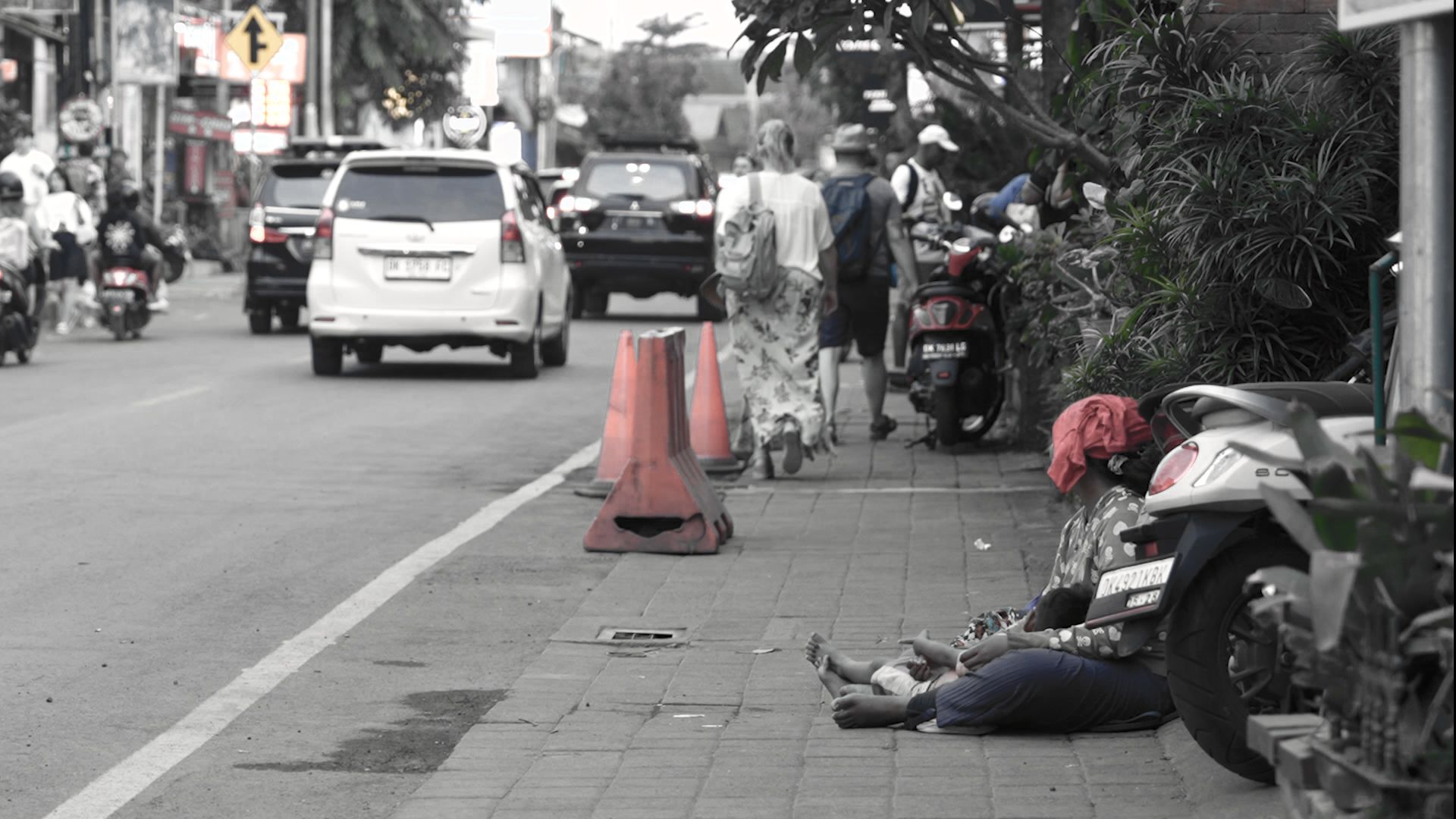

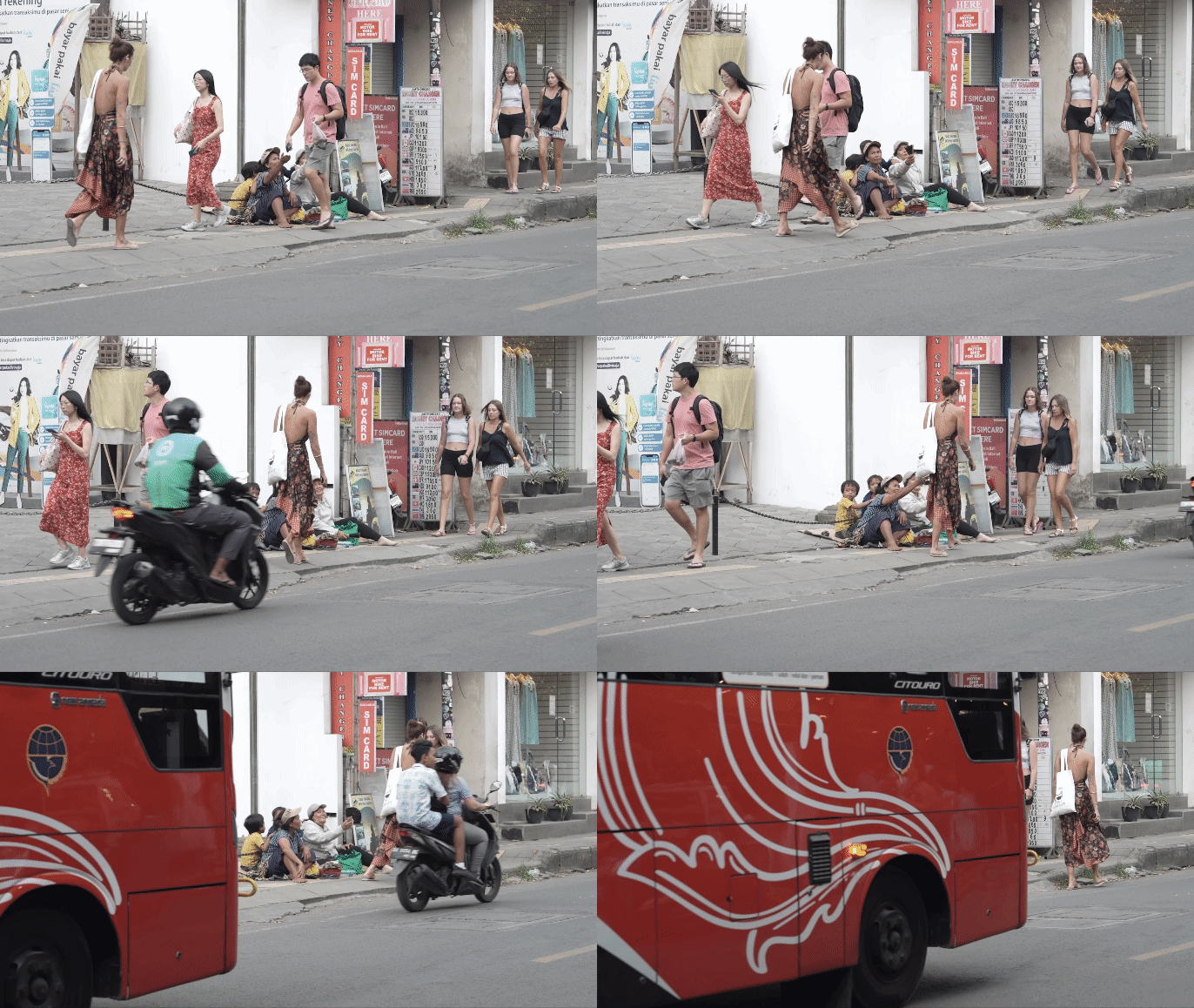
Poverty forced Nengah and her family to venture from their village in Karangasem in East Bali, to a slum settlement in Denpasar to eke out a living. She began begging at the age of nine.
“I am the oldest child in my family, and begged for money to help my parents feed my siblings. I never went to school,” shares Nengah.
Later as an adult, she would earn about Rp50,000 (US$3) on a good day selling packets of tissue paper — not enough to feed her family. On a bad day, she would return home empty handed.
Nengah Ayu's predicament isn't unique in Bali, where, according to the Central Statistics Agency (BPS), more than 36,000 people fell into poverty during the pandemic.
In fact, officials stated that rising unemployment has resulted in a surge in begging among children, to help support their families.
Working to break this cycle of poverty is local charity Bali Street Mums (BSM), which helps get mothers and children off the streets by providing them with shelter, meals, education and training. Mothers learn how to produce handicrafts such as glasses made from recycled bottles to generate an alternative source of income. The non-profit also provides families with counselling and medical aid, which includes prenatal care.

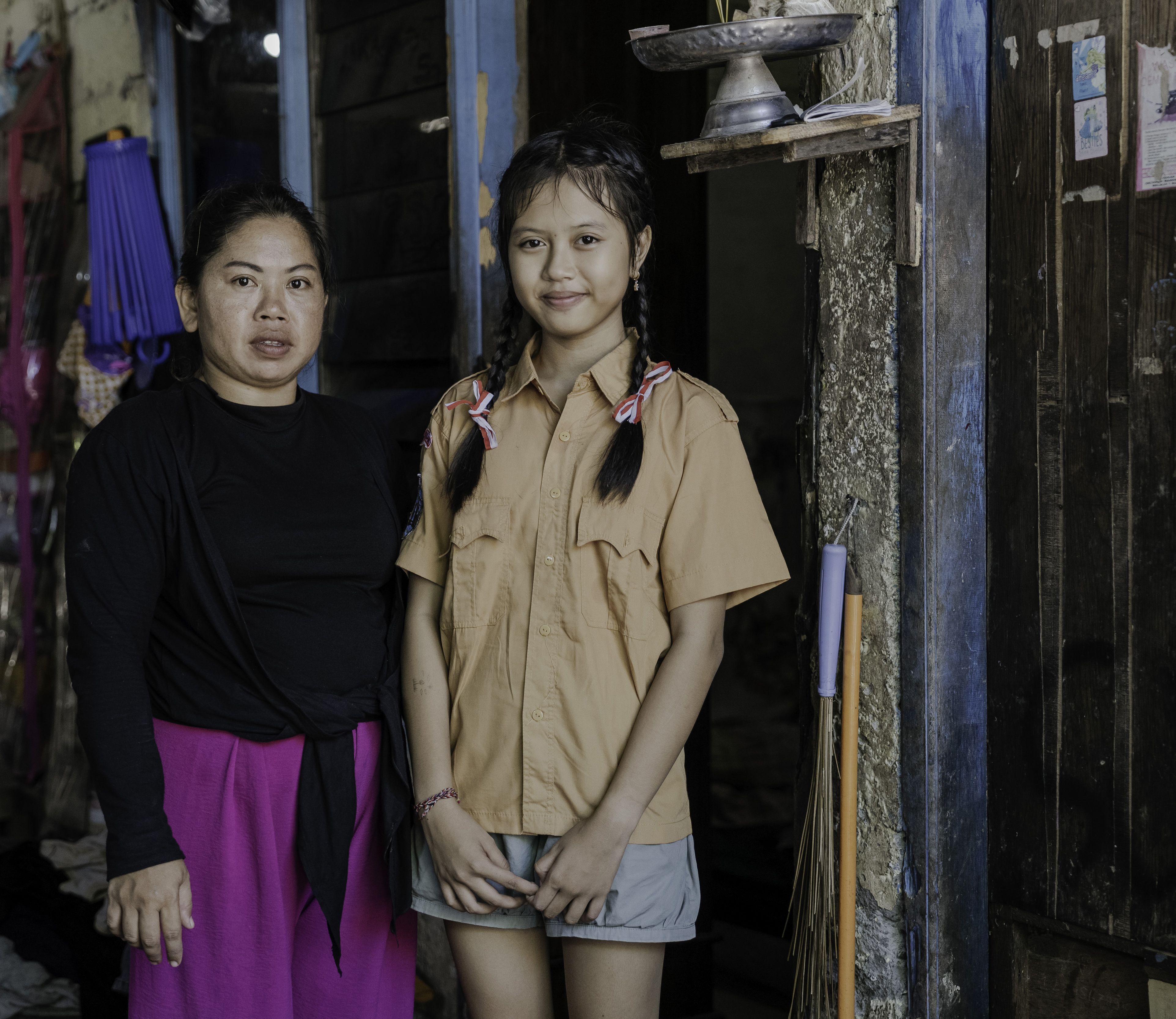

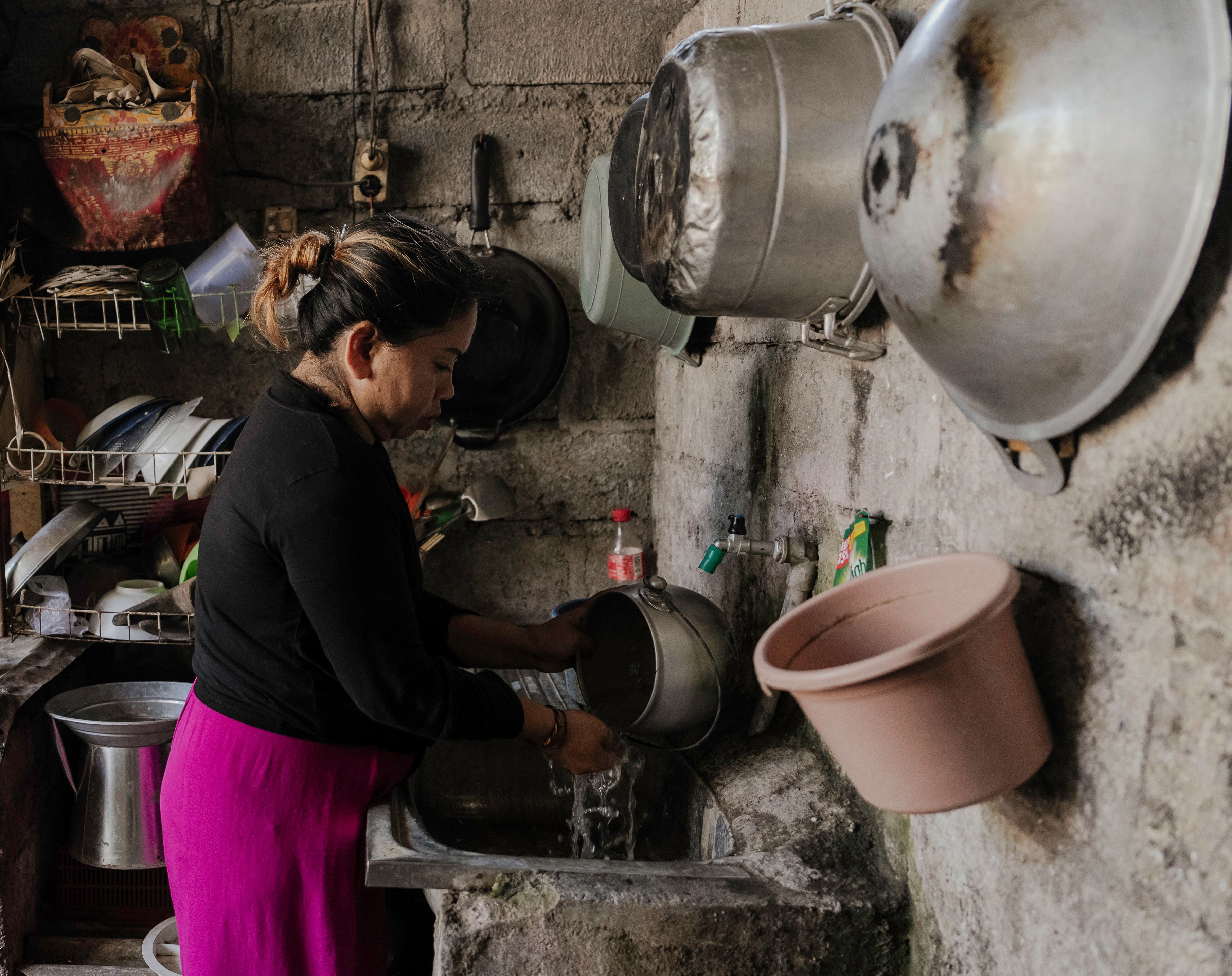

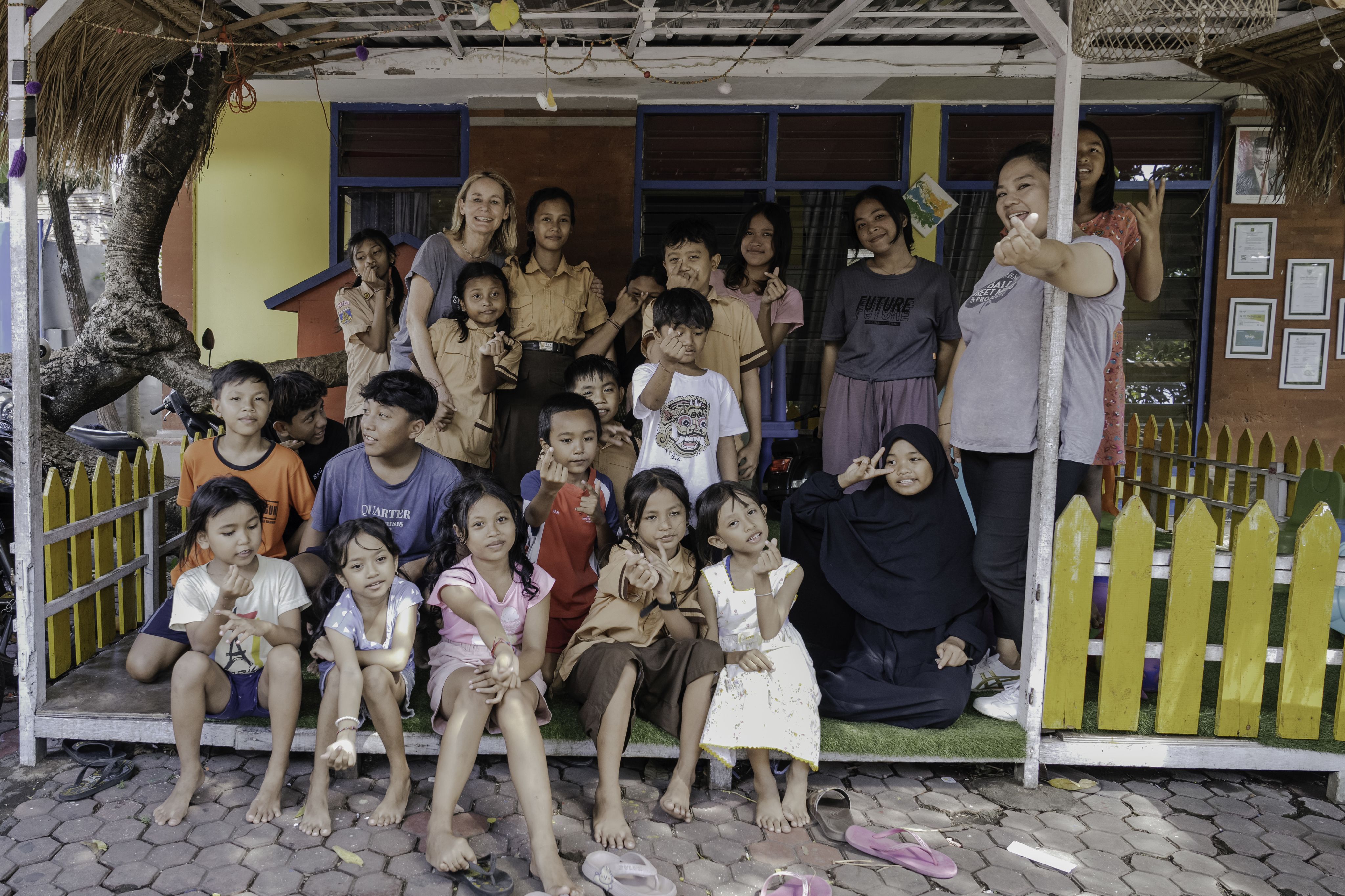
In 2021, a heavily pregnant Nengah and her two daughters walked into BSM’s safehouse in Denpasar. She was referred to the organisation by a social worker who had encountered her daughter while she was selling bracelets and tissues on the streets.
“I remember the day we came here. We had nothing, not even a mattress to sleep on,” she recalls.
Besides gaining new skills at BSM, Nengah also found employment as a cook for the non-profit. Her weekly salary of around RP500,000 (US$31) covers her family’s rent as well as food and transportation expenses.
BSM also foots her daughter’s school tuition fees.
“My second daughter is very intelligent and a talented dancer. My eldest daughter, Suci, has just started working as a social worker helping other children at BSM in Ubud,” shares the proud mother.

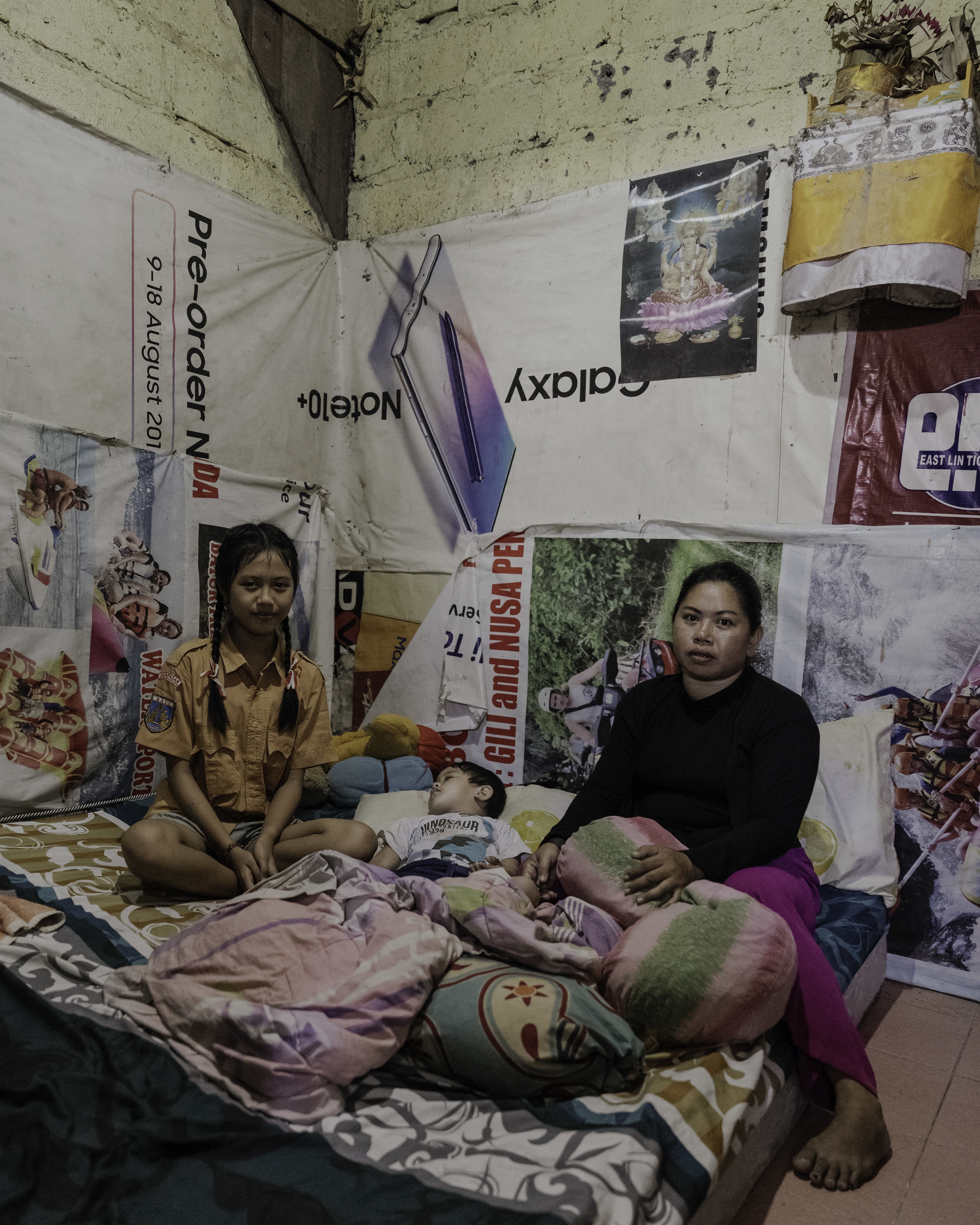
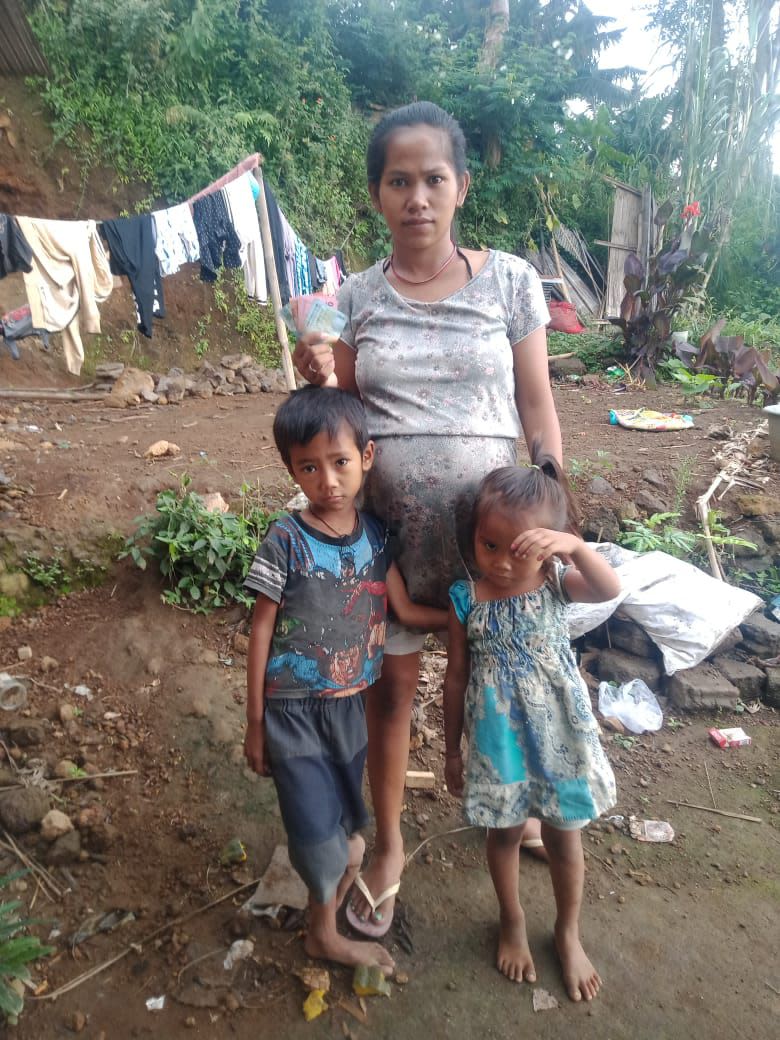
Nengah Ayu with her daughter and son in the bedroom of their shack in a Denpasar slum.
Nengah Ayu with her daughter and son in the bedroom of their shack in a Denpasar slum.
Maternal Strength
The importance of providing families with the right resources and a nurturing environment to improve their circumstances is something that BSM’s founder, Kim Farr, can attest to.
The New Zealander grew up with an alcoholic mother and would routinely be left for weeks on end without food in the house.
“My sister and I had to look after ourselves and were hungry all the time. Finally, my mum left us when I was 12 and my sister was 10,” recalls Kim. Thankfully, they ended up under the care of a loving foster mother who taught Kim how to sew, crochet and craft dolls — a skill that she shares with the mothers at BSM.
“All the mothers who come to BSM have never received an education, so they cannot read or write, and their livelihood depends on being able to create with their hands,” explains Kim.
The mother-of-two arrived in Bali in 2012 and was distressed to witness mothers and children begging on busy roads at night, as well as children suffering from malnutrition, illness and abuse. She thus resolved to help them and established BSM as a refuge next to the slums of Denpasar. The organisation has supported 380 children and 90 mothers since it was established in 2015.
“You just need to help a woman in a negative situation in her life. Mothers should not be doing this alone. Our aim is to empower them so they can do likewise for their children,” asserts Kim.

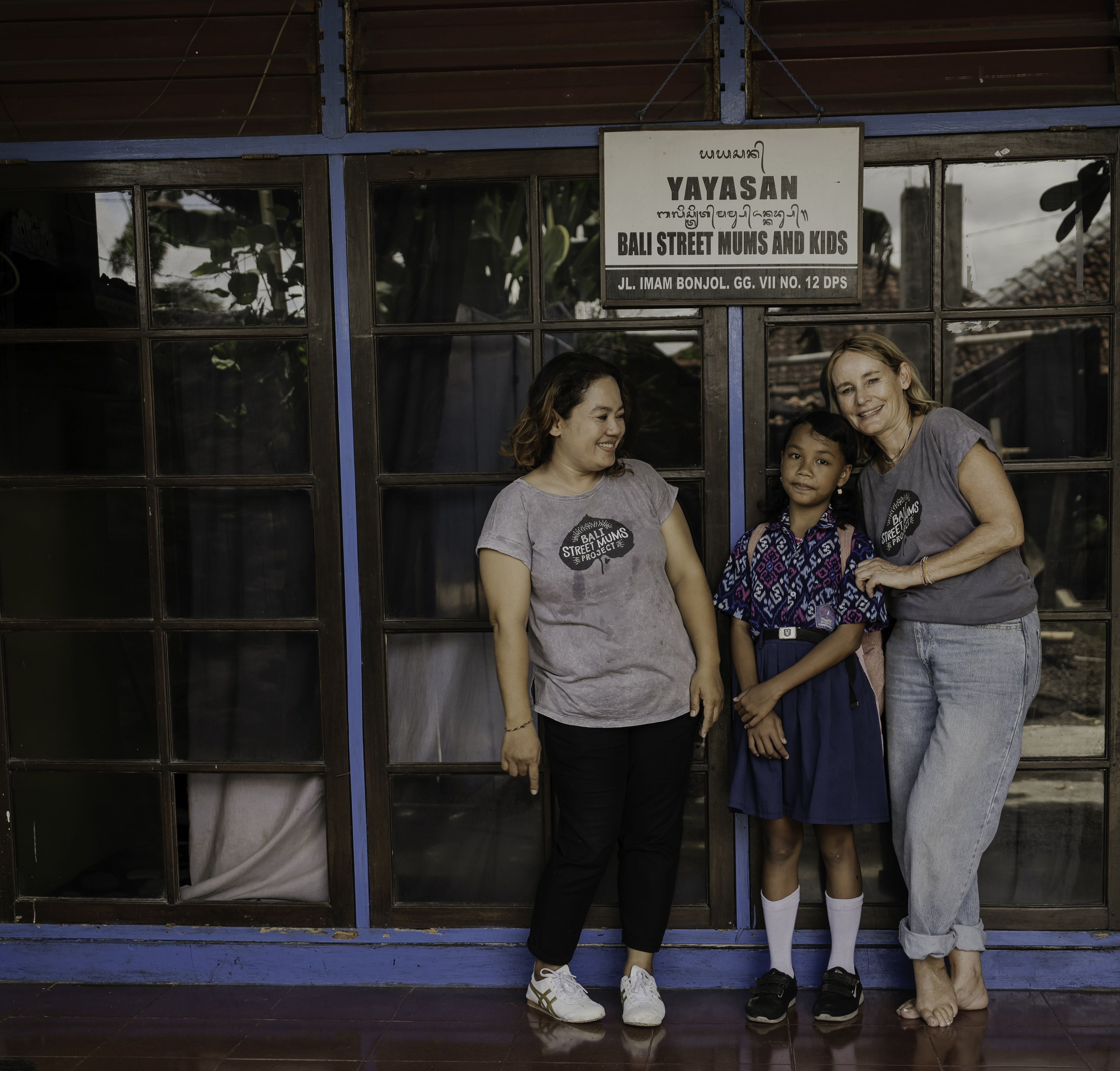
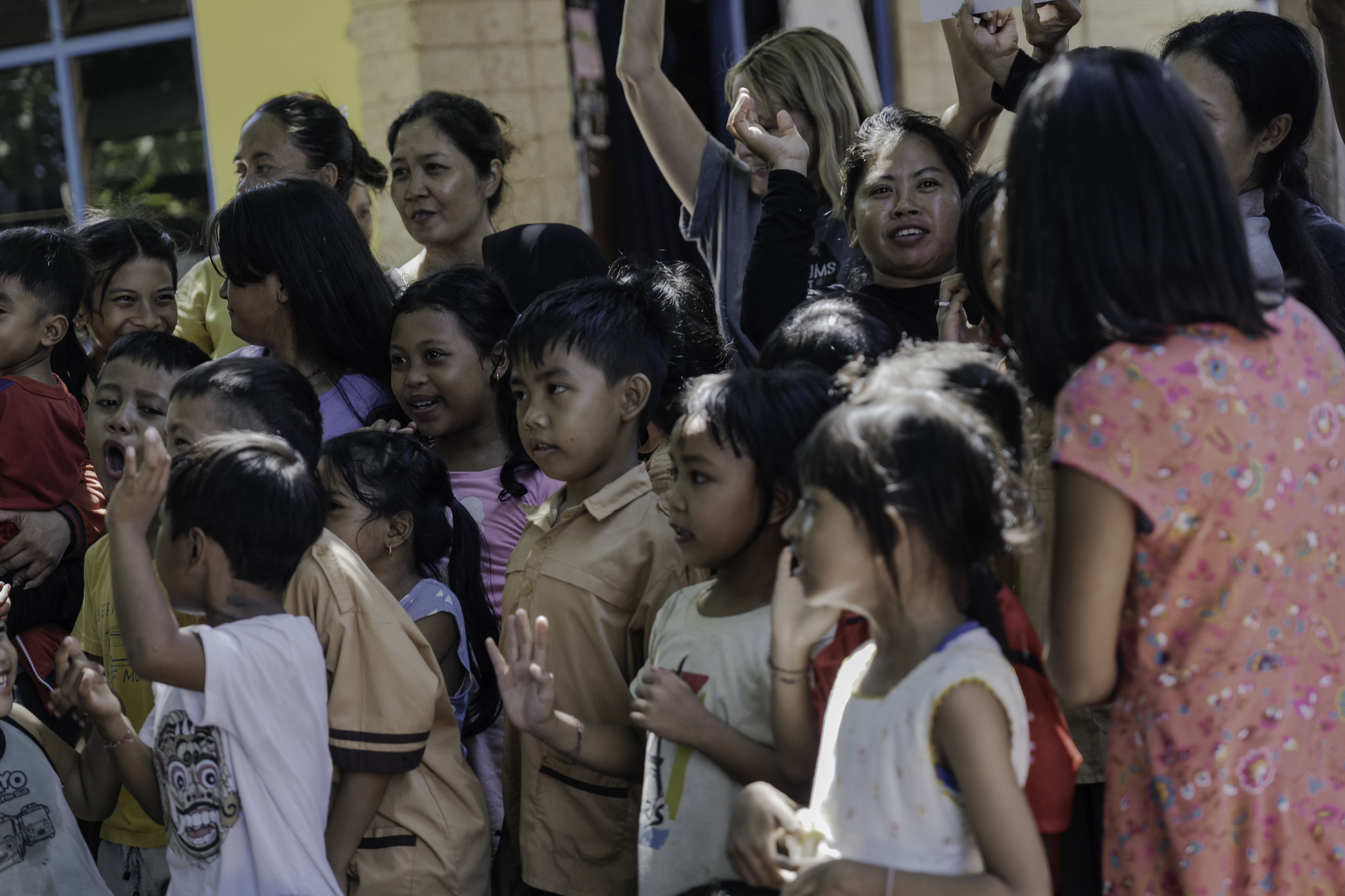
As the organisation’s lead maternal figure, Kim’s main priority is to ensure the children's safety.
Every morning, she and her staff conduct a thorough check on the children residing in the shelter, as well as make their rounds of the surrounding slums and local schools to confirm the attendance of the BSM students enrolled there. They also work closely with a social worker to ensure the children’s well-being.
“Sometimes, we may notice a child looking really tired, so we need to know what’s going on. Are they being taken to the streets at night? Or is it as simple as them lacking a bed to sleep on?” explains Kim.

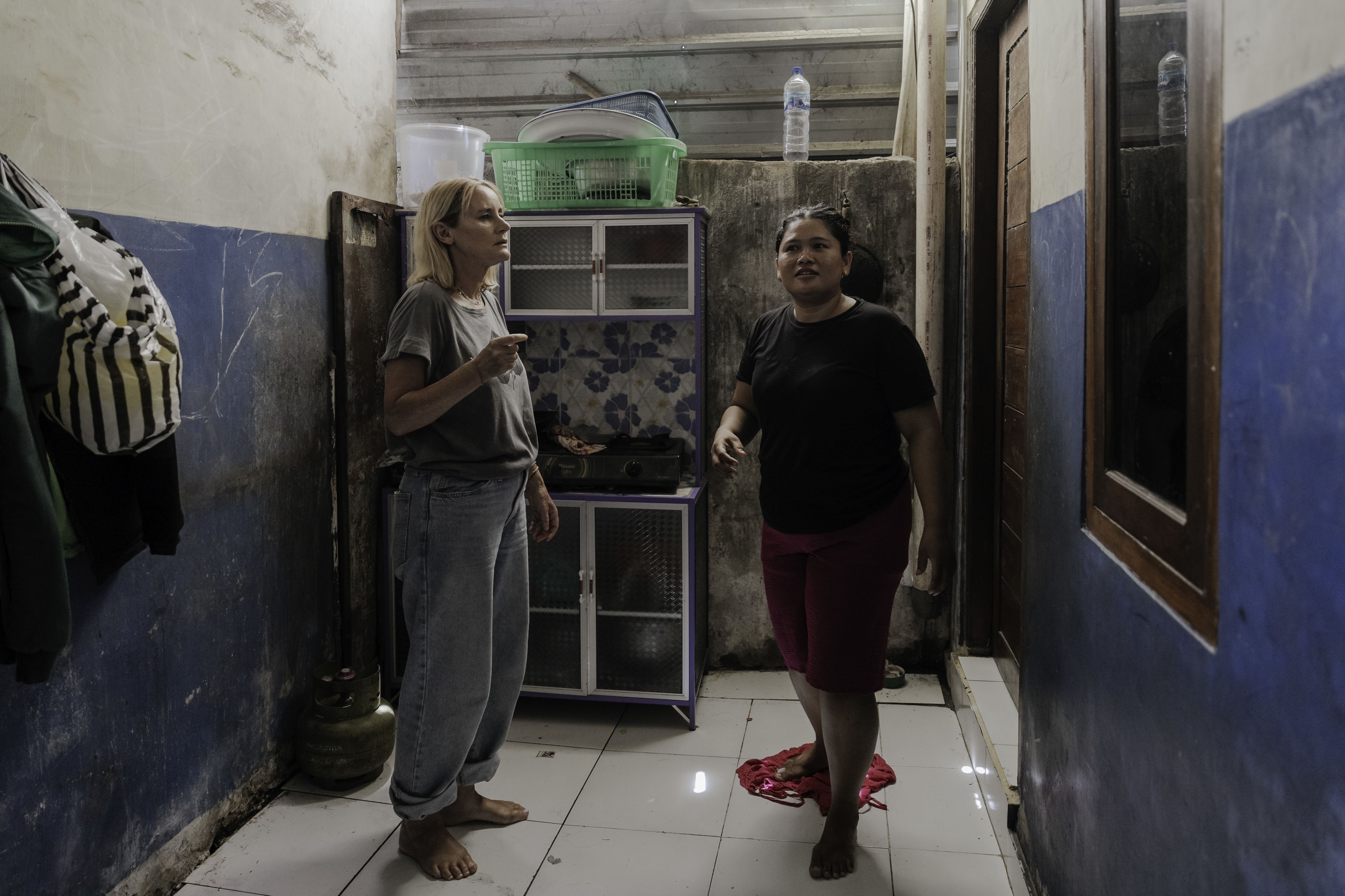
Kim visiting a slum located close to BSM to ensure the kids' safety.
Kim visiting a slum located close to BSM to ensure the kids' safety.

Enabling Livelihoods
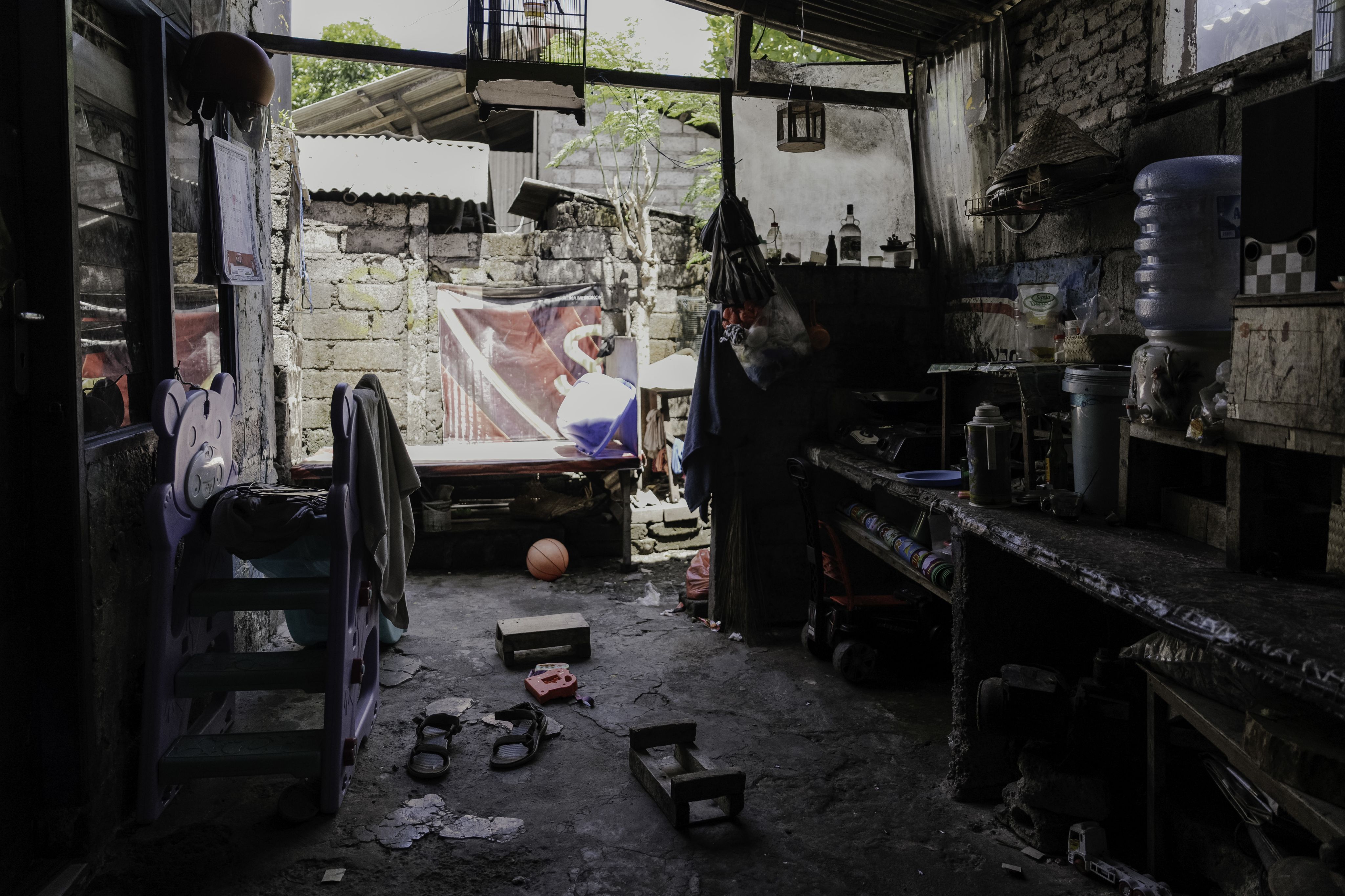
The majority of the mothers at BSM are from Muntigunung, a remote and arid mountainous area in northeastern Bali. Here, locals contend with a lack of natural resources and modern infrastructure, including running water. This has forced many mothers to head to touristy areas such as Ubud and Denpasar to beg.
Mei Hariyanti, a staff member at BSM, frequently journeys to Muntigunung to extend a helping hand to the mothers and children. Her first visit left an indelible mark, as she witnessed the harsh living conditions endured by the families.
“The mothers living there have nothing. They sleep on dirt floors, desperately trying to save for a water tank so their children can drink clean water,” shares Mei. She adds that she has to first gain their trust before they accept her assistance.
“Often, I explore the streets of Ubud to offer food to these women and colouring books and toys to their children,” she says. “ Many of them are exhausted, hungry, dirty and riddled with scabies, so they come to us for shelter, food and a shower.”
After she has made an initial connection with the mothers, Luna travels to Muntigunung to find out more about their needs, such as rice, water and other supplies.

While such outreach efforts are instrumental in helping women take the first step to attain a sustainable livelihood, they’re not always successful. According to BSM, only around 70 to 80 per cent of mothers accept help, with the rest sending their children as young as two or three to beg at bars. This can be seen as a lucrative gig, given the fact that many revellers tend to give freely to the young children.
“These very young children are seen as cash cows. The parents want the money, so they don’t grant their child the freedom to learn. To see a two- or three-year-old sent to work on the streets at 1 am is really devastating,” says Kim.
Mei echoes her sentiment.
“What breaks my heart is meeting the children. They have never gone to school before, and they tell me they have no dreams,” she says.
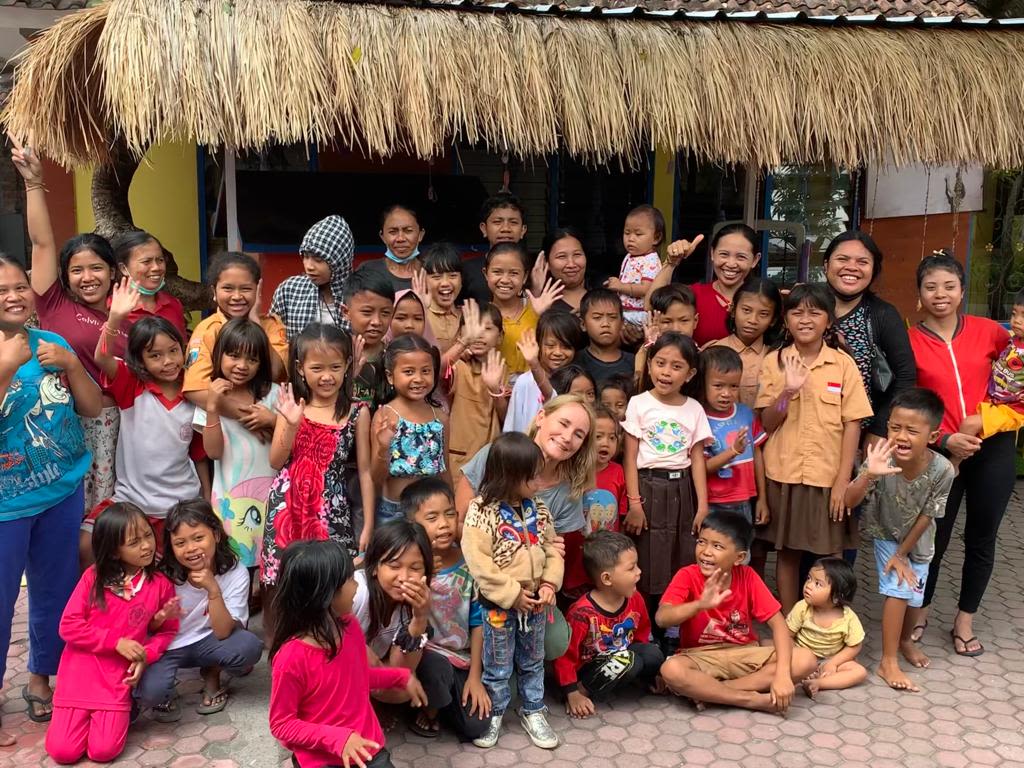
The staff at BSM believe that life can be better for these mothers and children. They hope that others can see this too.
Despite their challenges, Mei and her fellow staff at BSM persist in their efforts. They teach the children essential reading and writing skills and dispense them with a small weekly allowance, to discourage them from begging.
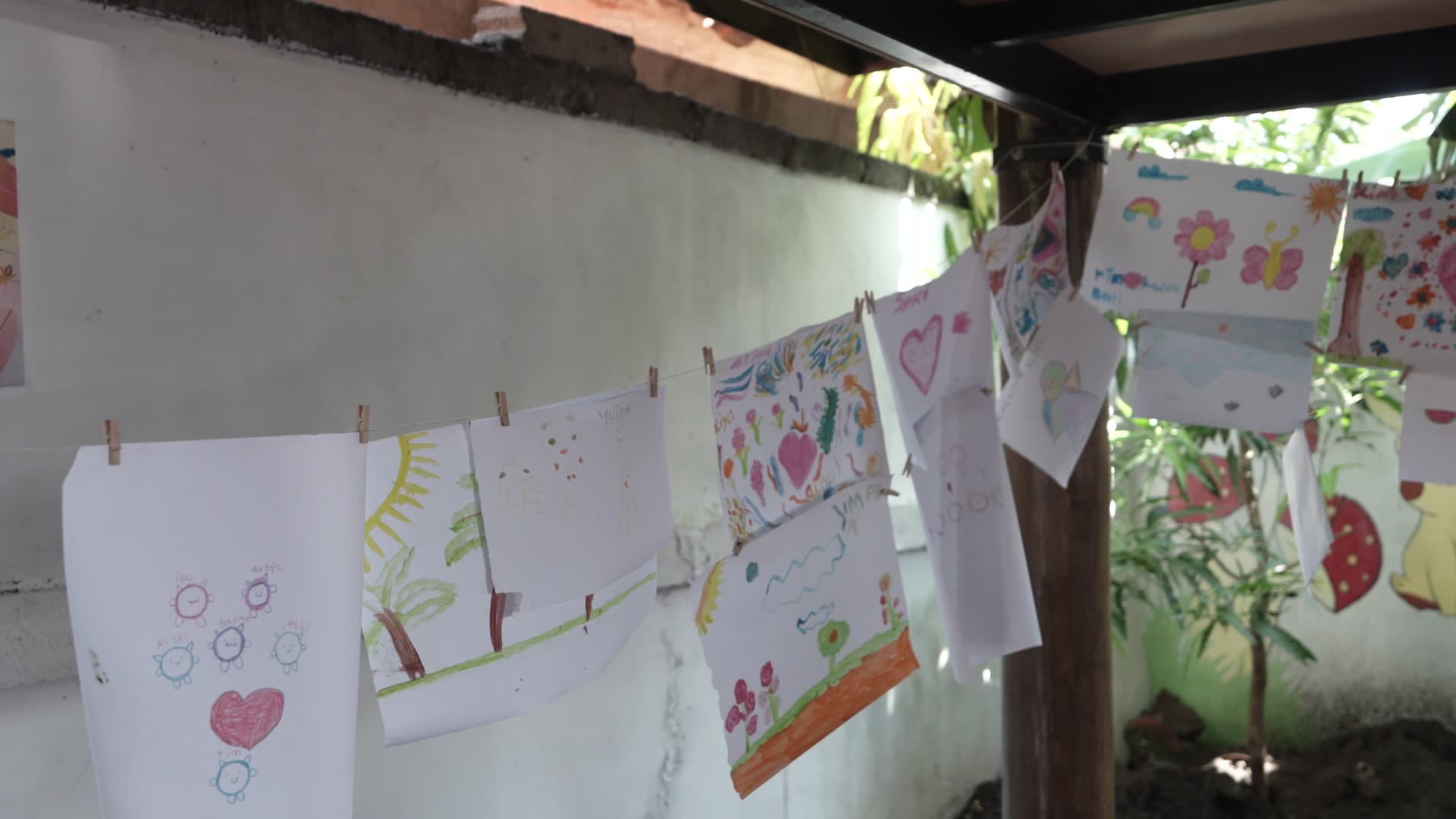


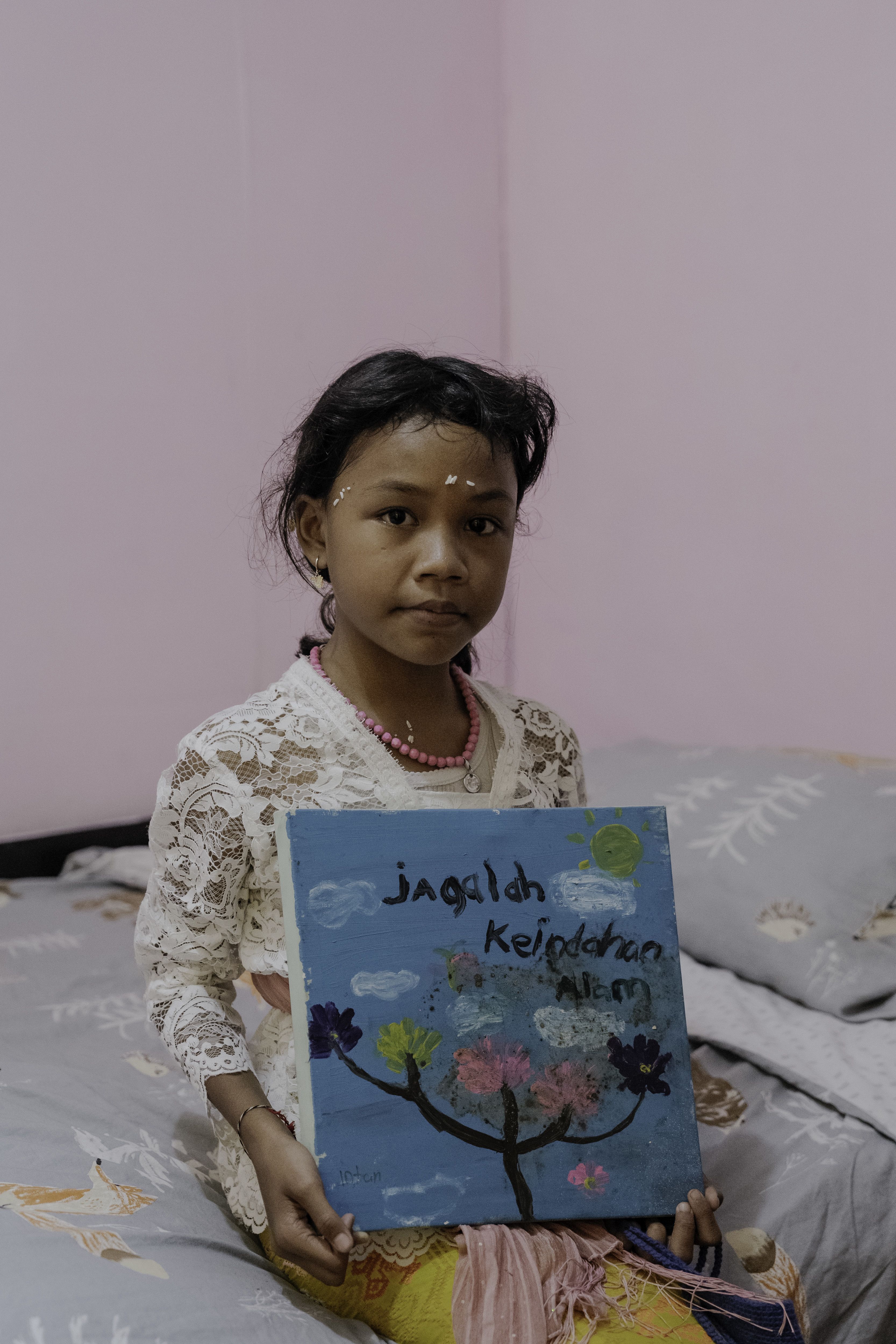

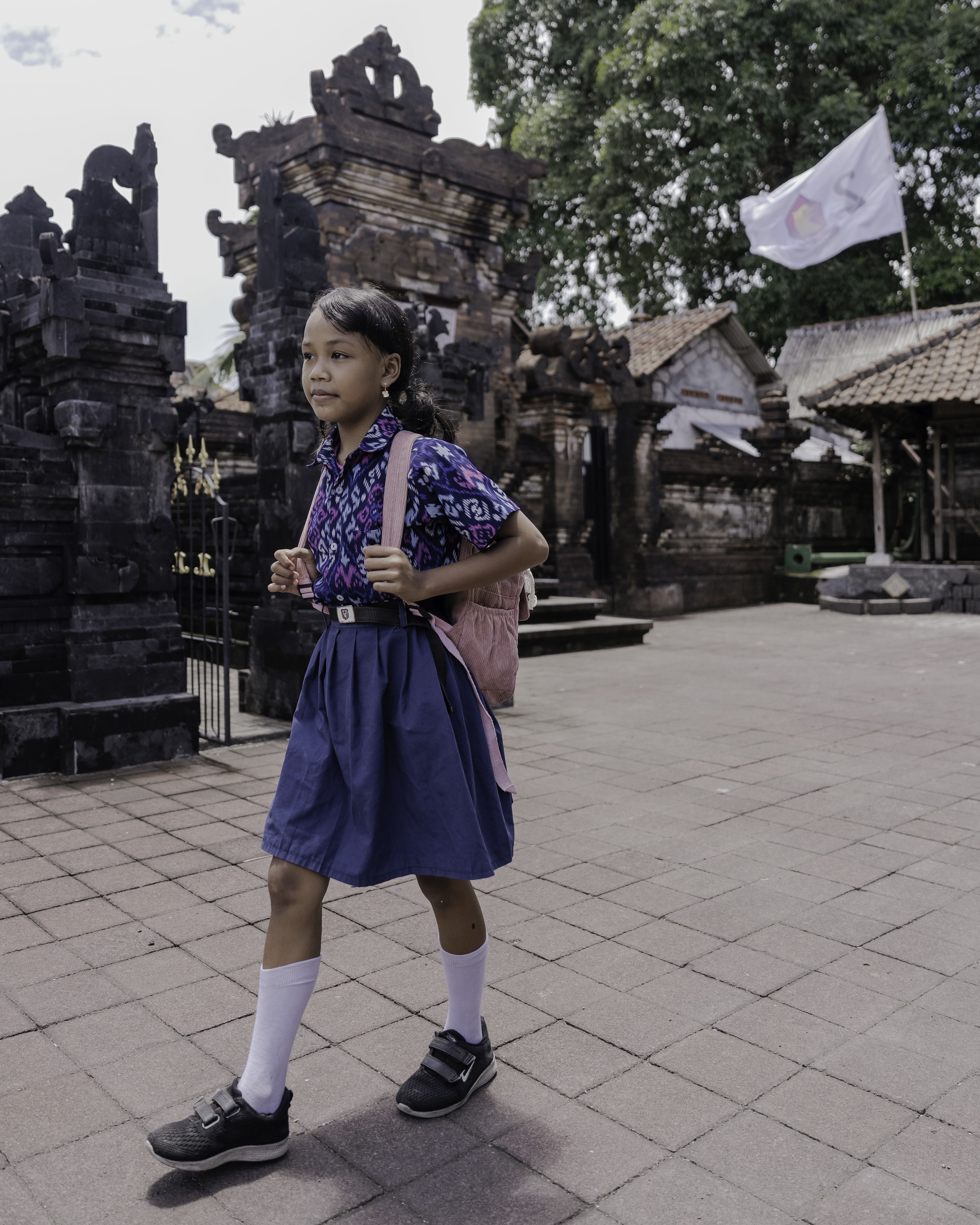
Some children, like 11-year-old Nita (not her real name), don’t even have the love of a mother. BSM is a safe haven for those like her and her 10-year-old brother.
The pair — who were abandoned by their mother when Nita was just two — came to BSM in 2020, at the height of the COVID-19 pandemic. They lived with their elderly grandfather until he sought BSM’s help, as he is unable to work due to dementia.
Nita has vague recollections of her life before coming to BSM, which involved begging on the streets. They had never attended school, till now.
“I love being here (at BSM). I can have three meals a day, I have lots of friends, and now I have money to buy books for school,” says Nita, who has an affinity for animals and hopes to become a veterinarian when she’s older.
She shares a special bond with Kim and feels safe and loved by all the staff at BSM.
“Nita is a very clever girl, very bright. Sometimes she cries in bed because she doesn't have a mother. It's hard to see,” says Kim.
A Brighter Future
But for all the bonds she’s unable to replace, BSM’s founder is funnelling her efforts towards building a more optimistic future for the mothers and children who find support in her organisation. Its various programmes, which are supported by donations from the public, restore their well-being and dignity while enhancing their prospects.
These donations help BSM to serve more than 150 meals a day and attend to countless medical emergencies that result from begging and living on the streets — which is still prevalent in Bali. In fact, Kim shares that BSM serves about 30 new children each month.
“Our vision for our safe houses is to be able to continue to aid and empower more mothers and children. There needs to be awareness of the needs and vulnerabilities of the children and mothers in Bali,” says Kim.
While Kim and her team continue to scour the streets for mothers and children who may need assistance in turning the tide, Nengah is finally optimistic about the future.
“I want to have my own business so I can work on my own and so that my children can finish school and get jobs,” she concludes.

Credits
Writer / Rahima Saikal
Producer & Content Design / Lilian Tan
Photography & Video / Wayan Martino
Executive Producer / Cara Yap
 Built with Shorthand