Recipes for Change
How Singaporean K-Lin Lim set aside her retirement plans to establish Paak Dang, a restaurant in Chiang Mai that employs and empowers troubled Thai youths.
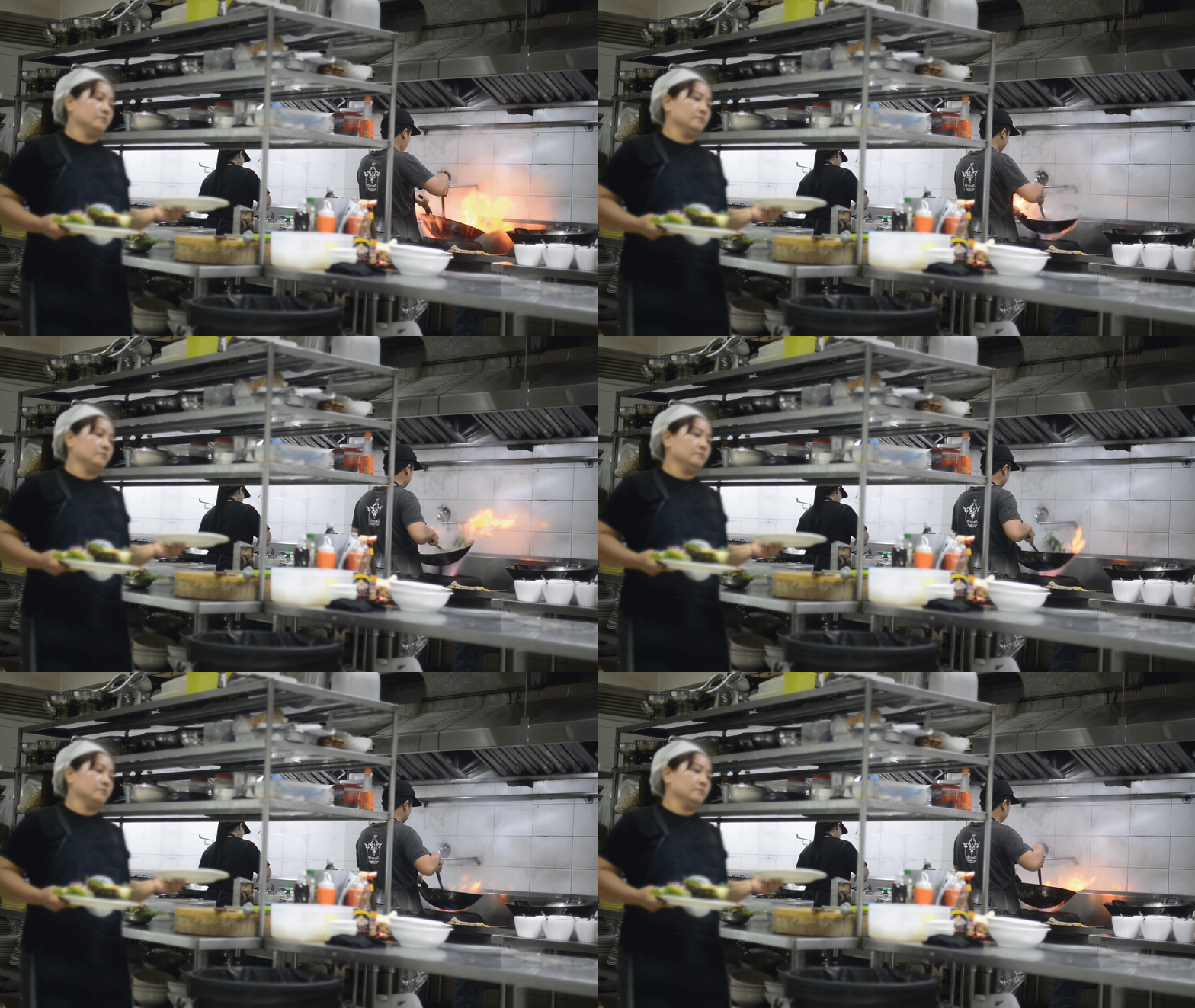


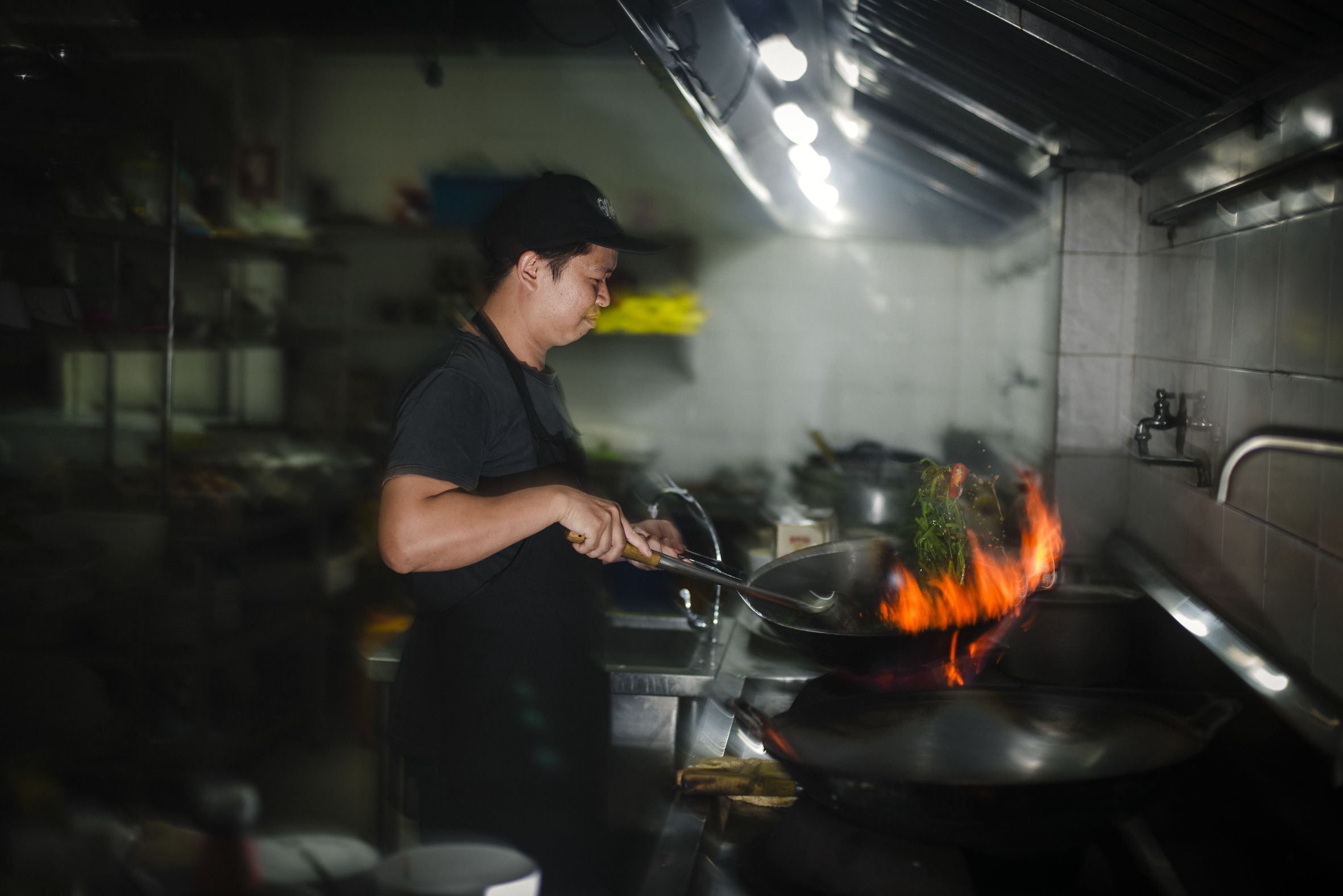

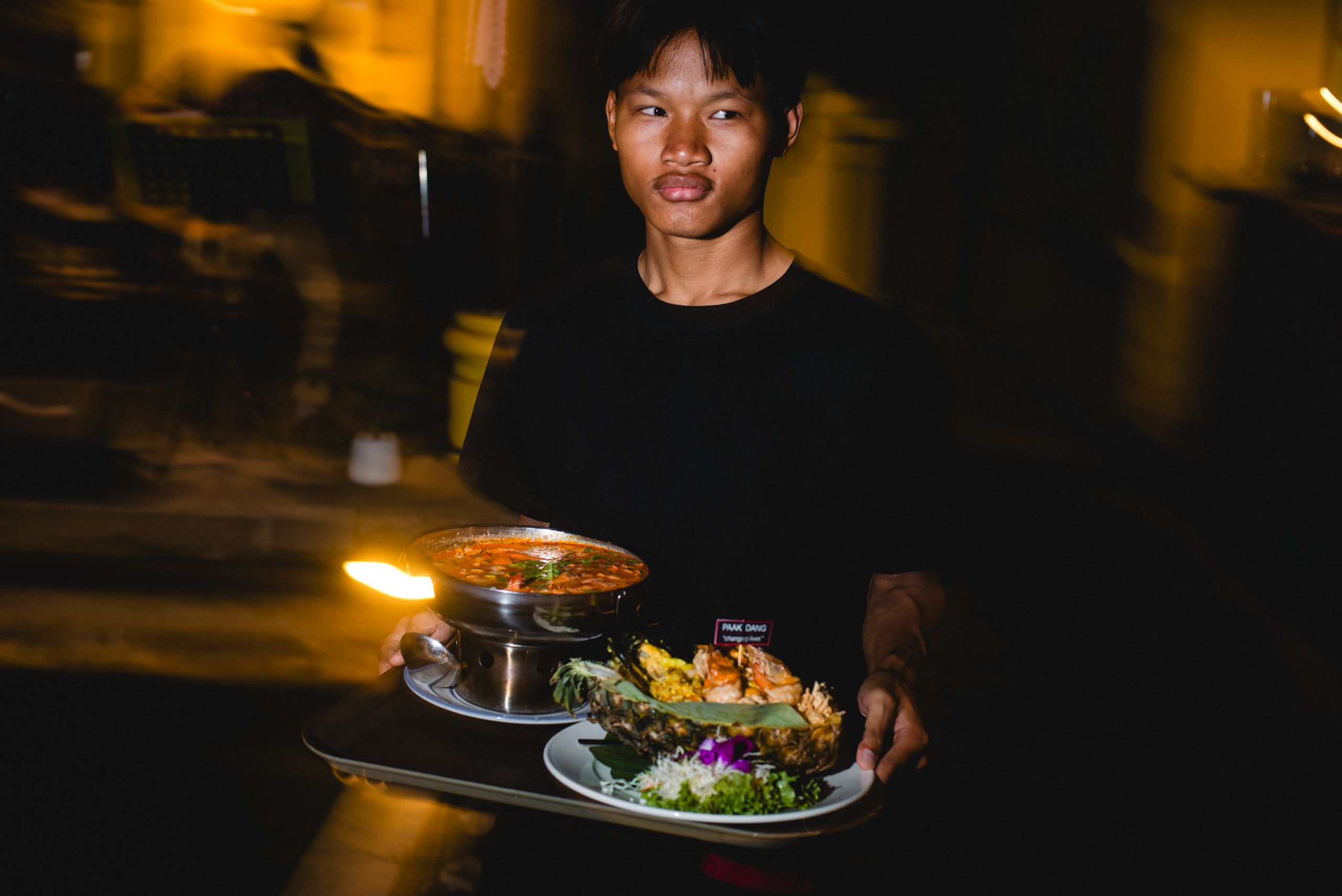

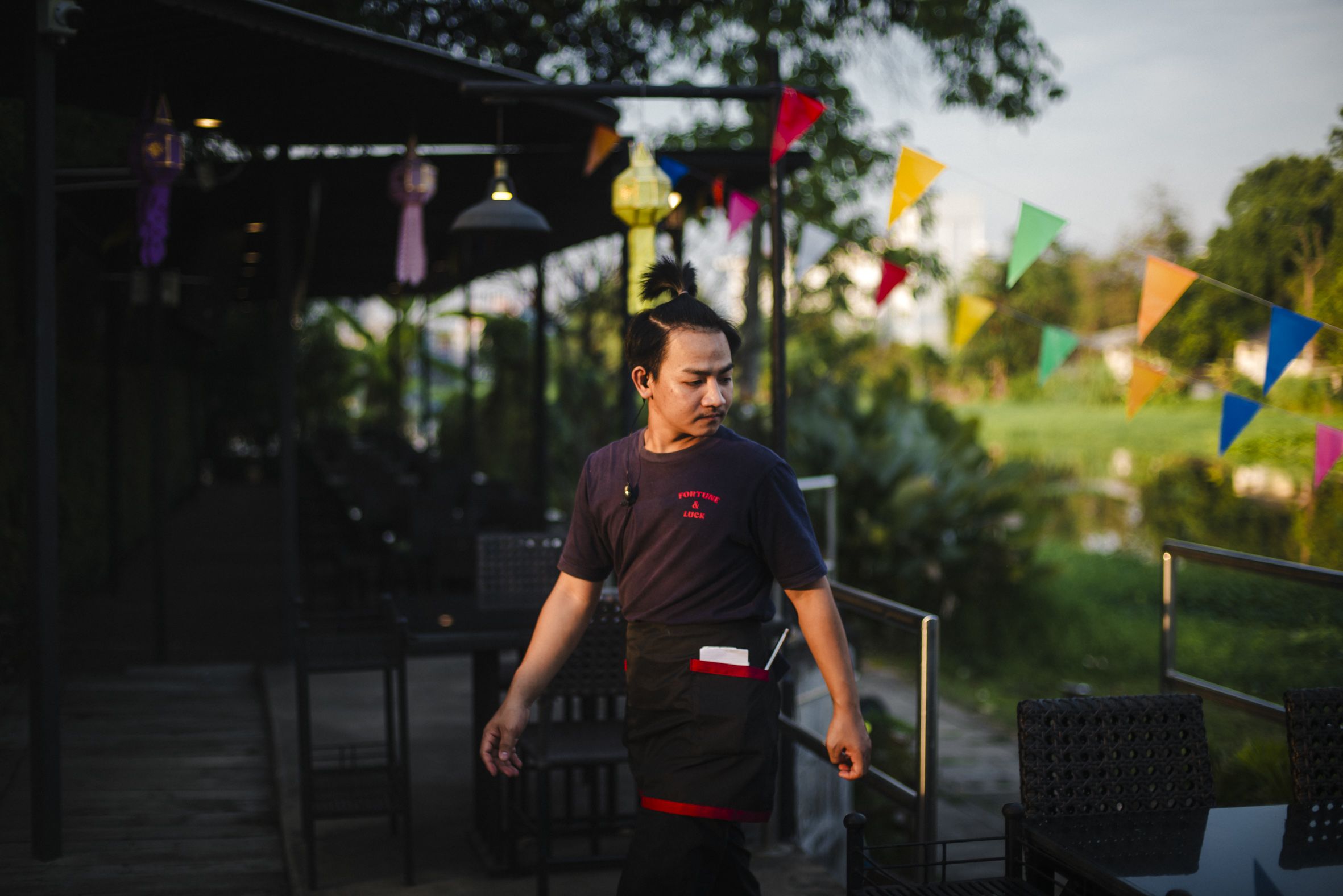

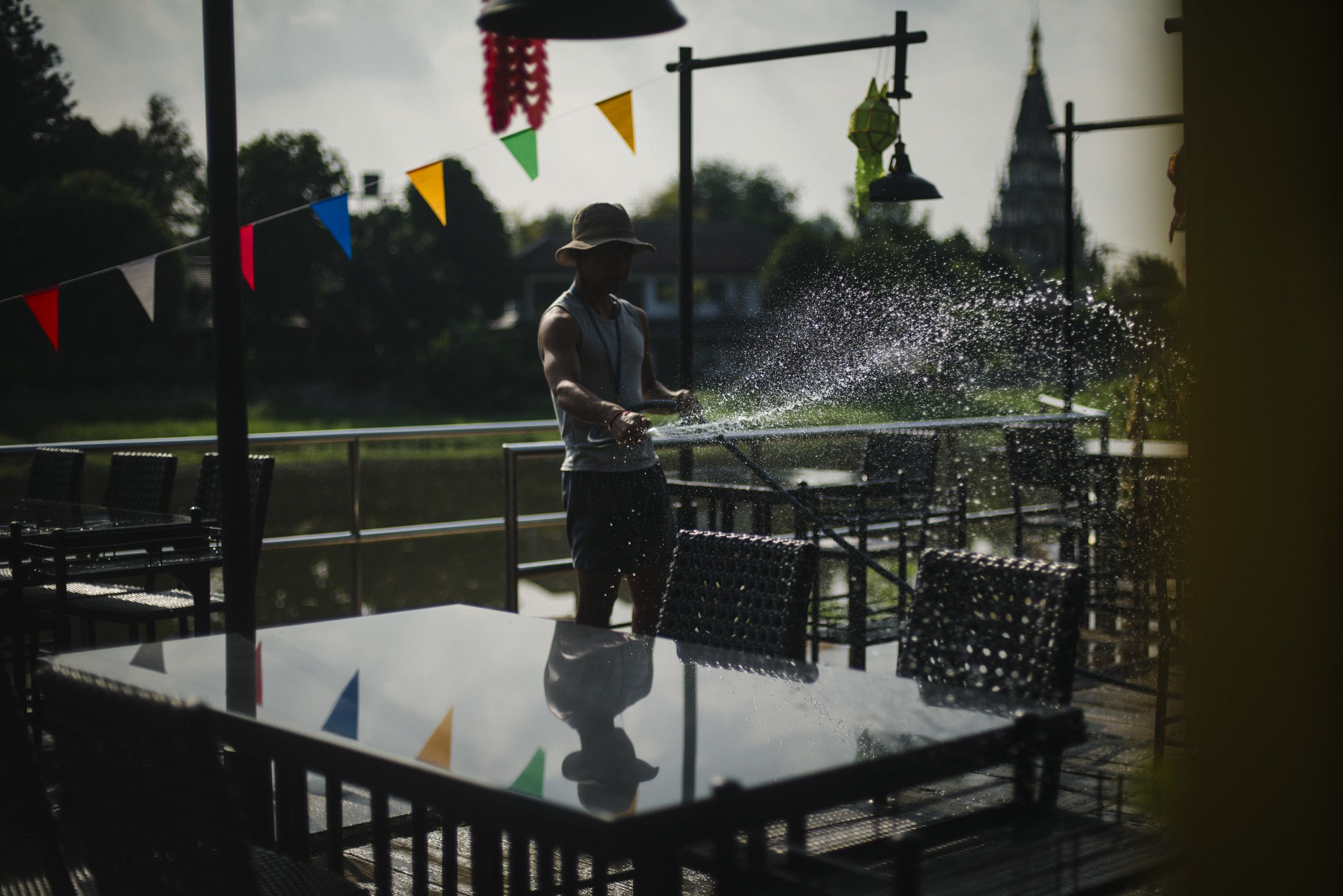
Inside a kitchen, a migrant worker from Myanmar slams balls of minced prawn meat into a mixing bowl. The technique gives the prawn cakes their signature bounce. A few steps away at a frying station, a young chef cooks up morning glory in a three foot-high wok flame. Over at a dining area, a Thai waitress banters with customers — largely a mix of expatriates and tourists — in halting English.
It is 5.30pm on a weekday. The dinner shift at Paak Dang, a riverside restaurant in Chiang Mai, Thailand, has just begun.
Paak Dang, which means “red mouth” in Thai, is known for serving authentic Thai food and its speciality seafood dishes. The restaurant is staffed by a motley crew of ex-offenders and at-risk youths who would otherwise have poor job prospects due to their lack of employable skills.
Among them is 24-year-old Nattapong “Nai” Wongsa, the former head of a notorious gang in Hot, a rural district in southern Chiang Mai. They peddled yabba — a party drug that comprises methamphetamine and caffeine — and frequently got into fights with rival groups.
“My men would do anything for me, and beat up anyone that I didn’t like,” he recounts. “As long as I gave them enough yabba.”
The drug was Nai’s main source of income, but it also caused his downfall. In 2017, Nai was arrested in a sting operation with more than 100 grams of crystal methamphetamine and 200 yabba pills in his possession. Eight years and an equal number of stints in prison later, he left his hometown and joined Paak Dang as a waiter, resolving to keep on the straight and narrow.
“Without Paak Dang, I would surely be in a jail cell,” he says. “Now, my life is good because there are no more problems.”
The restaurant is the brainchild of 51-year-old Singaporean K-Lin Lim, a former junior college economics teacher. She contends that the routine of restaurant work helps keep her young employees out of trouble.
“Here, work ends at midnight and all that’s left to do is have supper and a beer with your colleagues,” she says, adding that most of the city’s bars and clubs are closed by the time they leave the workplace.
Read on to discover the crew's inspiring journey.


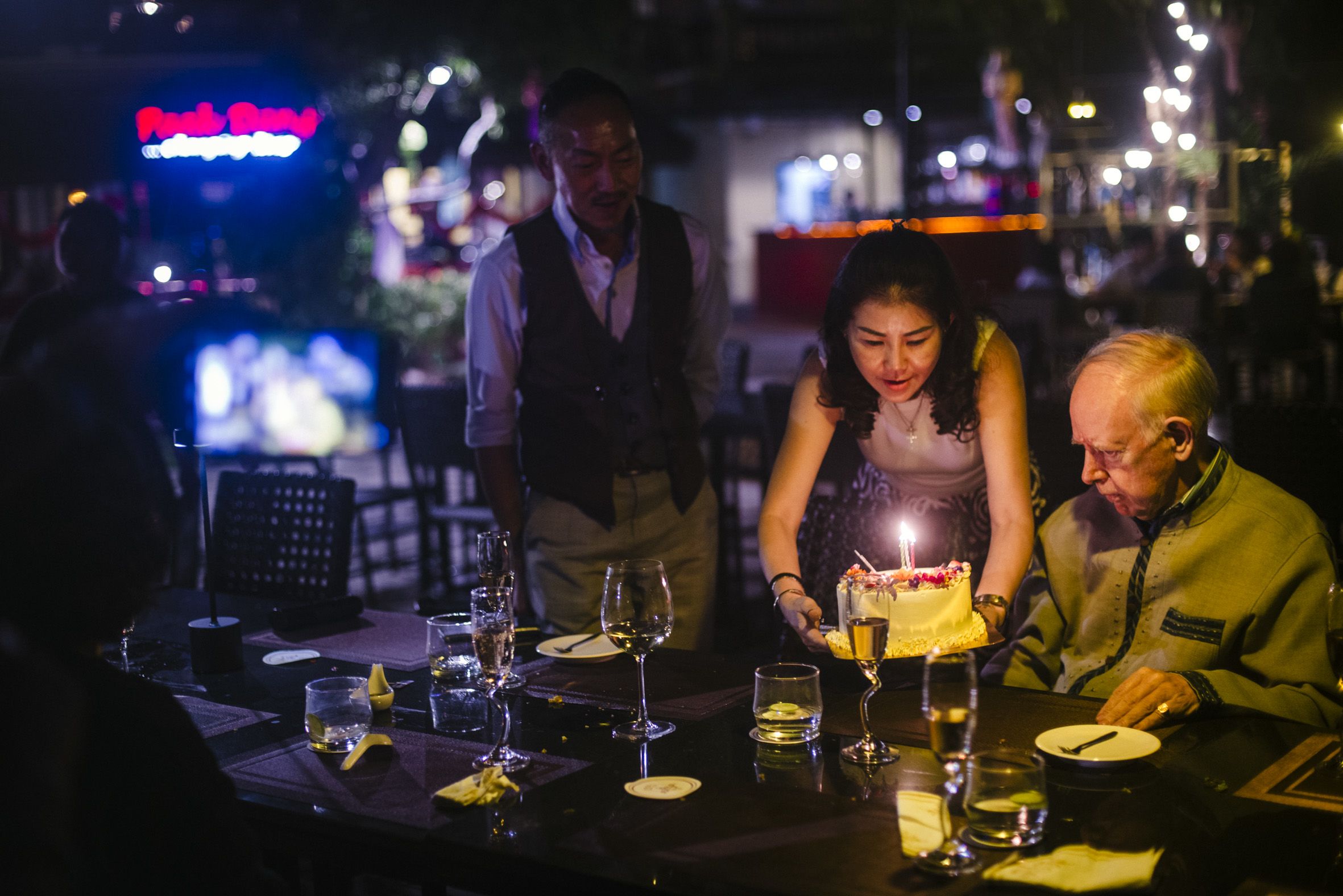
“Paak Dang is a safe haven because we keep all this unhealthy, undesirable stuff out of the restaurant.”
K-Lin Lim
Owner

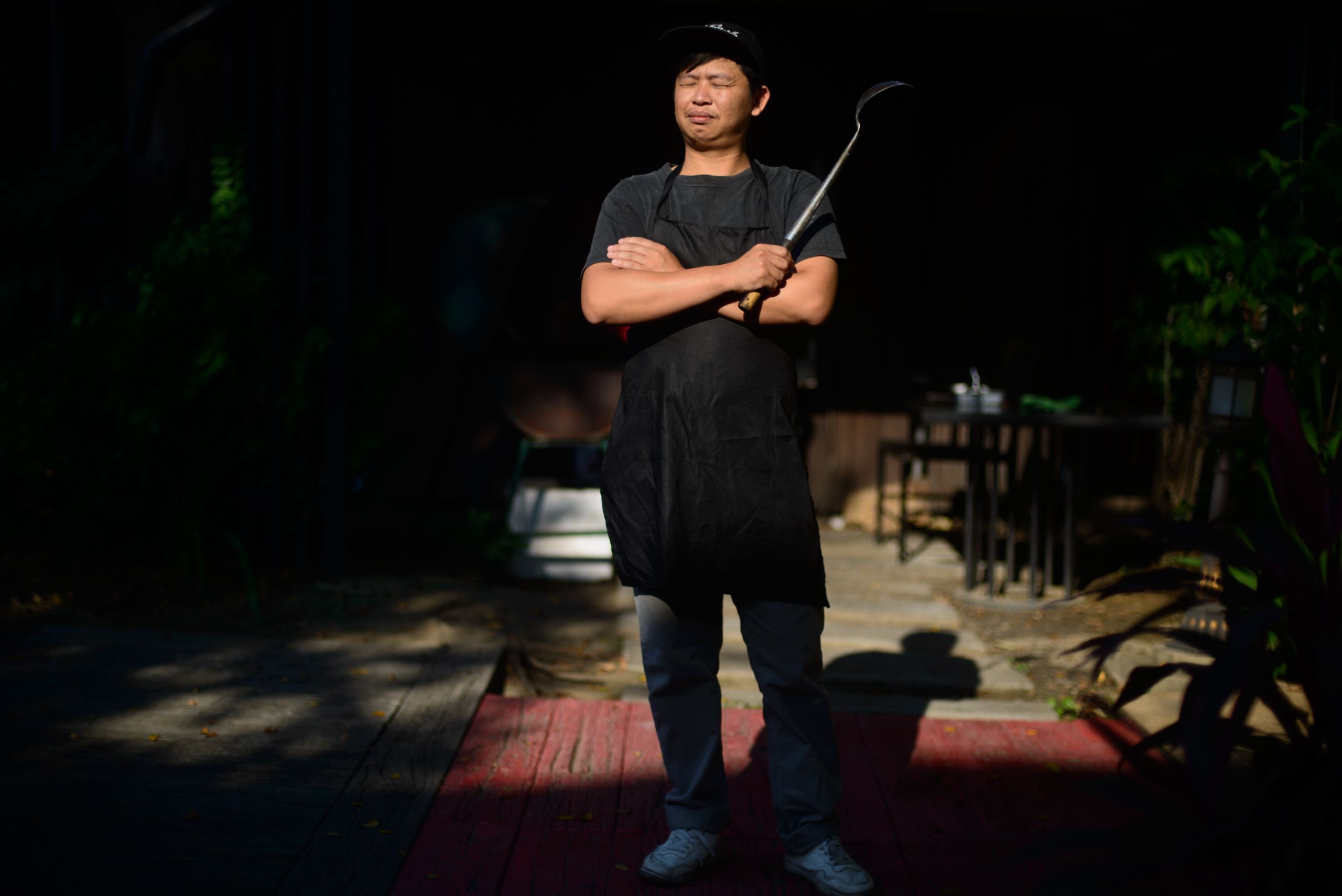
“It’s like a family here.”
Ja Tee Lay
Chef

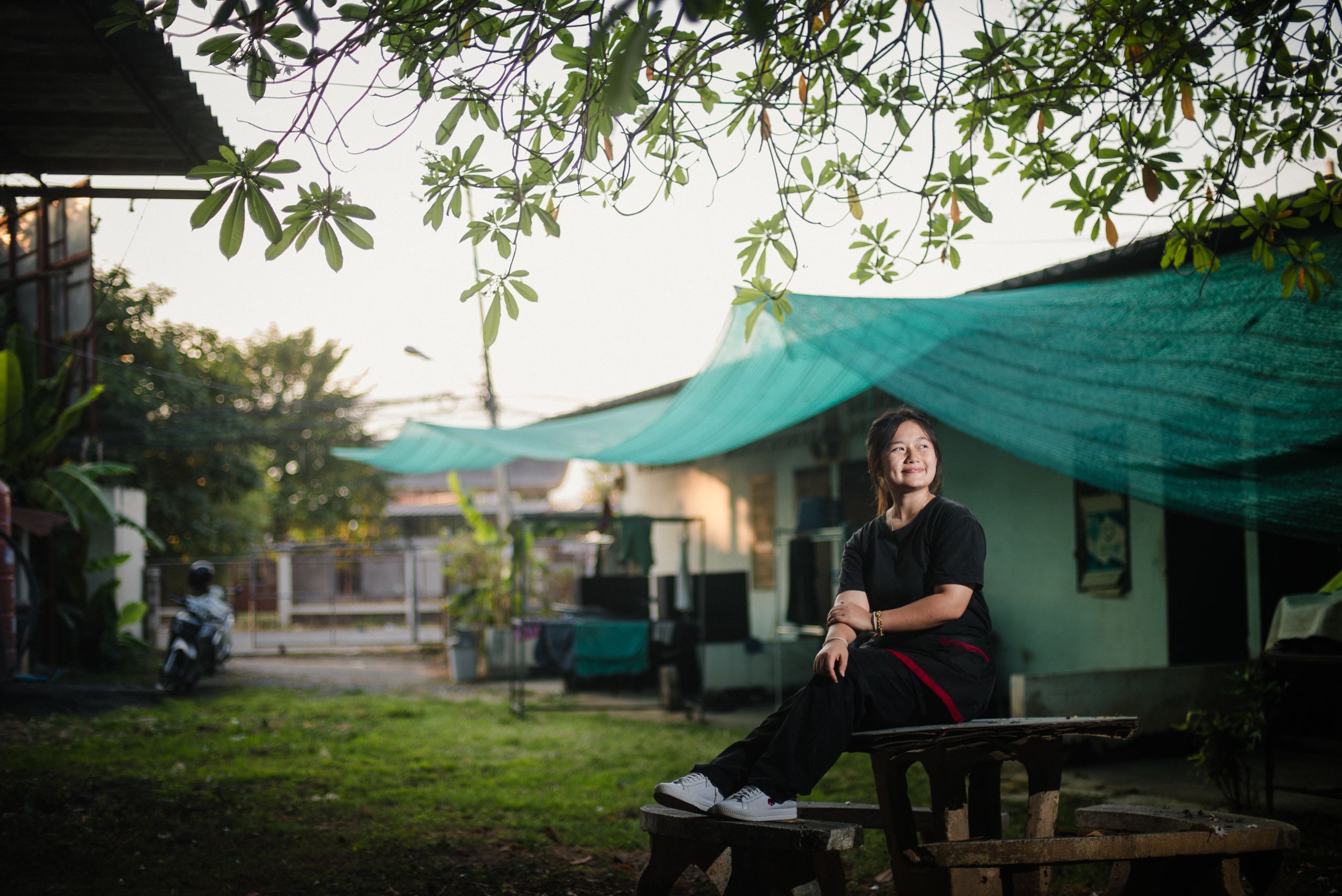
“I really want to try other jobs. But I have fallen in love with this place, so, I’m in two minds.”
Chanatip "Mae" Jatupornsaleebut
Waitress


“Now, I get to speak English in a real-world environment. It has helped me a lot when I have to do my homework.”
Chanidapha "Nicha" Kitjanamit
Waitress
Skills over Books


K-Lin's journey in Thailand began in 1999, when she was still teaching.
Back then, she led an annual volunteer programme where Singaporean students taught English and mathematics workshops to students in northern Thailand’s Hmong villages.

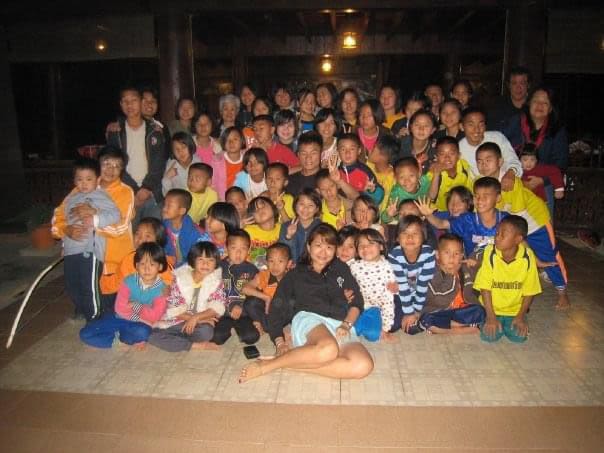
K-Lin with children from the Hmong village, along with her parents and her children.
K-Lin with children from the Hmong village, along with her parents and her children.
There, she witnessed a prevalence of unplanned pregnancies, unemployment and opium addiction.
After that, K-Lin returned on more than 30 volunteer trips with family and friends to support the Hmong community. She learnt how to speak fluent Thai, and sponsored the university education of four local children, with the conviction that this would help level the playing field for them.
She recalls collecting donations from her friends to fulfil the Christmas wishes of 70 kids.
The mother-of-two was brought to tears when she noted that instead of typical gifts such as toys and gadgets, the children requested practical items such as school supplies.
“That really showed me how privileged we are and gave me the push to do even more,” reflects K-Lin.
Then in 2011, she sold her two businesses which she had started after her teaching stint, and eventually moved to Chiang Mai with her two teenage kids.
“I had all this money, but I was not happy,” she says. “I wanted to throw away the luxuries and lead a simple life, kampong-style (village-style).”
With her savings, she purchased a house 40 minutes south of Chiang Mai.
She then reconnected with the Hmong children whose university education she had sponsored. She was shocked to find out that two of them were working in the paddy fields after failing to secure jobs upon graduation.

“That Singapore-style thinking that a university education will break the poverty cycle was not relevant here,” she notes.
According to a 2023 youth unemployment study by Chulalongkorn University and UNICEF, more than 75 per cent of Thai university graduates said they were unable to find jobs.
She adds that other village kids who had enrolled in trade schools were employed as car mechanics and tailors.
“What if I hadn’t meddled and given out scholarships?” muses K-Lin. “They might have gone on to trade school and been fine.”
“I started to have sleepless nights. It was my responsibility to make things right,” she adds.
Whatever visions she had of a quiet retirement went unrealised. Instead, she began sketching out plans for a business with a social mission, which could provide training and employment for youths.
So in 2015, Paak Dang opened its doors, serving homely local dishes, prepared by youths who are trained by professional chefs.
On the Menu
Grilled River Prawns
Because of their size, these prawns have to be caught by hand by villagers in Southern Thailand and Sri Lanka. Paak Dang purchases these ingredients to support local farmers.
Cashew Nut Chicken
True to Paak Dang’s ‘Mom’s cooking’ theme, this dish is designed to elicit an emotional response. “If not, we will change the dish,” says K-Lin.
Jungle Honey Pork Ribs
This is one of the hardest dishes to perfect because it requires many steps to achieve its fall-off-the-bone tenderness. K-Lin says this creation is a testament to the restaurant’s commitment to producing good food.
Second Chances

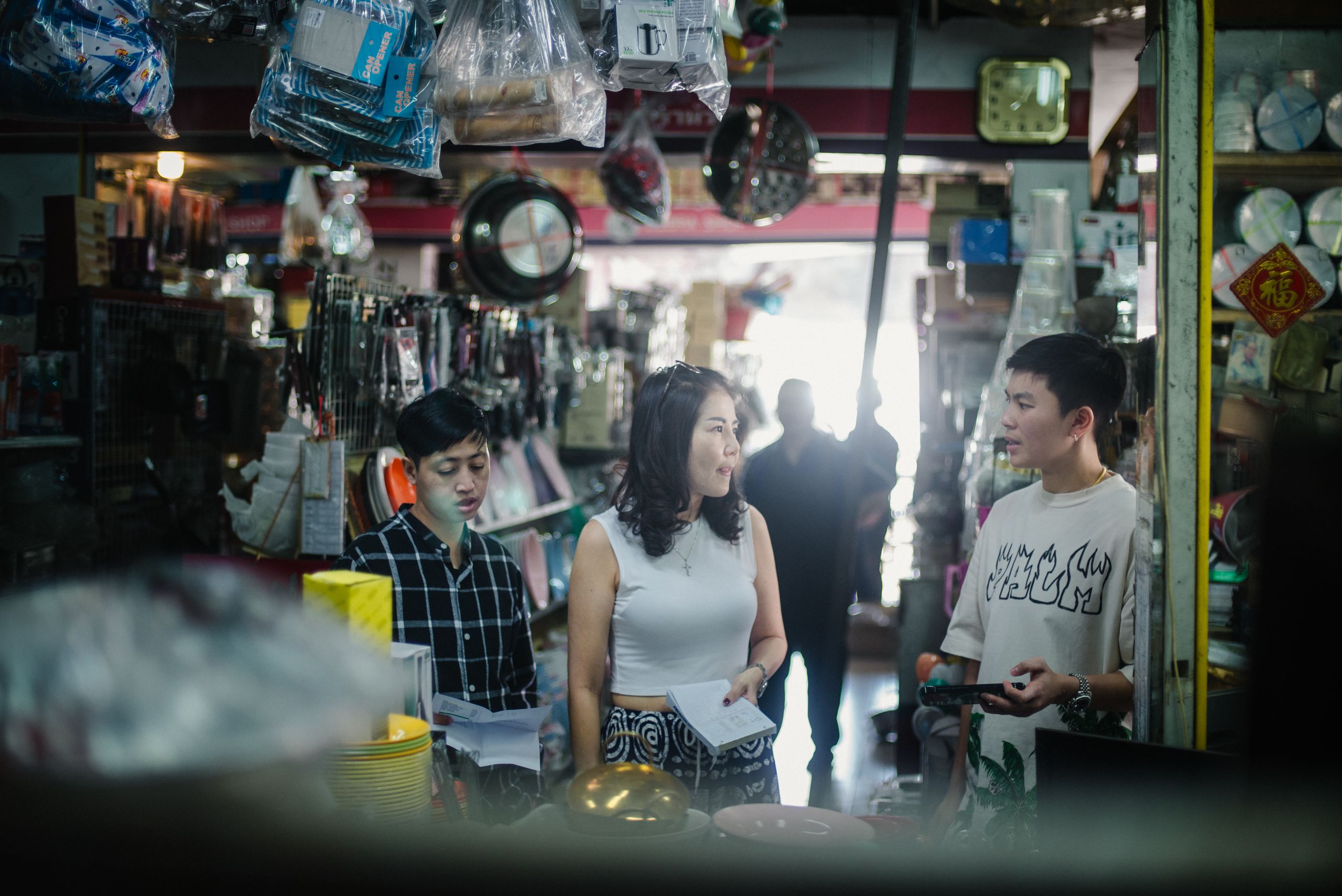
Just as their menu is packed with flavour, Paak Dang’s ranks are peppered with stories of self-improvement and second chances.
There’s 21-year-old Burmese Kam Jing, who works at two different restaurants to pay off the loans her parents had taken to run their soybean farm back home.

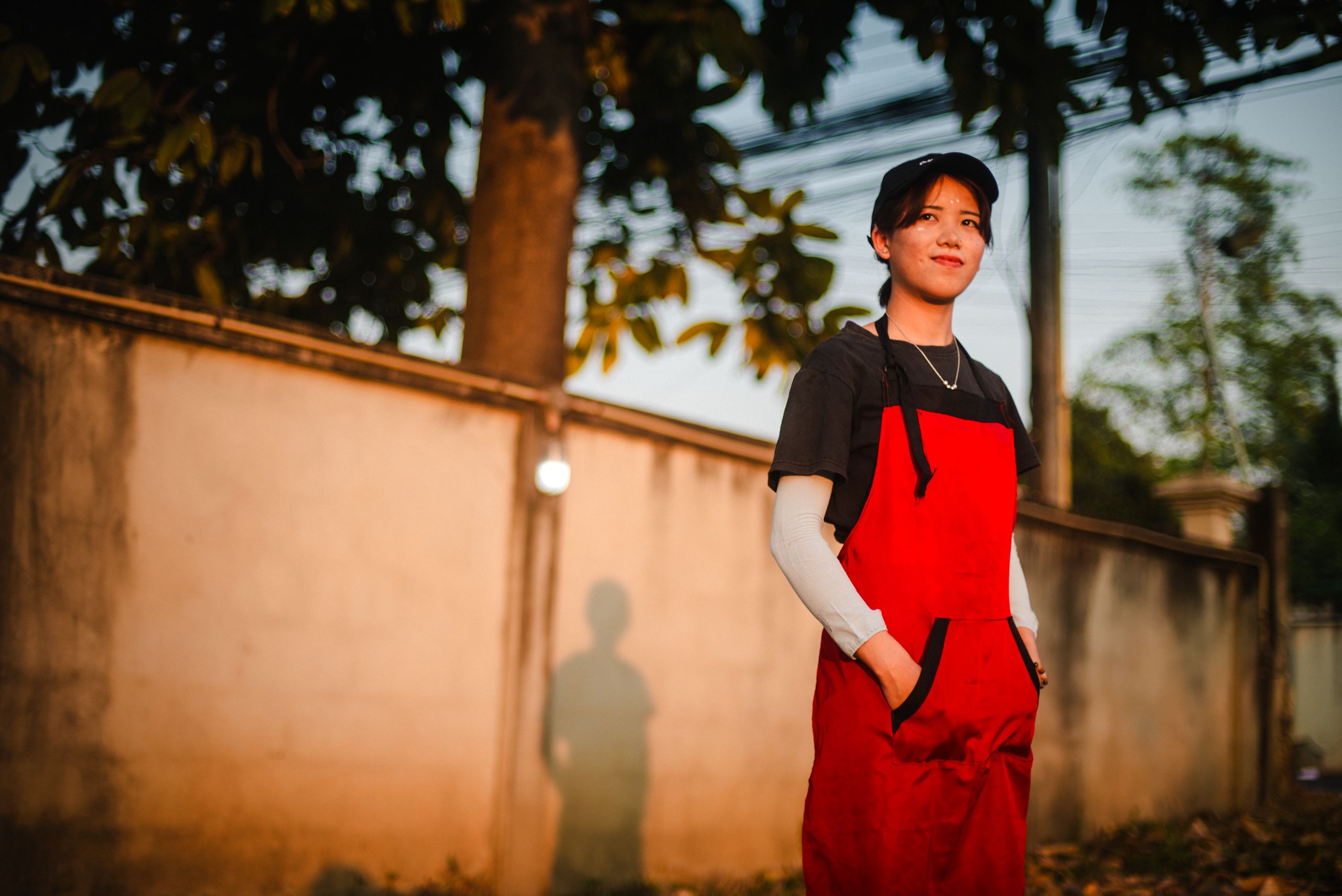
Kam Jing has memorised the ingredients to every single dish on Paak Dang's menu.
Kam Jing has memorised the ingredients to every single dish on Paak Dang's menu.
Chanidapha “Nicha” Kitjanamit, an 18-year-old food and nutrition student at Chiang Mai Vocational College, relishes the opportunity to practise her English as a part-time waitress. K-Lin granted her an interest-free loan to help foot her school fees.


Then there is Nai, whose days living in a cramped jail cell with 50 fellow inmates are over.
He now stays in one of the restaurant’s staff dorm rooms. The rent is paid off with two extra hours of work per day.
His family, especially his mother and grandmother, are grateful to K-Lin for giving him a fresh start. They invite her to lunch at their home as a token of appreciation.
Hot-bed of Crime

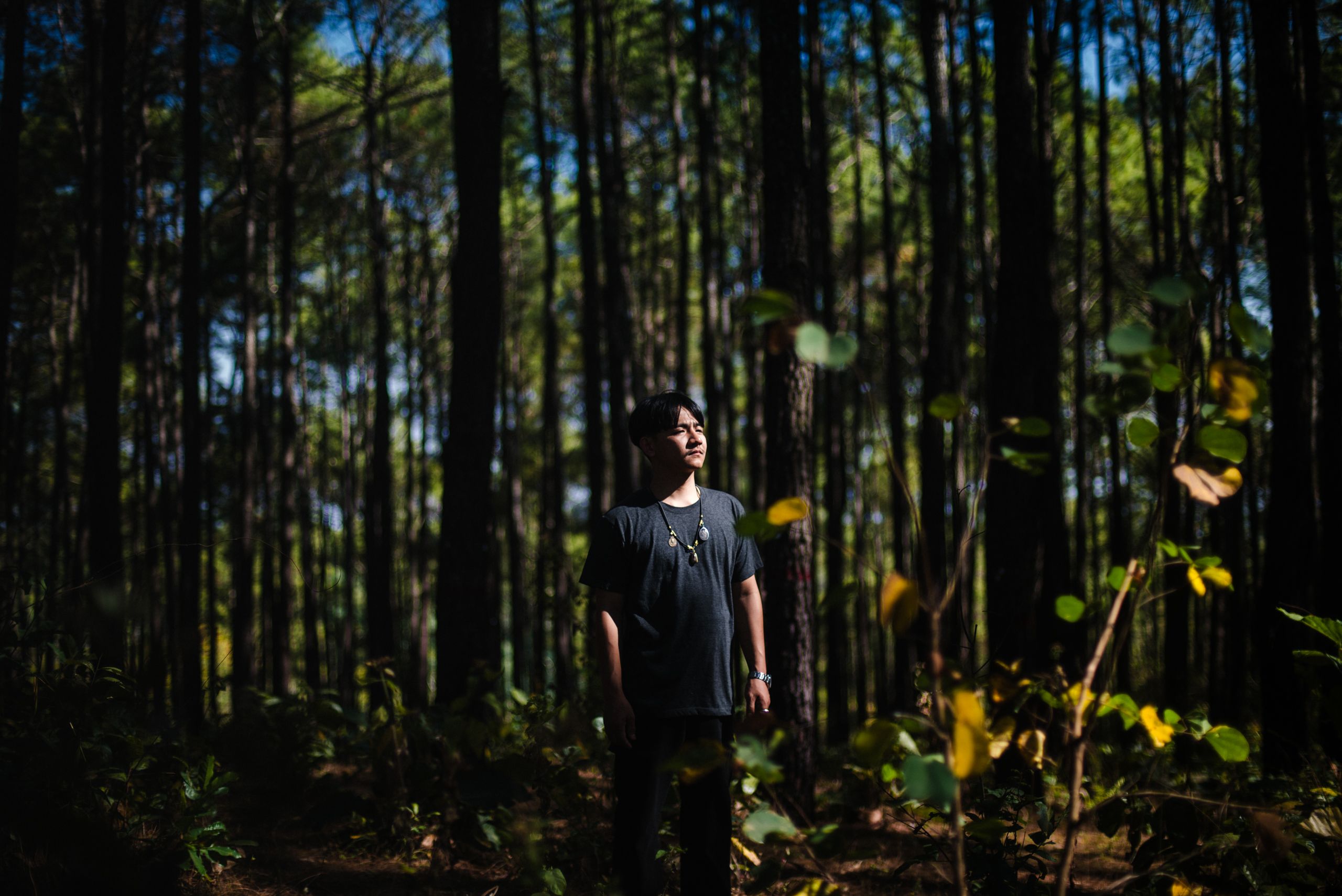

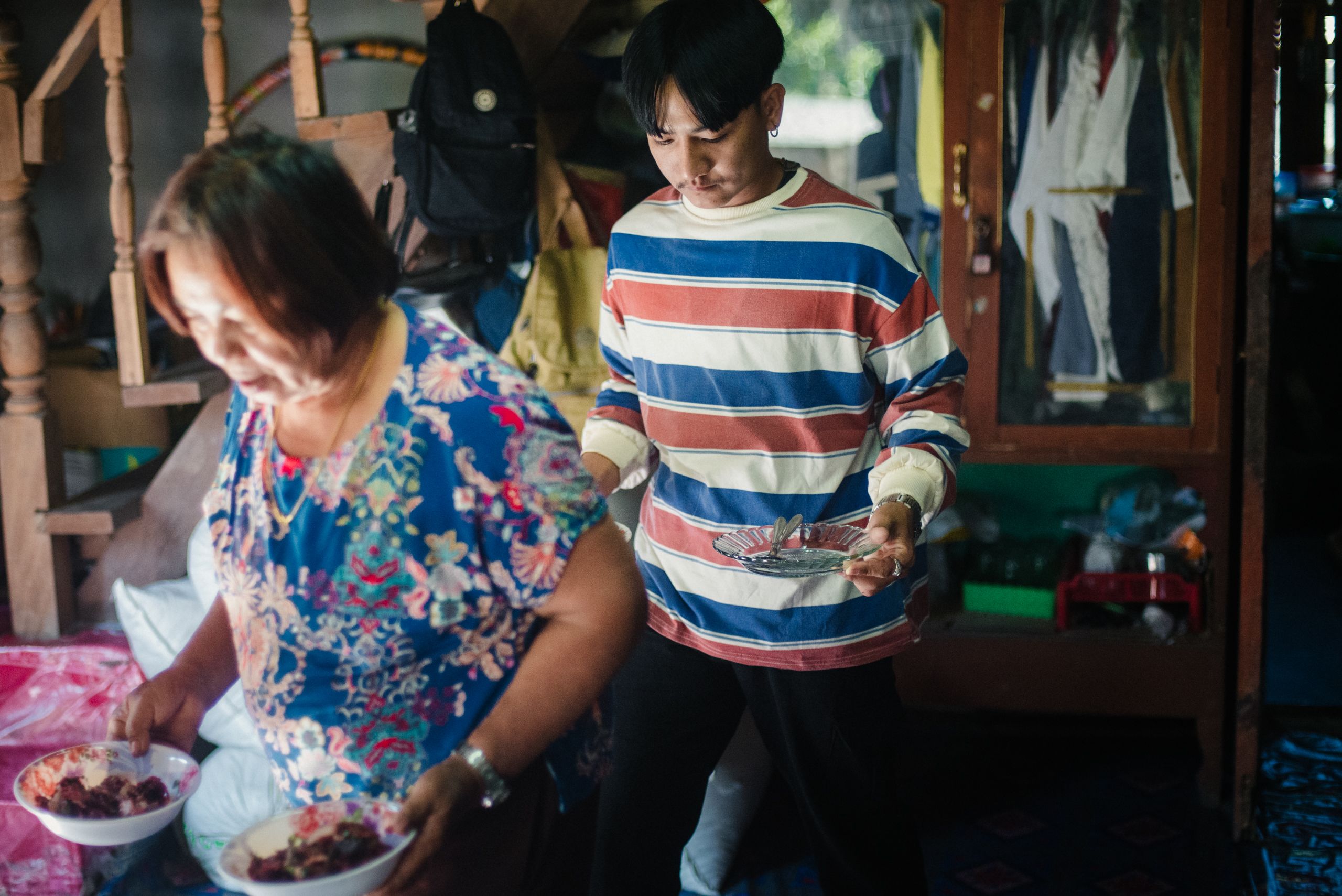


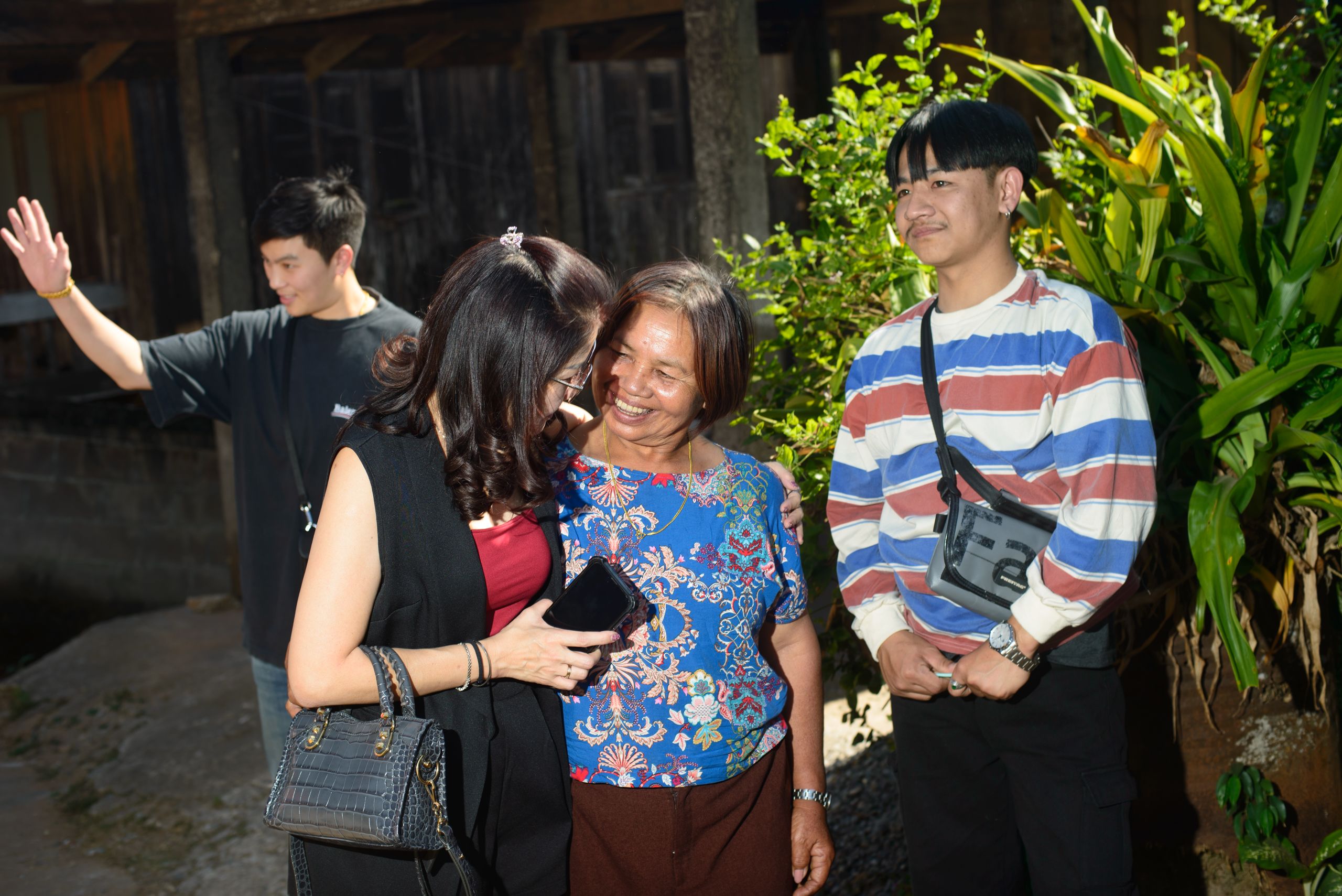
The two-hour drive to Nai’s hometown, Hot, takes K-Lin to a world away from the buzz of Chiang Mai’s restaurants, hotels and malls.
Here, there are flowing rivers, snaking roads and a towering pine forest. Small spots of heat-induced fires on the horizon signal the end of the cold season. But beyond that, not much is happening. With a lack of businesses and job opportunities, it is easy to see why youths turn to crime.
Here, illegal jobs like drug peddling have become attractive alternatives to farm work. This is fuelled by the area’s proximity to the notorious drug-smuggling region known as the Golden Triangle.
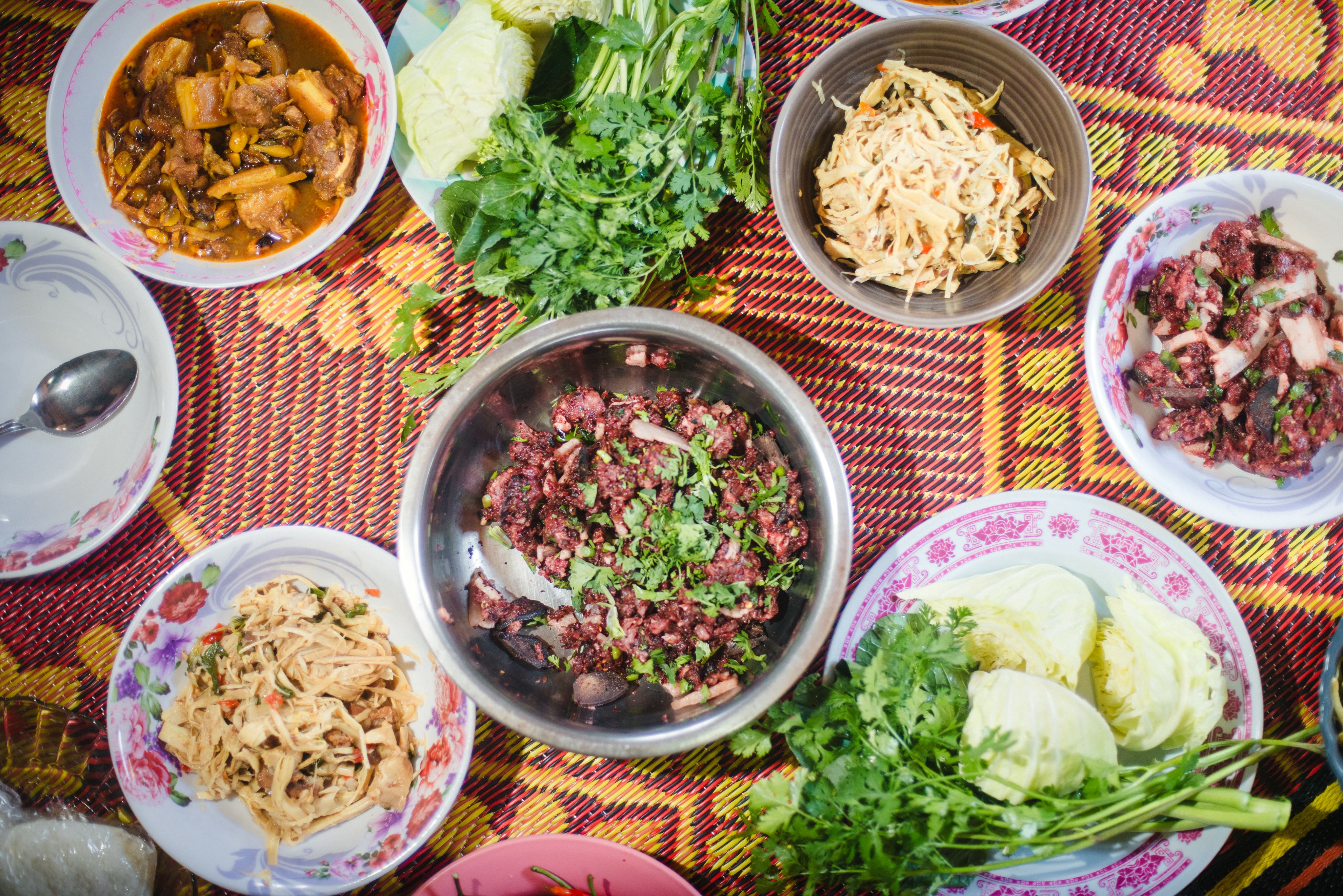
Over a home-cooked lunch of larb moo (raw pork cured in lime and chilli) and freshly harvested mountain rice from the family’s paddy fields, Nai’s grandmother, Giangkham Tuitiam, tells K-Lin about Nai’s troubled past.
Back then, the police would raid their home several times a month to search for her grandson’s drug stashes. Most of these episodes would end with Nai in handcuffs. “I was always worried over when the police would come knocking on our doors again,” says Giangkham.
“When he was selling drugs, I never saw a single baht from him, “ says his mother Sukanya Wongsa. “Now, he sends home 4000 baht (US$113) each month.”
While optimistic about Nai's future, his family is fearful that his past may catch up with him.
“Please take care of him,” says Giangkham to K-Lin. “I still fear that he will mix with his old friends again.”
Lessons for Life
Paak Dang might be a safe space for wayward youths. But beyond its doors, the lure of drugs, jackpot machines and gang activities linger.
K-Lin is all too familiar with this. In January 2024, one of her waiters abandoned his task of serving tables when he received an urgent offer from a friend to help sell a batch of yabba pills. He was arrested by plain clothes police officers that night.
“These links with bad social circles are not easily broken. It will take time for them to build up a new life,” K-Lin says. “Paak Dang is a safe haven because we keep all this unhealthy, undesirable stuff out of the restaurant.”

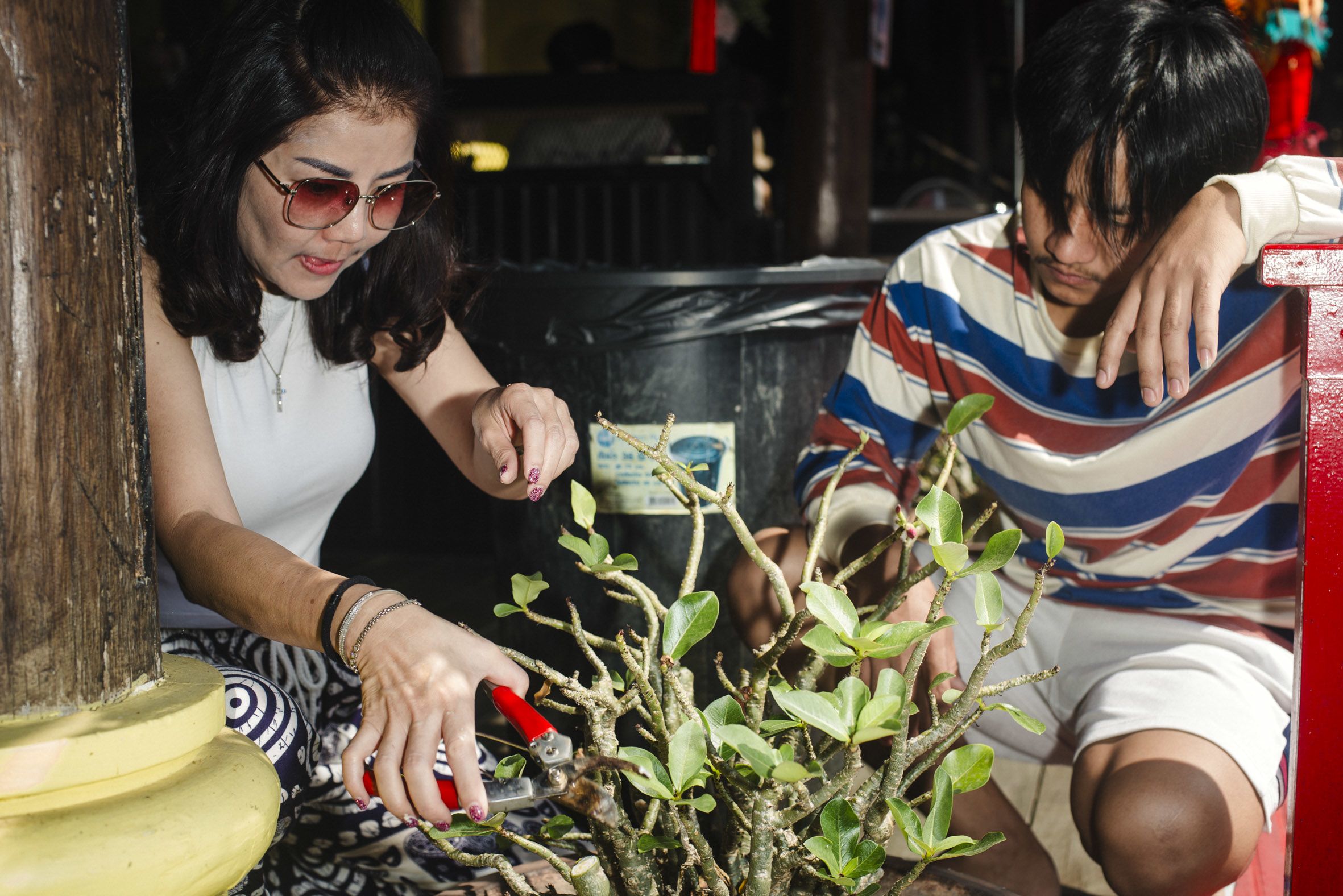
K-Lin showing Nai how to prune the plants around the restaurant.
K-Lin showing Nai how to prune the plants around the restaurant.
To prevent repeats of such scenarios, K-Lin conducts random drug tests on male employees. She has also implemented a three-strike rule to establish boundaries.
“It has to be a partnership. They have to do their part,” asserts K-Lin.
This combination of tough love and support has been instrumental in spurring K-Lin’s employees to chase their dreams.
For instance, former employee Kanataphat “Beer” Kanetworaphak, now runs a successful tattoo studio specialising in sakyan (traditional religious tattoos).

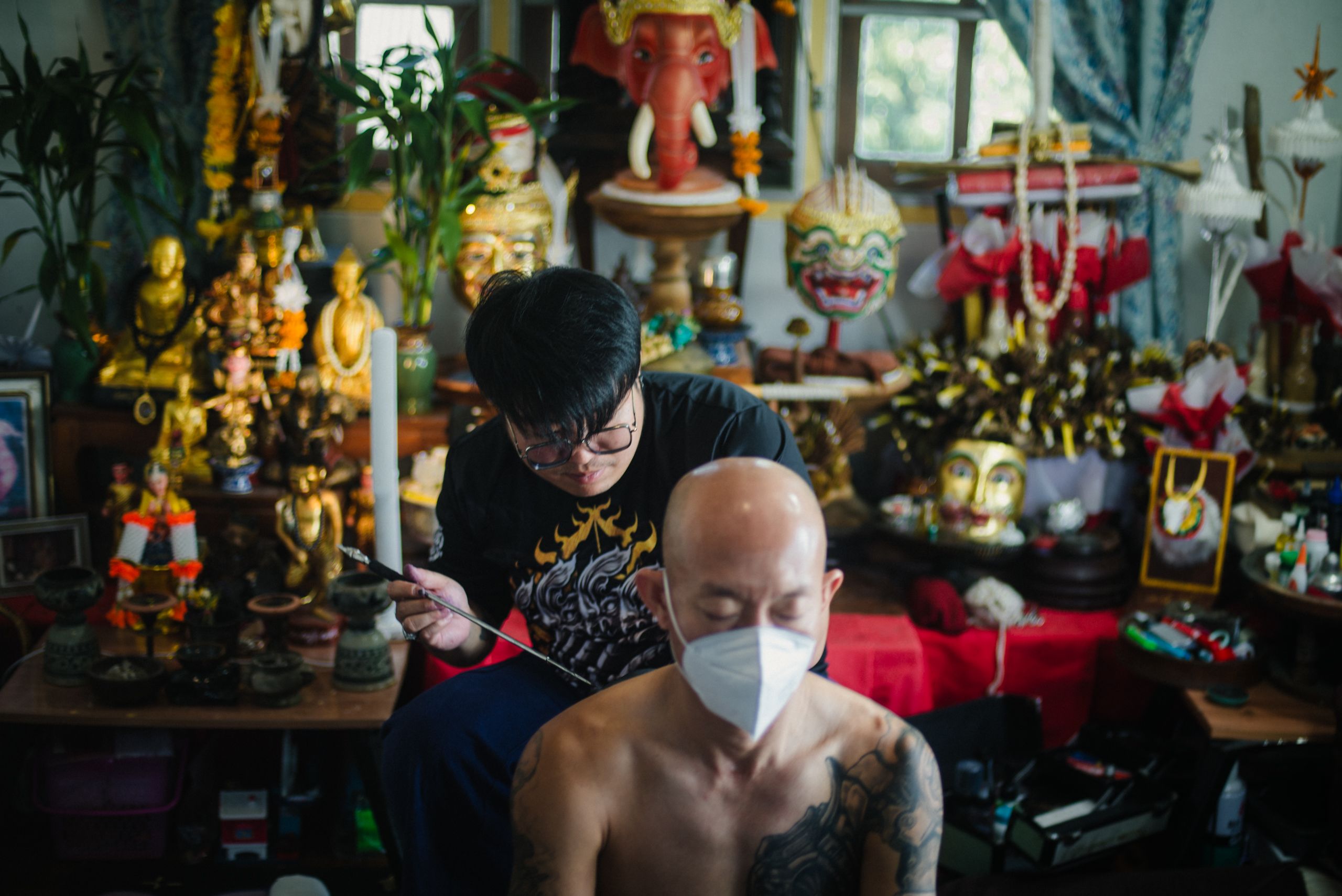
Beer credits his ease with foreigners to his time at the restaurant. “At Paak Dang, I met people from all walks of life,” he says. “I learnt how to interact with people and fit into society.”
Working at Paak Dang also taught him time management. “Westerners are very punctual. If I screw up my schedule, my reputation is gone.”
Beer’s success beyond Paak Dang is a win in K-Lin’s books.
“This is an intended outcome of our mission — if they walk out of Paak Dang better people, more skilled and ready to face the world.”
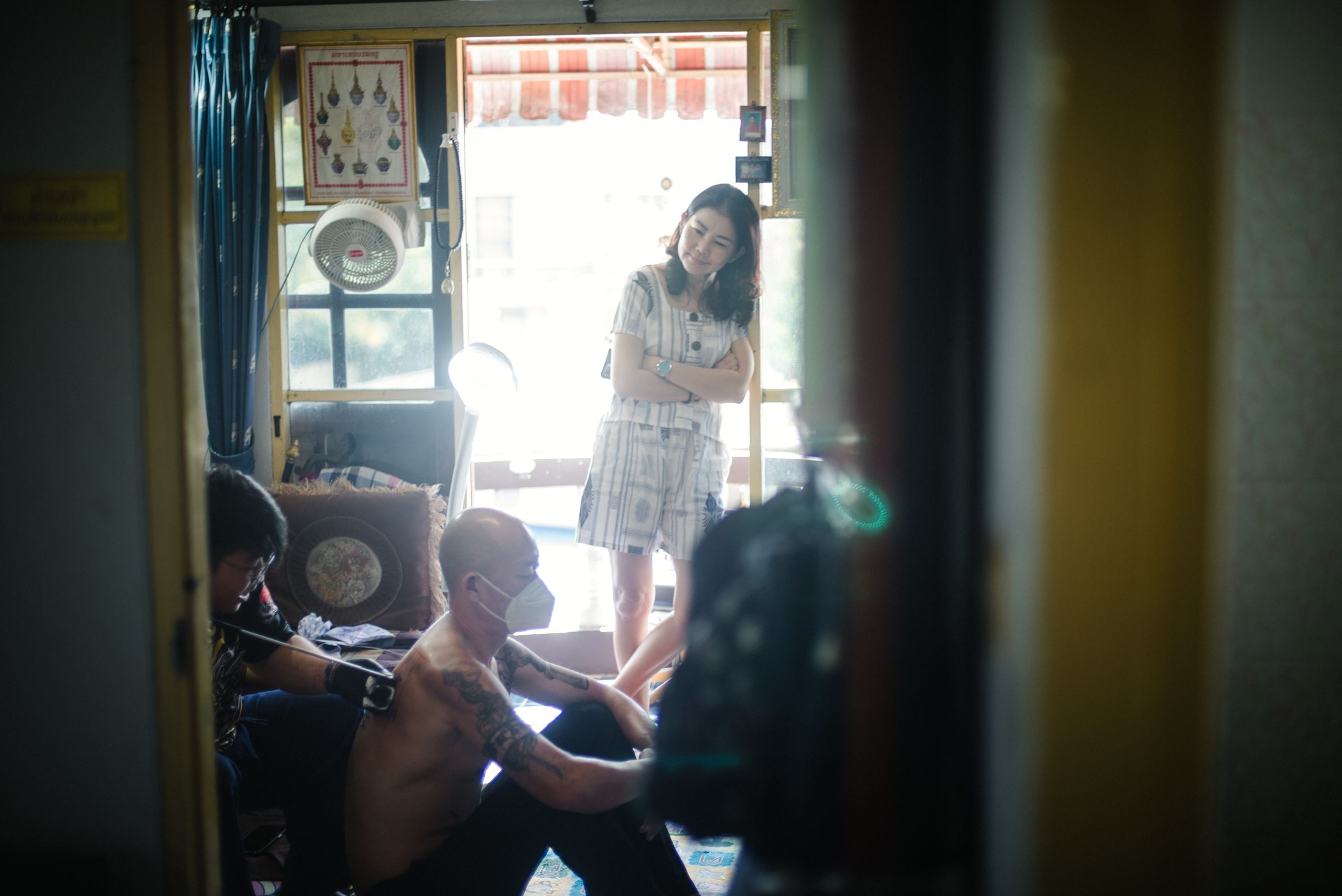
K-Lin looks on as Beer works in his studio. She considers him one of Paak Dang's most successful "graduates".
K-Lin looks on as Beer works in his studio. She considers him one of Paak Dang's most successful "graduates".
Beyond the Kitchen
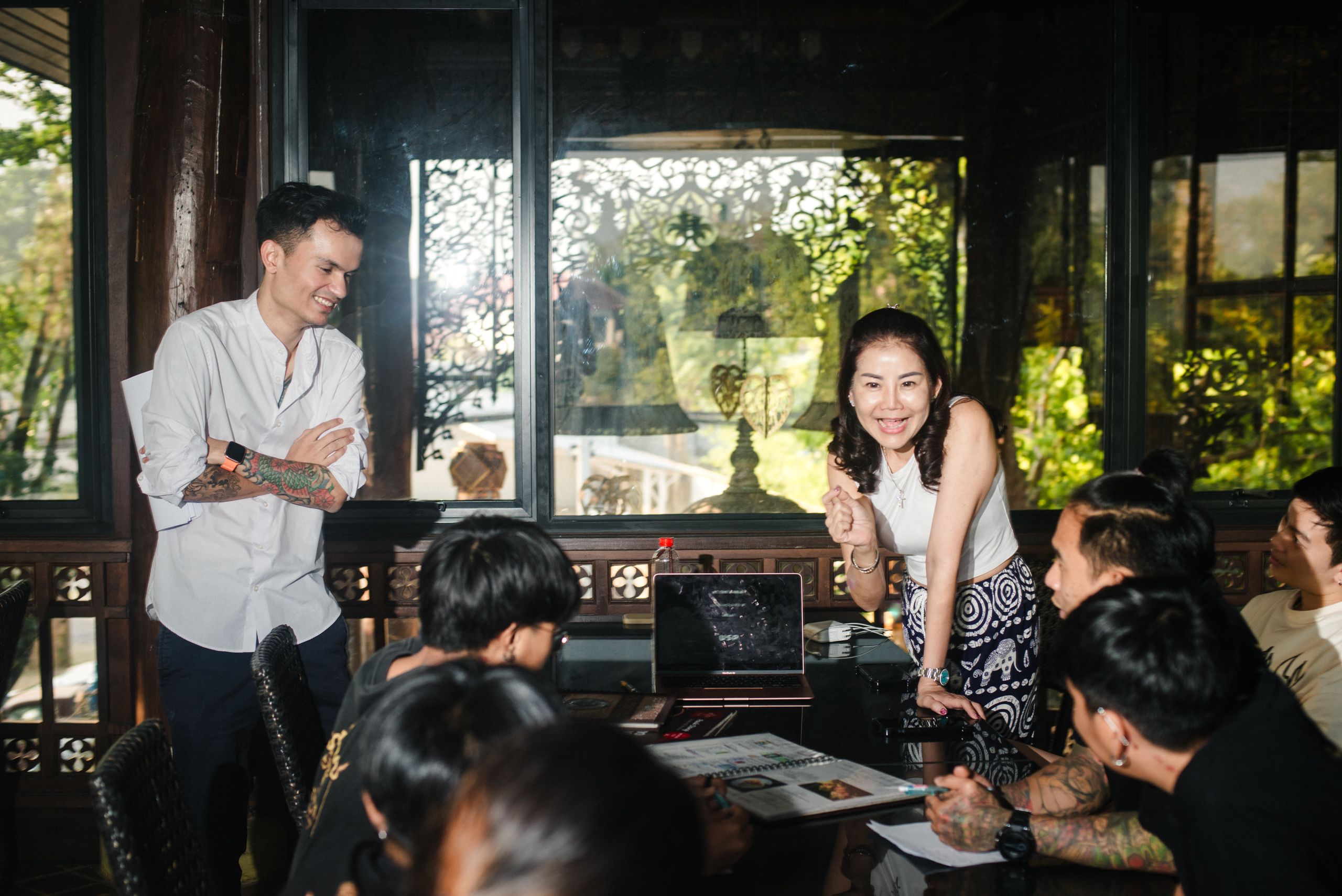
Micky Sethi, a lecturer at an international school, volunteers as an English teacher at Paak Dang.
Micky Sethi, a lecturer at an international school volunteers as an English teacher at Paak Dang.
Besides honing their skills at work, Paak Dang’s staff have other opportunities to learn new things, with the help of volunteers engaged by K-Lin.
These include Micky Sethi, a lecturer at an international school in Chiang Mai. He began giving English lessons to staff after dining at the restaurant.
Lessons are conducted in the afternoon, when Paak Dang’s second-floor dining hall is transformed into a classroom. Micky teaches them common phrases such as, “Please follow me to your table”, “Can you take spicy food?” and “Can I get you a taxi?”.
The students listen attentively as Micky and K-Lin role play different scenarios they might encounter at the restaurant, jotting down English sentences alongside notes in Thai.
“We also welcome volunteers who want to teach skills like nail treatment and hairdressing,” says K-Lin. “Although they are not related to restaurant work, these are skills that might help the staff start businesses in the future.”


The staff learn phrases that they can use to interact with the restaurant's patrons.
The staff learn phrases that they can use to interact with the restaurant's patrons.
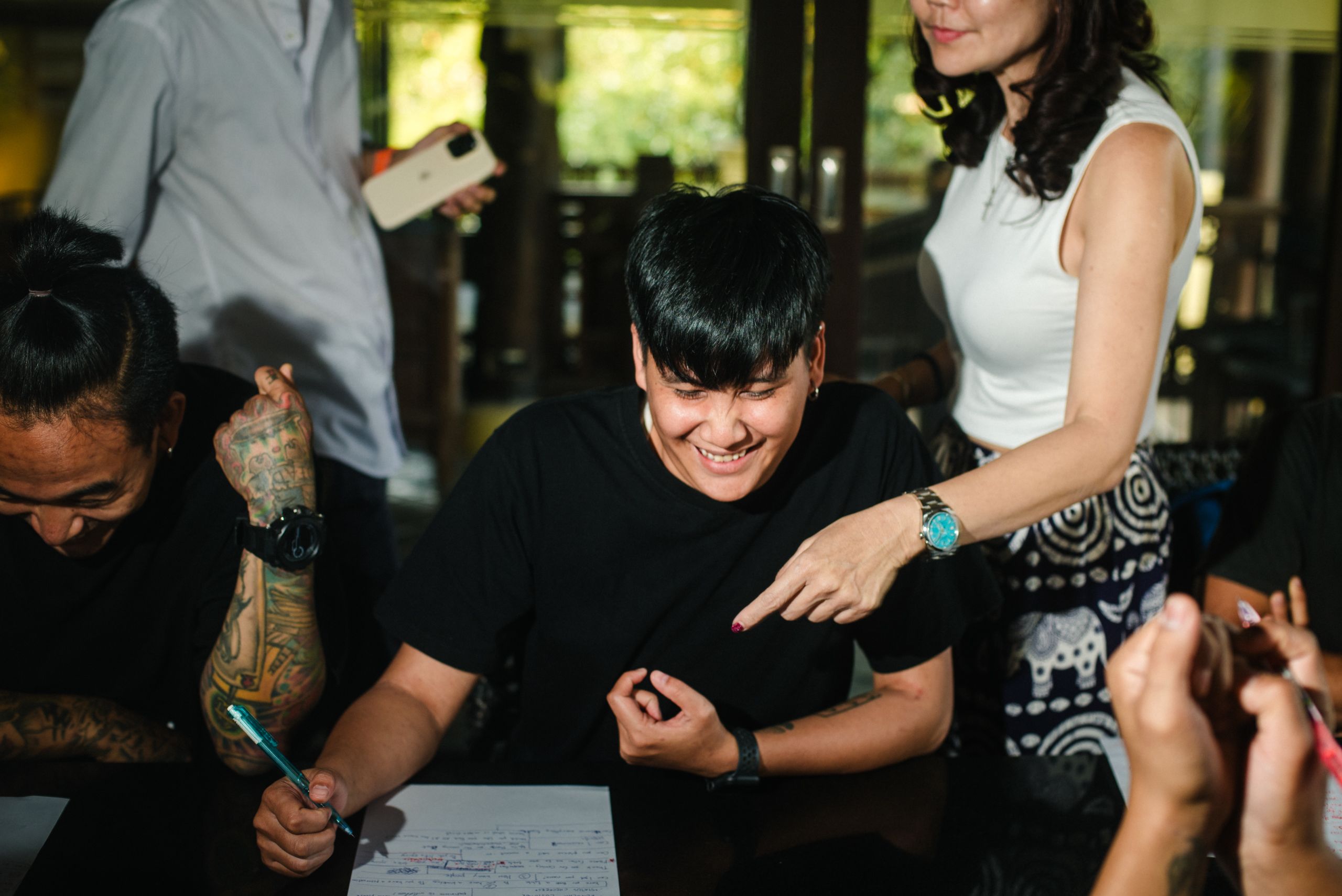
Praew, getting pointers from K-Lin during an English lesson.
Praew, getting pointers from K-Lin during an English lesson.
New Beginnings

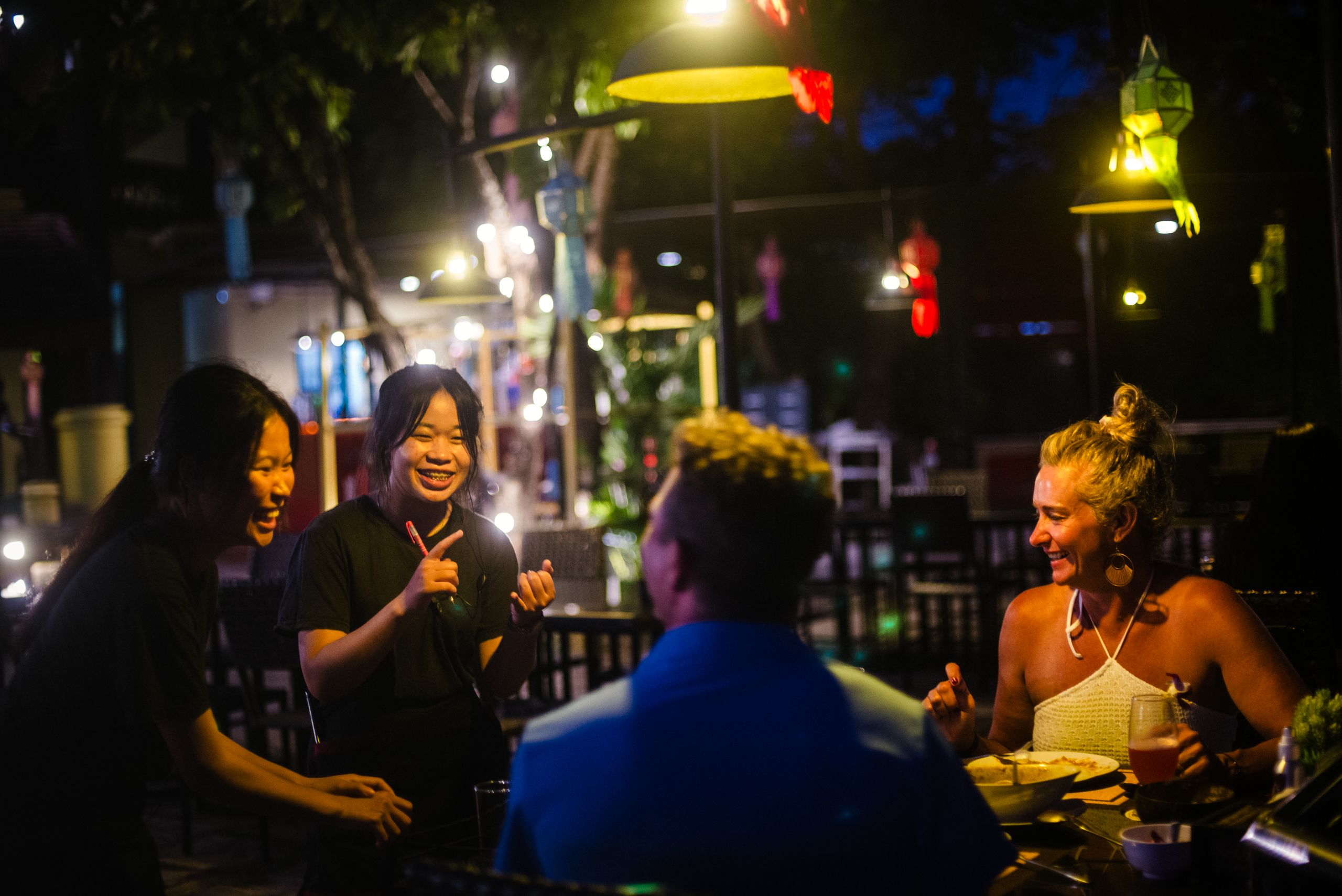
“Thank you for coming to Paak Dang, can I get you a taxi?” Nicha asks the restaurant’s last customer for the evening.
It’s 10 pm. Work has ended and the Western pop songs that have been piped through the restaurant’s speakers give way to Thai rock favourites.
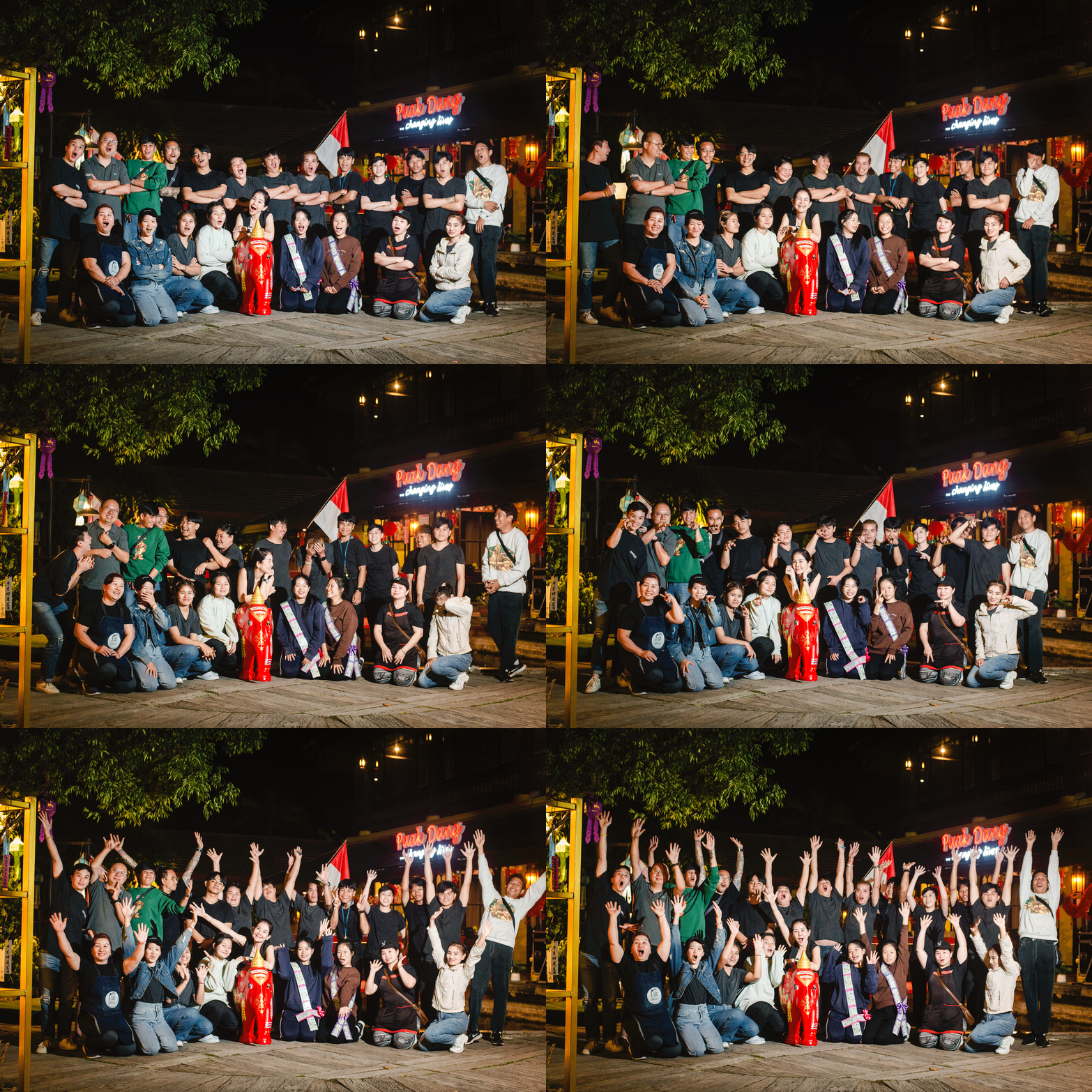
Paak Dang’s crew is celebrating Nicha and her colleague Ing Lungaong’s graduation from vocational college with a mookata (Thai-style barbeque) party.
The crew raises toast after toast of local beer as they sing and dance along to YouTube videos. Nicha and Ing are presented with customary graduation sashes containing cash, to their colleagues’ loud cheers.

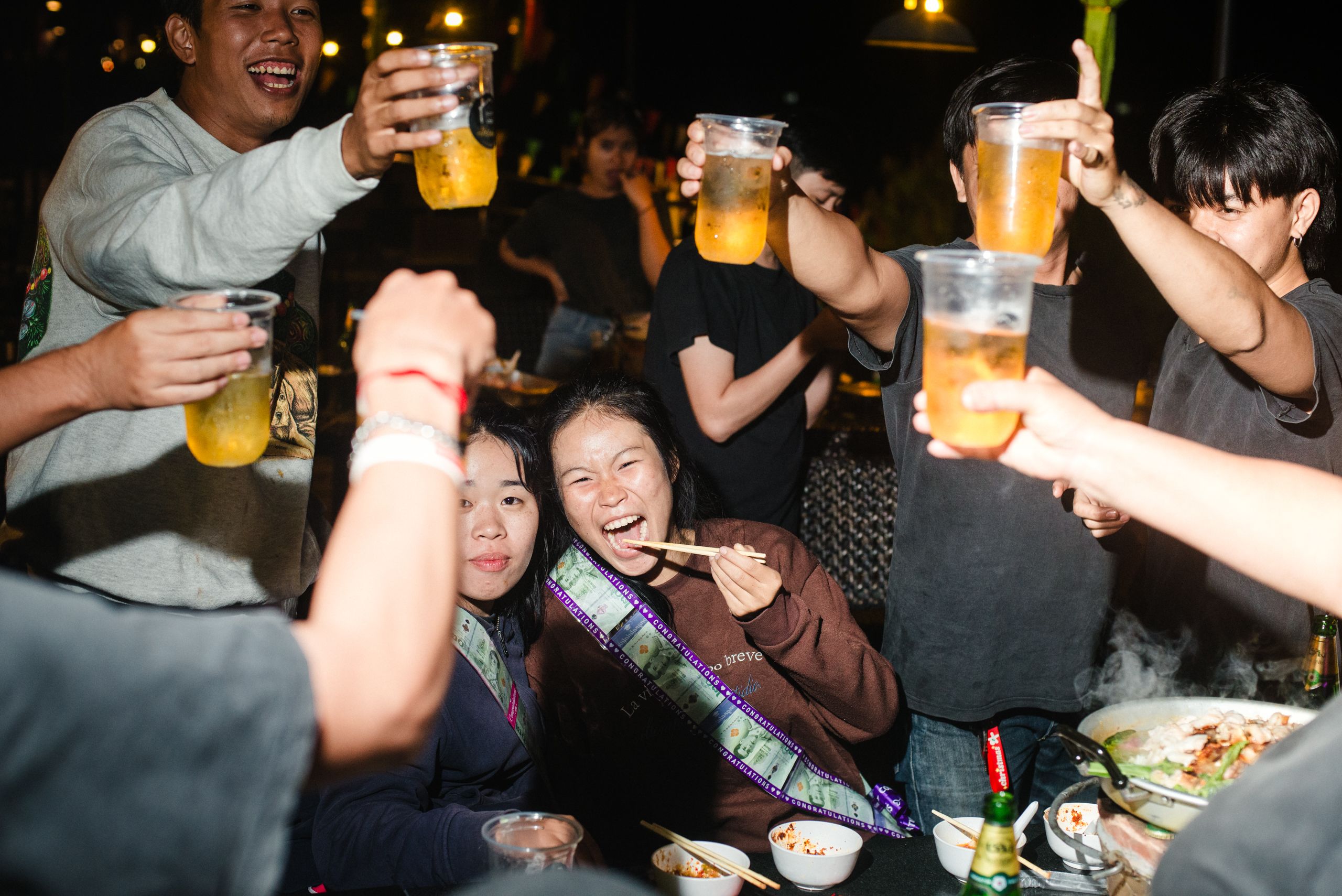
Amid the revelry, K-Lin asks how many of her employees have taken up loans, or are servicing debt. Several hands shoot up.
She then announces a savings scheme that will allow staff to earn interest if they choose to withdraw their pay at a later date. It’s an initiative she hopes will inculcate financial literacy.
Her work in transforming lives doesn’t happen overnight, though.
"Running a restaurant already involves many moving parts. But the job is even more challenging given the fact that we hire people with zero education and experience, to give them a chance to secure a better future," she says.
But she’s all for celebrating the victories.
"Focusing on the positives — the lives we have changed, the small and big successes — gives me the courage and encouragement to keep going. One more day, one more hour, one more round of service."

Credits
Writer, Photographer & Content Designer / Samuel He
Producer / Tan Pei Lin
Additional Photo / K-Lin Lim
Executive Producers / Chris Annadorai & Cara Yap
 Built with Shorthand